Water Milfoil Removal Options For A Clearer Pond

Homeowners with pond or lakefront property often struggle with aggressive aquatic plants that overtake native species. Milfoil is a common culprit. It forms dense mats on the water surface, which make swimming, fishing, and other recreational activities difficult.
Understanding effective milfoil removal options can help restore the natural beauty and health of your shoreline.
Manual Removal Techniques for Immediate Results
Hand-pulling milfoil offers a quick solution for small infestations. Homeowners enter the water and carefully remove the plants, including the roots, to prevent regrowth. This method works best for newly established or limited patches and allows precise control over the areas treated. While it requires physical effort, hand removal is an effective spot-treatment strategy for managing milfoil.
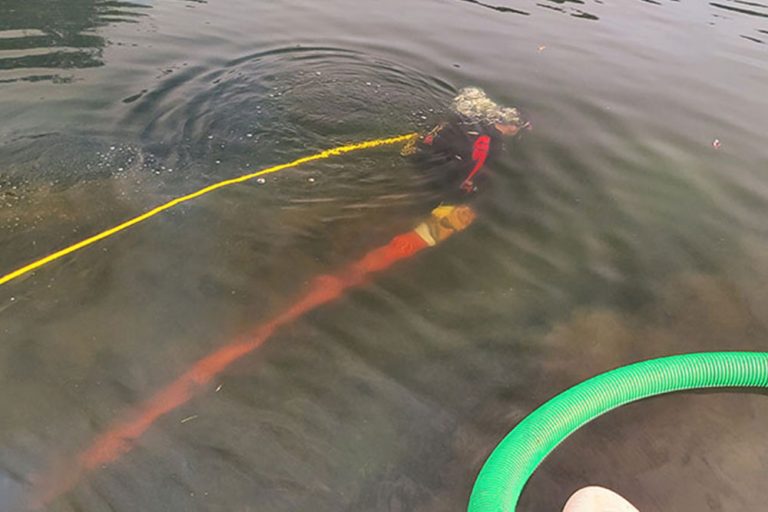
Suction Dredging to Eliminate Rooted Growth
Suction dredging is an effective method for milfoil removal. It completely removes the plants along with their root systems from the lakebed. A powerful vacuum system lifts the weeds and sediment, preventing future growth in the same area.
The removed material is collected in a containment bag for easy disposal. This process clears the water and leaves it free from debris. Suction dredging provides a targeted solution for heavily infested areas while minimizing impact on the surrounding ecosystem.
Hydro-Raking for Large-Scale Debris Removal
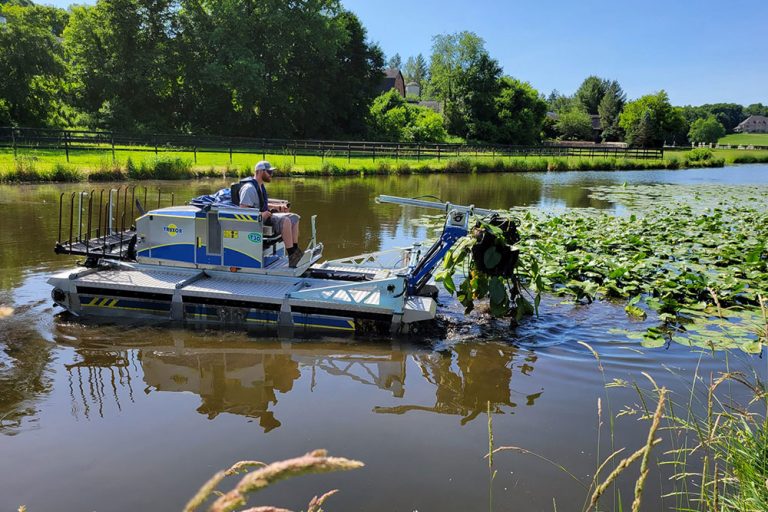
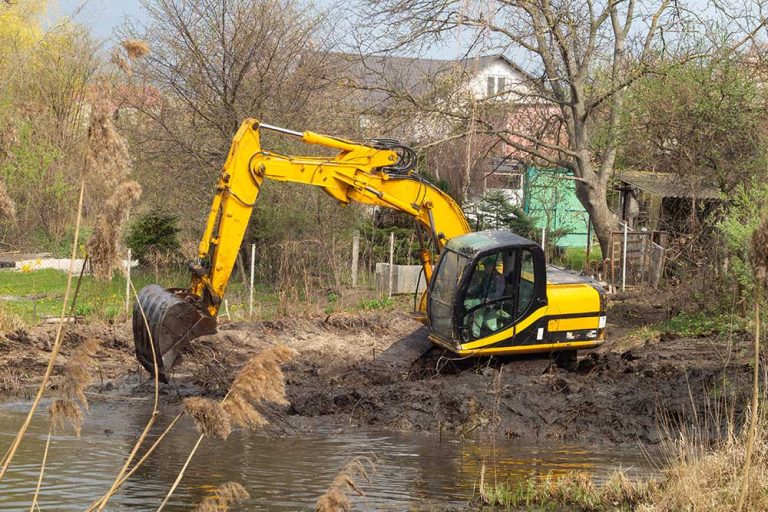
Hydro-raking uses a hydraulic rake attached to a barge or pontoon boat to clear milfoil, muck, and other organic debris from the lake bottom. This method works well for larger areas to remove years of accumulated plant material and sediment.
The rake lifts debris onto the barge for proper disposal. Hydro-raking immediately improves water clarity and enhances the visual appeal of the shoreline. It is a powerful option for controlling significant weed infestations and deep layers of organic buildup.
Herbicide Treatments for Effective Control
Herbicide treatments provide a quick way to control milfoil in larger bodies of water. EPA-approved chemicals are applied directly into the water by professional applicators. These chemicals target milfoil specifically while leaving most native plants unharmed.
The herbicides are absorbed by the plants, stopping their growth and allowing them to naturally decompose. This method works effectively in areas where other removal techniques cannot easily reach.
Biological Control Using Sterile Grass Carp
Sterile grass carp can be used for natural milfoil removal. These fish feed on aquatic vegetation but do not reproduce, preventing overpopulation.
As the carp consume the milfoil, they help maintain a balance by eating other unwanted plants. This approach provides a long-term, chemical-free solution for reducing milfoil growth without requiring constant mechanical intervention.
Bottom Barriers to Prevent Regrowth
Bottom barriers are large sheets of fabric or plastic placed directly on the lakebed. They block sunlight from reaching milfoil plants, smothering existing weeds and preventing new growth in the same area.
The barriers can remain in place for one or more seasons, offering a long-term, non-chemical option for targeted locations. They are particularly useful near docks or swimming areas.
Aeration Systems to Improve Water Quality
Aeration systems enhance the overall health of ponds and lakes without directly removing milfoil. By introducing oxygen into the water, they support beneficial bacteria that break down organic matter, which otherwise serves as food for invasive weeds.
The increased oxygen levels also help maintain a balanced aquatic environment and support fish and other wildlife. Improved water circulation reduces the layering of warm and cool water, which can slow the growth of milfoil and other invasive plants. This proactive approach strengthens the ecosystem and makes conditions less favorable for future weed infestations while promoting long-term water quality.
Benthic Mats for Sustainable Suppression
Benthic mats offer a long-lasting, non-chemical solution for controlling milfoil. These mats physically block sunlight, preventing plant growth while allowing water to flow through freely. Once anchored to the lake bottom, they remain effective for multiple years, even in areas with persistent weed problems.
Benthic mats are particularly useful for targeted zones, such as swimming areas, docks, or coves, where controlling invasive plants is critical. Their durability and environmentally safe design make them a reliable tool for maintaining long-term control and supporting the overall health of the waterbody.
Dye Applications to Limit Sunlight Penetration
Aquatic-safe, non-toxic dyes create shaded areas in the water that limit sunlight reaching the lakebed. Milfoil and other aquatic weeds rely on sunlight for photosynthesis, so the dye naturally restricts their growth. This approach is most effective in deeper water, where a sufficient shade layer can form to suppress weed development.
Dye applications provide a simple, cost-effective solution for managing invasive plant growth across larger sections of a pond or lake. By reducing sunlight penetration, this method also complements other control strategies and helps maintain a clearer, healthier water body.
Mechanical Harvesting for Quick Cleanup
Mechanical harvesting employs specialized boats with cutting blades to remove milfoil from the water’s surface. This method provides an immediate, though temporary, solution for clearing large areas of dense weed growth.
Harvested plants are loaded onto the boat and taken ashore for disposal. This technique allows recreational areas to remain accessible during peak season and improves water clarity quickly.
Nutrient Reduction to Slow Spread
Controlling nutrients in the water plays a crucial role in slowing milfoil growth. Excess phosphorus and nitrogen act as fertilizer for these invasive weeds, encouraging rapid spread. Reducing nutrient inputs helps create an environment that is less hospitable for milfoil and other aquatic invasives.
Homeowners can implement shoreline buffers planted with native vegetation, use phosphorus-free fertilizers, and manage stormwater runoff to limit nutrient inflow. These practices not only slow weed growth but also improve overall water quality.
Taken together, they provide a long-term preventative approach that addresses the root causes of aggressive weed proliferation.
Seasonal Monitoring for Early Detection
Regular inspections of your pond or lake are essential for spotting new milfoil growth early. Detecting small infestations quickly allows for prompt removal before the weeds take hold and spread extensively. Seasonal monitoring can include visual surveys, shallow sampling, and noting changes in water clarity or plant density.
This proactive approach gives property owners the ability to act swiftly with minimal effort and cost. Consistent monitoring also helps maintain recreational access, protects native species, and reduces the need for large-scale weed removal later.
Professional Diver-Assisted Hand Pulling
Certified divers provide an effective option for milfoil removal in deeper water areas where manual shoreline removal is not feasible. Divers carefully extract the entire plant, including the root system, so that the weeds cannot regrow. Precision is key, as they avoid disturbing native vegetation while targeting only invasive species.
This method is highly effective for managing isolated or hard-to-reach infestations and offers a thorough, chemical-free solution. Diver-assisted hand pulling complements other control measures and can be integrated into a larger, long-term lake management strategy.
Integrated Management for Long-Term Success
Integrated management combines multiple methods to create a comprehensive strategy for milfoil removal. Plans may include manual removal, benthic mats, and aeration systems.
By tailoring the approach to the specific characteristics of a pond or lake, homeowners can achieve sustainable, long-term control of milfoil. This combination method produces the most effective results for maintaining a healthy aquatic environment.
Schedule a Consultation with New England Aquatic Services
Are you tired of invasive weeds and murky waters ruining your shoreline enjoyment? Contact our experts at New England Aquatic Services today to learn how our pond hydraulic dredging services can permanently restore your waterfront property. We provide customized solutions that address the specific needs of your pond or lake.
Our team also offers top-tier suction dredging for weed removal experts in New England to help you achieve a cleaner, healthier aquatic environment.
Call us to schedule your on-site assessment and reclaim your shoreline.