The Ultimate Guide To Pond Restoration
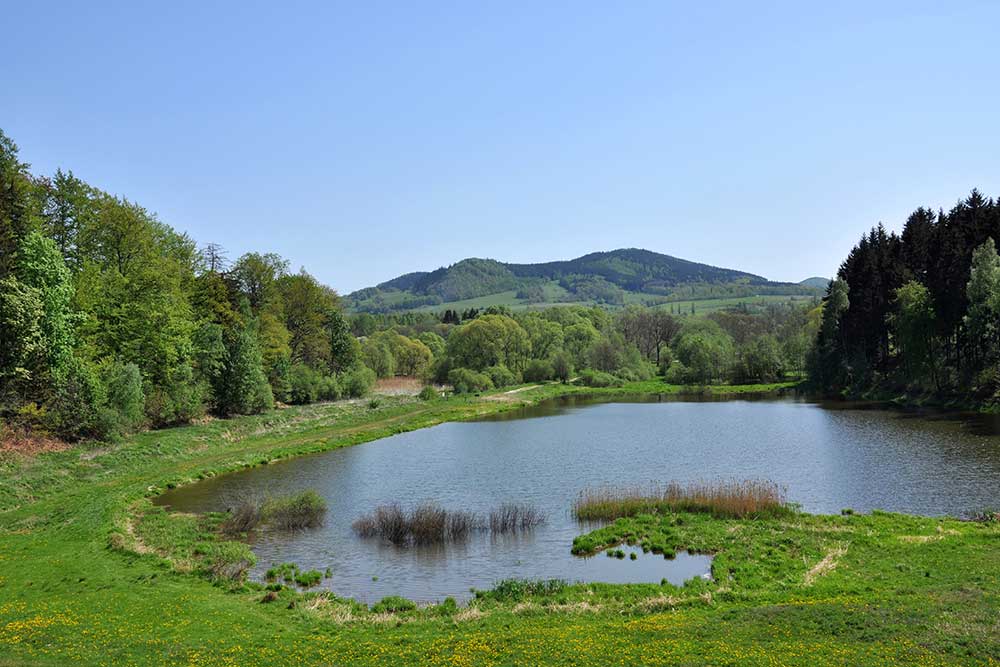
Pond restoration is a key component of maintaining the health and appearance of any water body. Over time, ponds naturally accumulate debris, sediment, and unwanted vegetation, which can disrupt aquatic life and diminish overall water quality. Applying appropriate restoration techniques helps return a pond to its vibrant, natural state while supporting long-term ecological balance.
Understanding Pond Restoration
Restoration involves a range of techniques designed to improve both the water quality and the broader ecological health of a pond.
Organic buildup and pollutants can degrade conditions over time and create an environment that no longer supports aquatic life effectively. Restoration efforts aim to reestablish a stable and thrive ecosystem where native plants and animals can flourish.
The process typically begins with a comprehensive evaluation of the pond’s condition. Factors such as water chemistry, vegetation coverage, and overall biological health are carefully assessed. Based on this information, specialists may recommend dredging, targeted vegetation removal, or the introduction of beneficial plant species.
Effective pond and lake management relies on a thorough understanding of the relationships between aquatic life, water chemistry, and environmental conditions. Gradual, sustainable restoration helps protect wildlife while gradually restoring the pond’s original function and beauty.
Common Pond Problems
Several issues can interfere with a pond’s natural balance. One frequent concern is the accumulation of sediment and organic matter, which reduces depth and hinders water movement. Stagnant water often leads to oxygen depletion, which can be harmful to fish and other aquatic organisms.
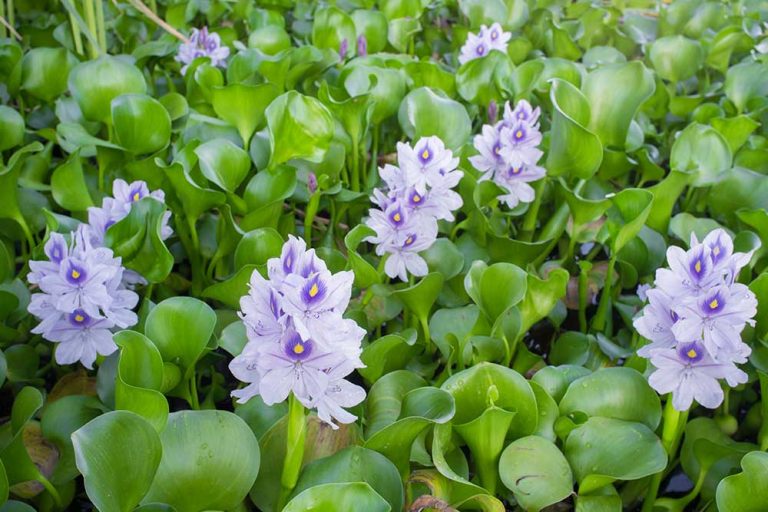
Another challenge is the overgrowth of aquatic vegetation. While a certain level of plant life is beneficial, excessive growth can block sunlight and reduce oxygen levels. Invasive species such as algae or non-native plants can also disrupt the balance by crowding out native species and altering the pond’s ecosystem.
Pollution is another contributing factor. Runoff from nearby landscapes may introduce harmful substances like fertilizers, pesticides, or heavy metals. These contaminants affect both water quality and the overall health of the pond, sometimes with long-term consequences.
Techniques for Pond Restoration
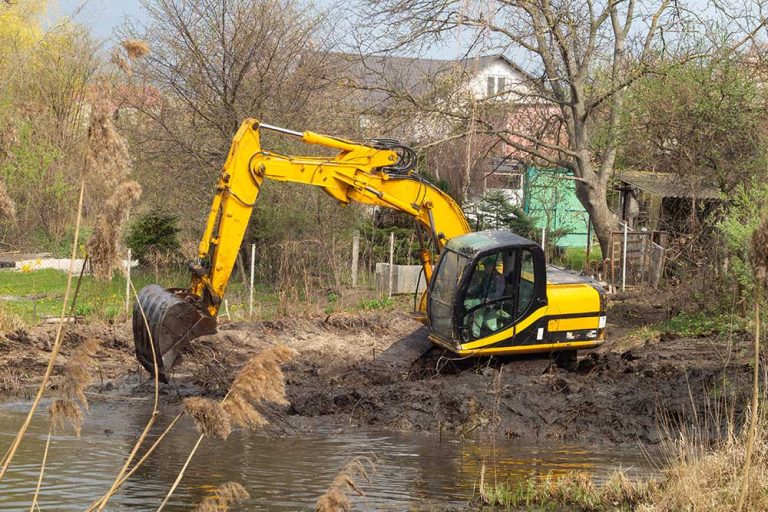
Pond restoration involves several methods, each targeting a specific problem. Dredging is one of the most common techniques used to remove sediment and organic material from the pond’s bottom. This process helps to restore depth, improve water quality, and enhance circulation.
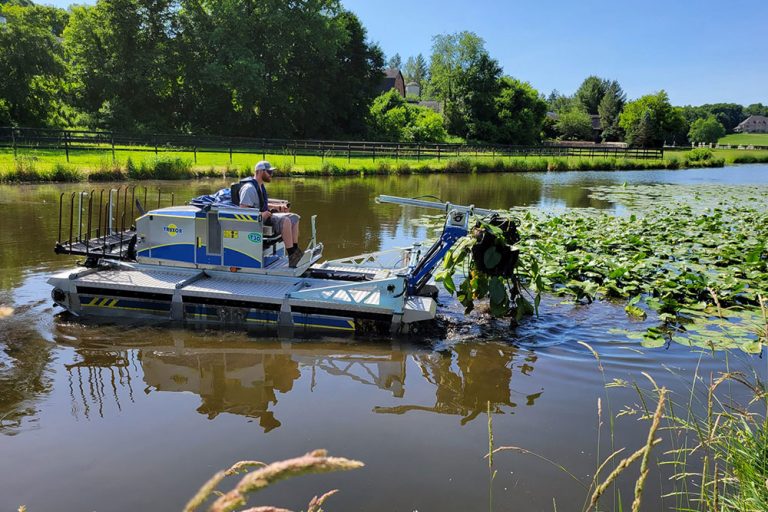
Another key technique is mechanical harvesting, which is used to remove excess aquatic vegetation. By controlling the growth of invasive plants, mechanical harvesting helps maintain a healthy balance of plant life in the pond. This method also prevents the spread of non-native species that can damage the ecosystem.
Hydro-raking is another technique used to remove debris and unwanted vegetation from the pond. This process involves using a machine to rake the bottom of the pond, collecting plant material, algae, and other debris. Hydro-raking is particularly effective in ponds with large areas of unwanted vegetation or excessive nutrient buildup.
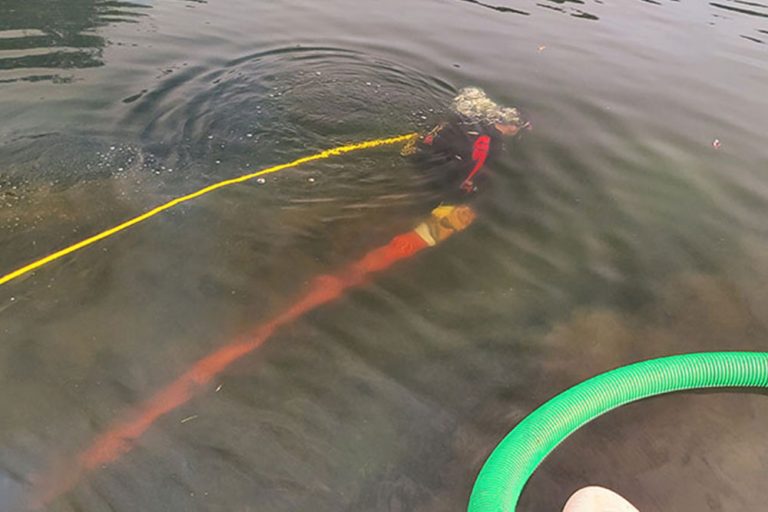
Diver-assisted suction harvesting is a more advanced technique where divers use suction devices to remove aquatic plants and debris from the pond’s bottom.
Importance of Water Quality in Pond Restoration
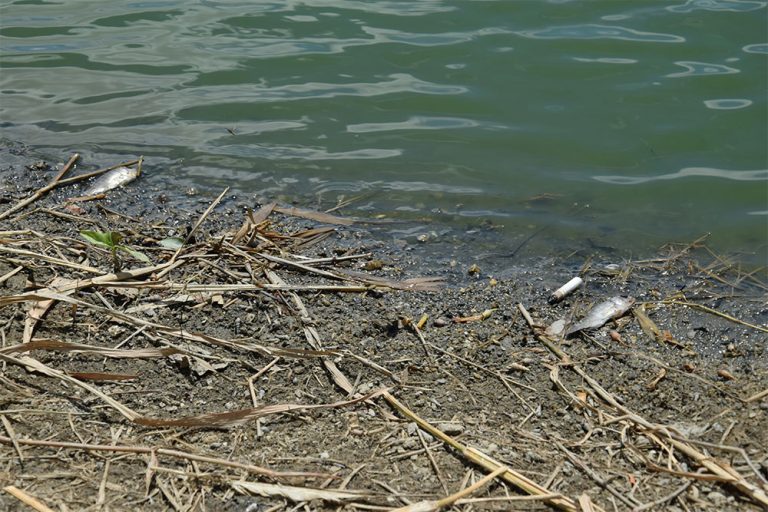
Water quality plays a vital role in any pond and lake management program. Poor water conditions can cause fish die-offs, algae blooms, and the spread of disease. Clear, oxygen-rich water supports the development of a healthy aquatic ecosystem and helps maintain biodiversity.
Routine water testing can reveal issues such as nutrient imbalances, low oxygen levels, or contamination. Solutions may include aeration, the addition of beneficial bacteria, or treatments that adjust pH and nutrient levels.
Invasive algae are particularly important to monitor. Left unchecked, algae blooms reduce oxygen and limit light penetration, which affects plant growth and fish populations. Ongoing control of algae and similar threats is necessary for a healthy, balanced ecosystem.
The Role of Vegetation in Pond Restoration
Aquatic vegetation plays a central role in a successful pond and lake management strategy. Native plants help maintain shoreline stability, support fish habitats, and filter excess nutrients. Restoring natural vegetation enhances biodiversity while improving both the appearance and function of the pond.
In cases where invasive species dominate, plant removal may be necessary. Mechanical harvesting and suction harvesting can selectively eliminate problem vegetation without disturbing beneficial plants. Afterward, reintroducing native species helps promote a healthier, more resilient environment.
Strategic planting along the pond’s edges can also create a natural buffer that filters runoff and reduces sediment entry. This approach supports water quality and helps protect aquatic life from fluctuations in nutrient levels.
The Benefits of Professional Pond Restoration Services
Although some maintenance tasks can be handled independently, professional pond restoration services a level of expertise and access to specialized equipment that leads to more effective and lasting results. Qualified professionals begin with a thorough evaluation to assess the pond’s condition. They identify specific issues and apply targeted solutions using methods such as dredging, hydro-raking, or invasive vegetation control.
These experts also understand environmental regulations and follow best practices to minimize ecological disruption. Their experience helps avoid common mistakes that could harm aquatic life or worsen existing problems over time.
Professionals are equipped to handle complex challenges, including sediment analysis, nutrient management, and the removal of harmful algae or invasive plant species. Their services are especially valuable for larger ponds or those experiencing recurring issues.
Ongoing support is another key advantage. Many providers offer follow-up monitoring, seasonal maintenance, and tailored care plans to support the pond’s long-term health. This ongoing attention helps preserve both beauty and function.
Relying on professional assistance saves time, reduces guesswork, and provides peace of mind. It allows pond owners to focus on enjoying their water features, knowing they are being cared for responsibly and efficiently.
Long-Term Maintenance after Restoration
Following a successful restoration, it is important to adopt a long-term maintenance plan to keep the pond in optimal condition. Ongoing care such as monitoring water quality, managing plant growth, and addressing invasive species plays a vital role in protecting the overall health of the ecosystem.
Routine tasks, including clearing away fallen leaves and other debris, help prevent the accumulation of organic material that often leads to sediment buildup. The use of aeration systems can also support oxygen levels in the water, which contributes to a more balanced aquatic environment.
Monitoring water levels is another important aspect of regular maintenance. Fluctuations caused by drought or heavy rainfall can impact both plant and animal life, and timely adjustments may be required to maintain ecological stability. A thoughtful maintenance plan can support the pond’s long-term vitality and create lasting benefits for its surrounding habitat.
The Future of Pond Restoration
Pond restoration is not a one-time event, but an ongoing responsibility that calls for careful attention and adaptability. As environmental conditions evolve, so too must the methods used to protect and support freshwater ecosystems. Continued advancements in restoration tools and strategies help make these efforts more effective and sustainable.
Looking ahead, the future of pond restoration will likely rely on environmentally conscious practices that support both biodiversity and water quality. As more pond owners become aware of the ecological value of these spaces, professional services are expected to play an even greater role in helping to maintain healthy and vibrant ponds.
Remaining informed and proactive allows pond owners to better respond to changing conditions while preserving the beauty, balance, and functionality of their water features for years to come.
Get Expert Pond Restoration Services in Connecticut
If you are looking for professional pond restoration services in Connecticut, New England Aquatic Services is here to help. With over 15 years of experience in pond and lake management, we offer a full range of services designed to restore and maintain the health of your pond.
If you are in need of dredging, hydro-raking, or vegetation management services, our team of experts uses environmentally friendly methods leading to the long-term health of your water body.
Contact us today for expert advice and pond restoration services. Let New England Aquatic Services help you restore your pond to its natural beauty.