8 Ways For Effective Water Hyacinth Control
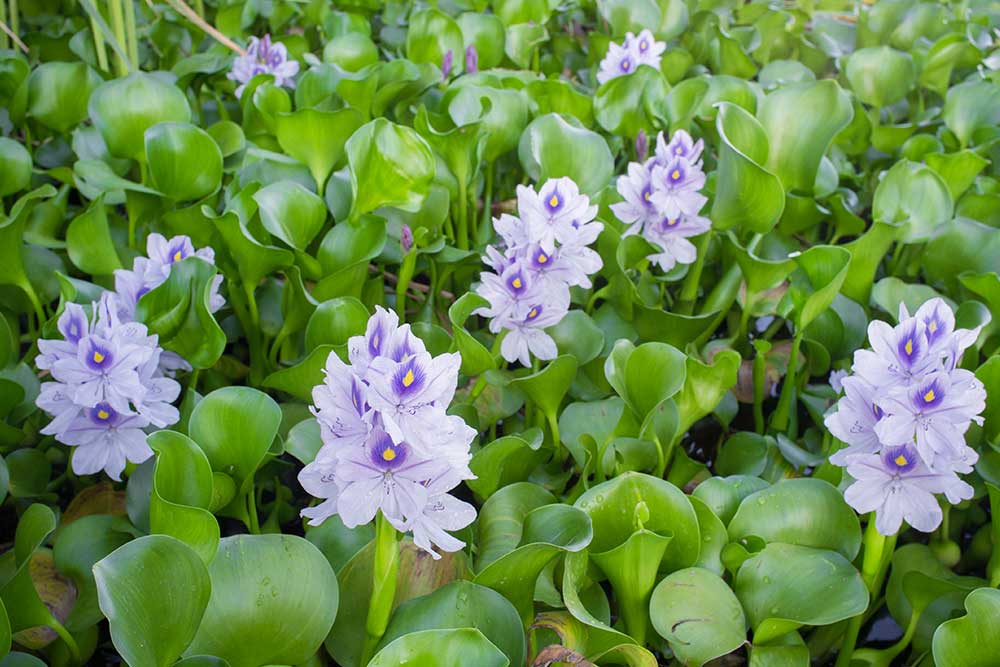
If thick mats of water hyacinth have begun to cover your pond or lake, you are not alone. This invasive aquatic plant ranks among the fastest-growing weeds in the world, capable of doubling its population in as little as two weeks under optimal conditions.
While its glossy green leaves and striking purple flowers may seem attractive at first, water hyacinth quickly disrupts the natural balance of any waterway. It blocks sunlight, reduces oxygen levels, and competes with native vegetation, ultimately harming fish and other aquatic life.
For pond owners and managers, effective water hyacinth control is critical for maintaining a healthy, functional ecosystem rather than just improving appearance.
At New England Aquatic Services, we’ve seen firsthand how aggressive water hyacinth can be, and we work with our clients to manage it using practical and environmentally conscious solutions. Below, we’ll explore eight ways to approach water hyacinth control, from short-term fixes to long-term management strategies.
Mechanical Removal
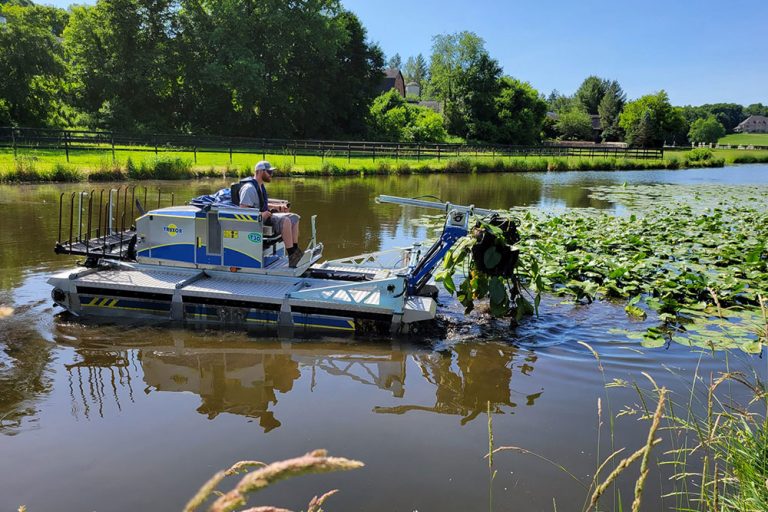
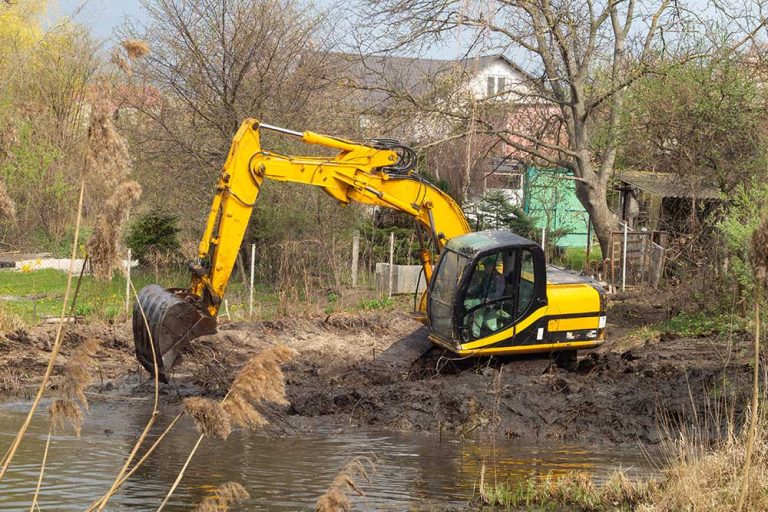
One of the most common approaches to water hyacinth control is mechanical removal. This approach involves physically taking plants out of the water using tools such as nets, rakes, or specialized harvesting machines.
Manual removal works well in small ponds or along shorelines, providing immediate relief from surface mats. However, water hyacinth’s rapid growth often requires repeated interventions throughout the season to maintain open water.
For larger infestations, aquatic harvesters cut and collect floating plants efficiently, opening up the water surface and improving recreational access. While this method delivers fast results, it does not completely eliminate water hyacinth since even a few remaining plants can regrow quickly. Mechanical removal remains a crucial first step in comprehensive water hyacinth control, especially when combined with additional management techniques.
Chemical Treatment
When infestations are too widespread for mechanical methods alone, aquatic-approved herbicides can be a useful component of water hyacinth control. These chemicals, including glyphosate-based and 2,4-D formulations, are applied directly to the leaves and translocated throughout the plant. Licensed professionals can target water hyacinth effectively while minimizing impacts on most fish and wildlife.
Herbicide treatments are particularly valuable for large ponds or lakes that are difficult to manage manually. Careful application is essential to avoid oxygen depletion caused by decomposing plant material. Herbicides are most effective when integrated into a larger water hyacinth management plan that combines physical, biological, and environmental strategies.
Biological Control
Another promising method for water hyacinth control is biological management, which uses natural enemies of the plant to slow its growth. Certain species of weevils and moths, for example, feed on water hyacinth leaves and stems, weakening the plant and limiting its ability to spread. This method is particularly appealing because it works with natural processes rather than against them.
However, biological control is not an overnight solution. It takes time for populations of these insects to establish and make an impact, and they may not completely eradicate water hyacinth on their own. That’s why biological methods are often used in combination with mechanical or chemical treatments as part of an integrated management plan.
Still, when carefully implemented, biological control offers a sustainable way to keep growth in check while reducing reliance on herbicides.
Water Level Management
Managing water levels in a pond or lake can be an effective method for controlling water hyacinth. This invasive plant grows most aggressively in shallow, still water. Temporarily lowering water levels can expose roots and submerged portions to air, causing the plants to dry out and die.
Seasonal drawdowns are particularly effective in controlled water bodies, such as reservoirs or managed ponds, where water levels can be adjusted without disrupting the overall ecosystem.
While this approach can significantly reduce water hyacinth coverage, it is not suitable for every situation. Natural lakes and ponds with limited water control infrastructure may not allow for drawdowns, and sudden changes in water levels can stress fish, amphibians, and other aquatic species.
Careful planning and monitoring are essential to minimize negative impacts on wildlife while achieving effective water hyacinth control. Additionally, combining water level management with mechanical or biological methods can create a more comprehensive strategy that maintains long-term ecosystem balance.
Shading and Barriers
Water hyacinth depends heavily on sunlight to grow, which means shading strategies can be effective in certain situations. Floating covers, dyes that block light penetration, or physical barriers that prevent plants from drifting into key areas can all reduce growth. Pond dyes in particular are often used to cut down sunlight penetration without harming fish, giving native plants a better chance to compete.
Physical barriers, such as floating booms, nets, or strategically placed fencing, help contain infestations and prevent water hyacinth from spreading to other sections of a lake or pond.
While these methods do not completely eradicate water hyacinth, they play a critical role in limiting its growth. They also help protect high-use areas such as swimming zones or boat launches. Additionally, these strategies support broader water hyacinth control efforts, contributing to long-term management and healthier pond or lake ecosystems.
Long-Term Management Plans
Effective water hyacinth control requires more than a single intervention, as this invasive plant grows and spreads rapidly, making ongoing management essential. Developing a long-term plan that integrates multiple control strategies often produces the best results.
For instance, a property owner might begin with mechanical removal to clear dense mats from the water surface, follow with targeted herbicide applications to treat remaining infestations, and then implement biological controls to limit regrowth and maintain ecological balance.
Regular monitoring, seasonal maintenance, and adjustments based on water conditions help sustain long-term success and prevent reinfestation.
Community and Regulatory Considerations
Managing water hyacinth also requires awareness of broader environmental and legal responsibilities. The plant spreads easily through floating seeds and fragments, which means infestations can move between connected ponds, lakes, and waterways.
In many states, water hyacinth is classified as a noxious weed, and specific rules govern how it can be controlled or disposed of. Ignoring these regulations may allow the infestation to persist and could lead to fines or legal penalties. Coordinating with local authorities and neighboring property owners helps contain the spread and supports effective water hyacinth control across the community.
Preventing Reinfestation
Even after a successful removal, water hyacinth can return quickly if preventive measures are not implemented. Dormant seeds may float back into the water months later, and nearby infestations can drift into your pond or lake. Prevention is as critical as removal for maintaining a healthy, clear waterway.
Effective strategies include regular monitoring to detect early regrowth, installing physical barriers at inlets and outlets to block drifting plants, and scheduling seasonal maintenance to manage any new growth before it becomes a problem.
Educating property owners, boaters, and recreational users about the risks of transporting invasive plants on equipment and watercraft also plays a major role in reducing reinfestation and supporting long-term water hyacinth control. Regular vigilance and coordinated community action help keep waterways balanced and enjoyable year-round.
Taking the Next Step
Water hyacinth may be one of the most invasive aquatic plants, but with the right strategies, it can be managed effectively. From mechanical and chemical approaches to biological and environmental methods, there are multiple tools available to address infestations of any size. The key is understanding that long-term success often comes from combining methods rather than relying on just one.
If you’re struggling with water hyacinth in your pond or lake, we’re here to help. At New England Aquatic Services, we bring years of experience and proven techniques to every project. Contact us today to learn more about our water hyacinth control solutions and take the first step toward a healthier, clearer waterway.