What Does Lake Maintenance Involve?

Lake maintenance plays an important role in keeping water clean, safe, and visually appealing. It combines science, mechanical tools, and local expertise to manage a wide range of challenges. From invasive weeds to sediment buildup, every lake requires different attention. The process often starts with a detailed assessment before moving into routine or large-scale treatments. Lake maintenance is ongoing and should be adjusted with the seasons and local water conditions.
Removing Invasive Aquatic Plants
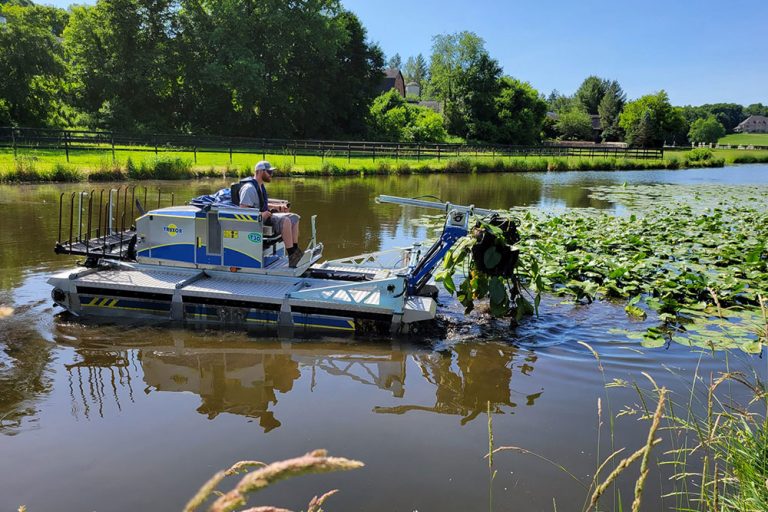
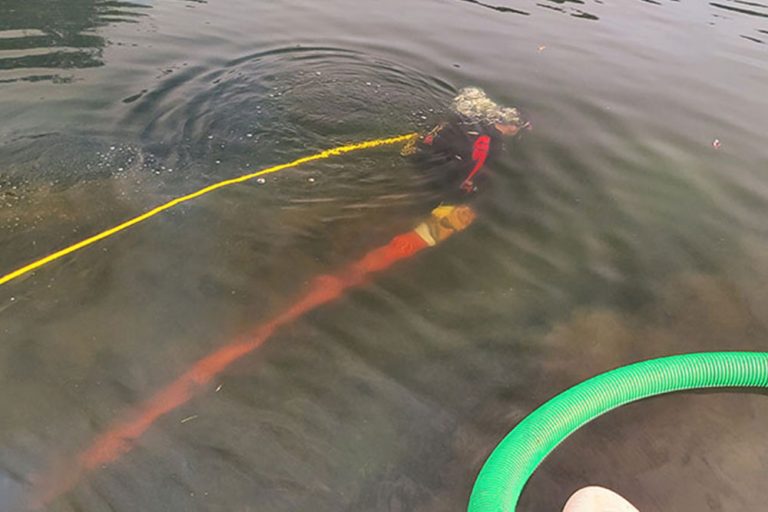
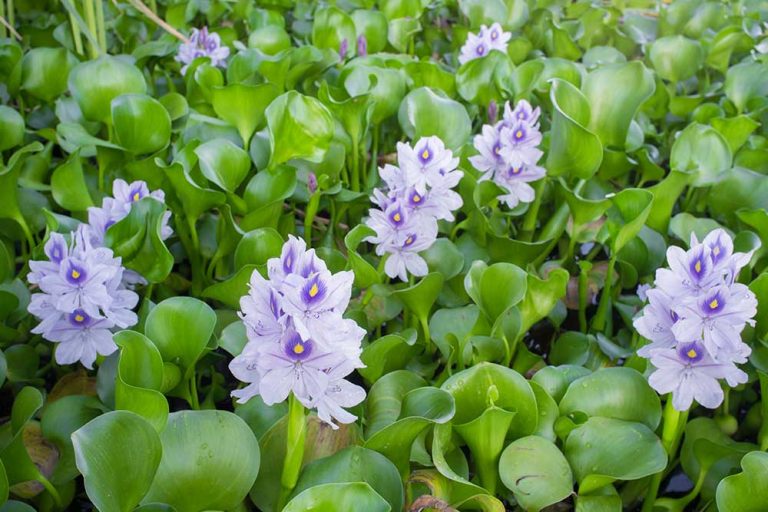
Invasive plant species can quickly take over a lake and throw off its natural balance. Left untreated, these weeds crowd out native plants and block sunlight from reaching underwater life. Diver Assisted Suction Harvesting (DASH) is a preferred method for targeted removal. Trained divers use hand tools and suction hoses to pull plants out by their roots without stirring up sediment. This helps keep water clear and reduces the chance of regrowth. For larger areas, mechanical harvesters are used to cut and collect the overgrowth more efficiently.
Managing Sediment Buildup
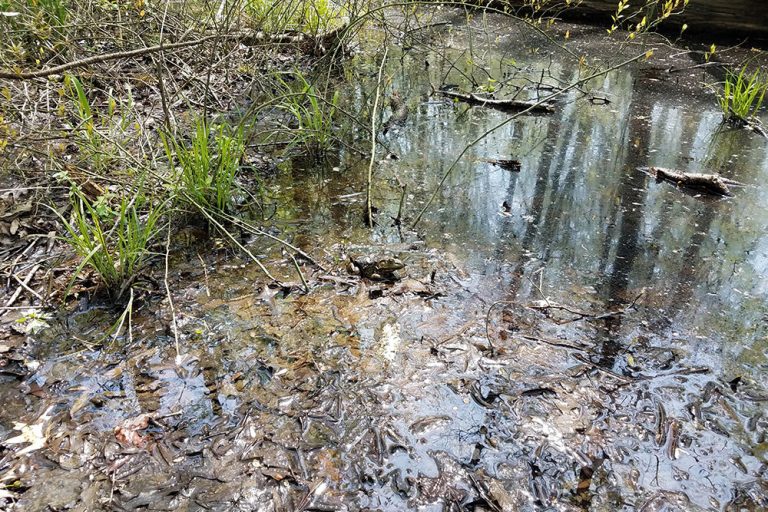
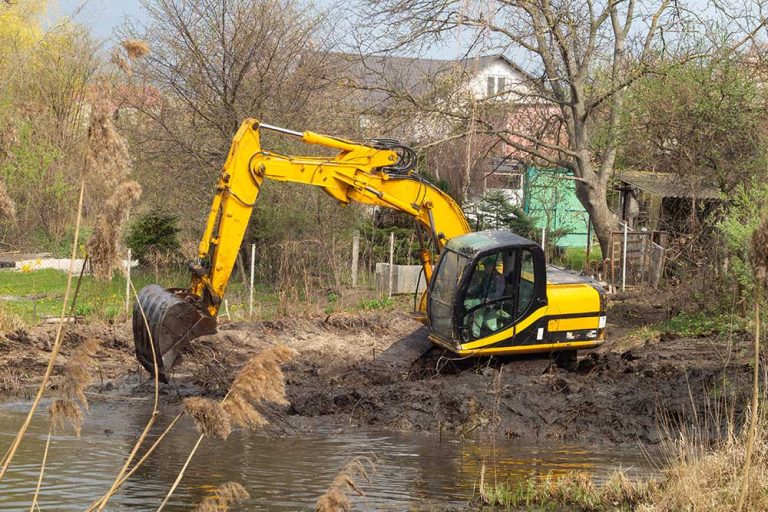
Sediment naturally settles at the bottom of lakes over time. This can make the water shallower, increase nutrient levels, and promote algae blooms. Hydraulic dredging is a common solution that uses suction technology to remove this built-up material. The process helps restore depth and improve water flow. For smaller jobs or areas with tight access, hydro-raking may be used. This method involves dragging a rake attachment to scoop out soft sediment, decaying plants, and debris.
Controlling Algae and Nutrients
High levels of nutrients like phosphorus can feed algae growth, especially during warmer months. Algae blooms reduce oxygen in the water and make it unsafe for recreation. One way to manage this is by using phosphate control products. These bind to excess nutrients and keep them from circulating. Aeration also helps by increasing oxygen levels in the water. Floating aerators or bottom-diffused systems create movement, which breaks up stagnant zones.
Installing Weed Control Barriers
Some areas in a lake may need extra help controlling weed growth. Weed mats, also called benthic barriers, are installed on the lake bottom to block sunlight. These barriers prevent plant growth by cutting off the light source that weeds need to survive. They are often used around docks, swim areas, or other high-traffic zones. Materials like LakeMat or Lake Bottom Blanket are popular options. The installation is straightforward and can be adjusted or removed as needed.
Maintaining Equipment and Structures
Lake maintenance also involves looking after the tools that help keep the water clean. Aerators, fountains, and de-icers all require regular servicing. These devices help with oxygen levels, circulation, and ice prevention during colder months. Without maintenance, they can clog, stop working, or even harm water quality. Cleaning filters, checking motors, and adjusting placements are part of routine upkeep. Keeping this equipment in top shape helps the entire lake management plan run smoothly.
Supporting Fish and Wildlife Habitats
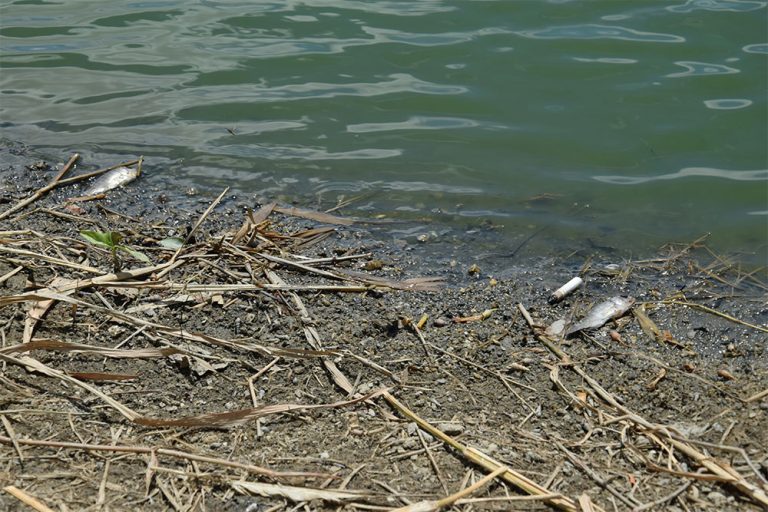
A healthy lake supports a balanced mix of plants, fish, and other wildlife. But too much muck, algae, or weed growth can threaten that balance. Sediment buildup reduces spawning areas, while low oxygen harms fish populations. Part of lake maintenance includes creating better conditions for wildlife to thrive. Aeration helps by improving oxygen circulation. Dredging and hydro-raking clear space for habitats to recover. In some cases, native plants are introduced along the shoreline to reduce erosion and attract beneficial species.
Addressing Shoreline Erosion
Shoreline erosion is another concern in lake maintenance. It slowly wears away the land and carries sediment into the water. This affects water clarity and reduces the lake’s depth over time. Stabilizing the shoreline often involves planting native vegetation. These plants hold the soil in place with their roots. In areas with heavier damage, natural barriers like coir logs or rock reinforcements may be used. These features absorb wave impact and prevent further erosion. Each shoreline is different, so the right method depends on slope, wave action, and nearby land use.
Restoring Aesthetic Appeal
Beyond environmental needs, lake maintenance also supports visual appeal. Floating debris, algae scum, and murky water can make lakes look neglected. Mechanical harvesting helps remove surface weeds and floating vegetation. Tools like the Aqua Sweep can clear away leaves and floating matter. Fountains add movement and bring an attractive feature to the landscape. For private lakes, golf courses, or parks, appearance matters just as much as function. Clean, clear water encourages more visitors, better usage, and stronger community pride.
Seasonal Adjustments in Lake Maintenance
Lakes respond to changing seasons. Spring and summer often call for plant removal and algae control. Fall is a good time to remove decaying vegetation before it sinks and adds to the sediment. Winter maintenance may include using de-icers to prevent ice damage. Aeration systems are monitored year-round to keep circulation steady. Planning services around the seasonal cycle helps keep a lake stable throughout the year. Timing can also reduce the need for emergency treatment.
Why Ongoing Maintenance Matters
Lake maintenance is not a one-time job. Without regular care, issues tend to return or worsen. Algae can rebound. Sediment will build again. Invasive weeds will spread. A proactive approach saves money and avoids major repairs down the line. Regular checkups, water testing, and small adjustments help keep larger issues from developing. Every lake has different needs, but all benefit from consistency and experience.
How We Help at New England Aquatic Services
At New England Aquatic Services, we bring over 15 years of hands-on experience to every project. Our team focuses on mechanical and environmentally sound methods that work with the natural ecosystem. We specialize in lake dredging, hydro-raking, DASH, and seasonal treatments that restore both appearance and function.
When we visit a lake, we assess what’s working and what’s not. Some sites need sediment removal. Others need weed control or better circulation. We use equipment like hydraulic dredges, mechanical harvesters, and diffused aeration to get real results. Our approach is guided by science and backed by proven tools. We also offer products like aerators, weed mats, and phosphate control to support long-term care.
Choose Smart, Long-Term Care for Your Lake
Lake maintenance protects water quality, wildlife, and your overall investment. If you’re dealing with weeds, murky water, or shallow depths, it may be time for a professional assessment. At New England Aquatic Services, we’re here to help with tailored solutions and reliable service.
Contact us today to schedule a site visit and explore the right maintenance plan for your lake.