7 Types Of Dredging Methods For Pond Management
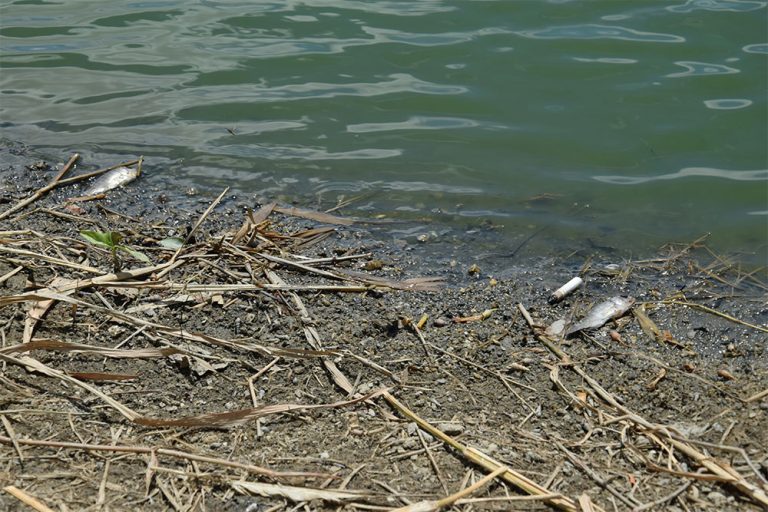
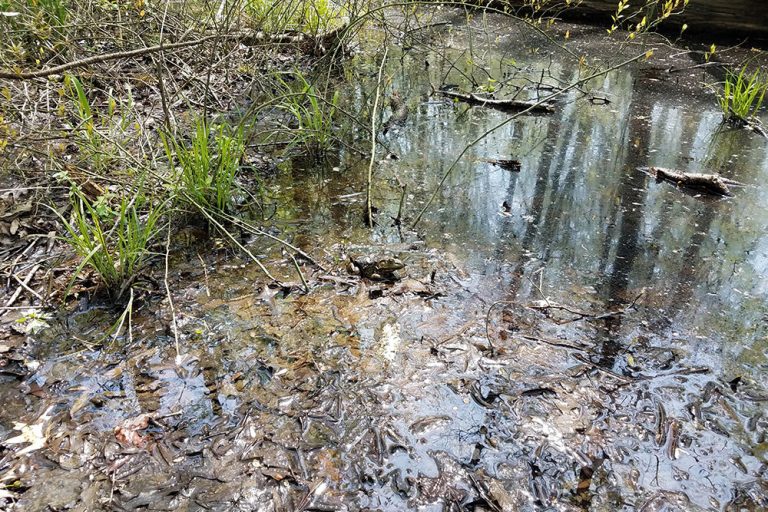
Proper pond management involves a range of strategies to support water quality, control vegetation, and reduce sediment buildup. Among these, dredging remains one of the most effective techniques for removing accumulated material from the pond bottom.
Learning about the different types of dredging methods can help pond owners select the right approach to restore and maintain a balanced aquatic environment.
Hydraulic Dredging
Hydraulic dredging is one of the most efficient methods for removing sediment and debris from the bottom of a pond. This technique uses water pressure to create suction, which draws sediment through a pipe and deposits it at a designated location.
Hydraulic dredgers are especially effective when dealing with fine sediments and can transport material over long distances. They are ideal for larger ponds or areas with limited access.
This method works by utilizing a centrifugal pump that generates suction, pulling sediment into a pipe. The material is then moved through the pipe and discharged where needed. Hydraulic dredging is often preferred when dealing with soft sediments like mud, silt, and clay, making it a popular choice for many aquatic management services.
The versatility of hydraulic dredging also allows it to be used in deeper ponds or lakes where other methods may struggle. It can be a highly effective solution for large-scale sediment removal projects, offering both efficiency and precision in the removal process.
Mechanical Dredging
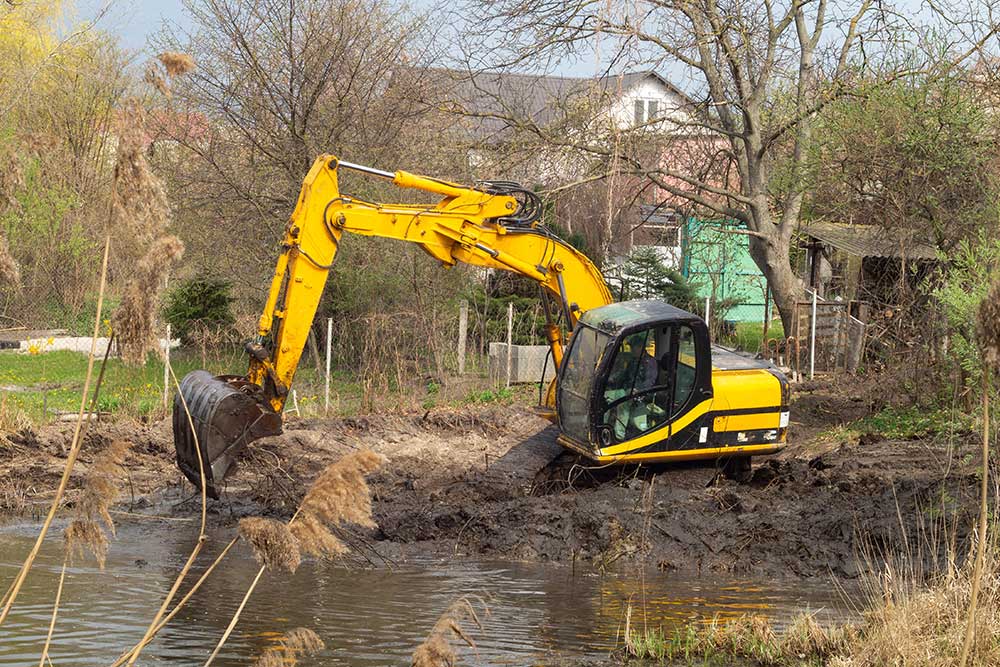
Mechanical dredging involves the use of heavy equipment, such as bucket dredgers or grab dredgers, to physically scoop sediment from the pond bed.
This technique is often used when hydraulic dredging is not suitable due to the material’s density or the need for more precise removal. Mechanical dredging is perfect for clearing large chunks of debris, including rocks, tree stumps, or compacted material that cannot be easily sucked up.
Bucket dredgers use large buckets to scoop material from the bottom of the pond, transporting it to the surface for disposal. These dredgers are often mounted on cranes or barges to move across the pond. Unlike hydraulic dredging, mechanical methods are more suited for ponds with deeper sediments or solid material.
One of the main benefits of mechanical dredging is its ability to work in shallow areas where hydraulic systems may struggle. It is also highly effective when working with materials that are difficult to remove. This method allows for precise excavation while helping to avoid significant disruption to the pond’s ecosystem.
Cutter Suction Dredging
Cutter suction dredging is a specialized hydraulic dredging method that includes a rotating cutter head attached to the suction pipe. This cutter head helps loosen compacted sediments and allows the suction system to remove even the toughest material from the pond bed. Cutter suction dredgers are particularly effective in areas where sediment is dense or where there are layers of hard material such as clay or rock.
This method combines the power of hydraulic suction with the mechanical action of cutting through hard sediments. The rotating cutter loosens sediment, while the suction pump draws it up and transports it to a disposal area. Cutter suction dredging is widely used in large-scale pond management projects, especially in environments where other methods might fail to remove tough sediments.
Another advantage of cutter suction dredging is its ability to operate in deeper areas – ideal for ponds with significant sediment buildup. Its efficiency in challenging conditions guarantees that the pond’s ecosystem can be restored without extensive disruption to the surrounding environment.
Jet-Lift Dredging
Jet-lift dredging uses high-pressure water jets to loosen sediment from the bottom of a pond.
Once disturbed, the material is lifted through suction into a discharge pipe for removal. This method is particularly effective when dealing with fine substances such as silt, clay, and organic debris. Strategically placed water jets allow for targeted sediment disturbance, which helps increase efficiency.
A key advantage of jet-lift dredging lies in its suitability for soft, lightweight materials. Because the jets mobilize sediment without requiring heavy machinery, this technique brings a gentle yet efficient solution for maintaining pond health. In areas where other dredging methods may face limitations, jet-lift dredging often performs well.
This method is especially useful for smaller ponds or zones where fine sediment must be removed to support water clarity and ecological balance. Its cost-effectiveness and low-impact approach make it a valuable tool for managing excessive organic buildup and restoring the natural function of aquatic environments.
Hydro-Raking
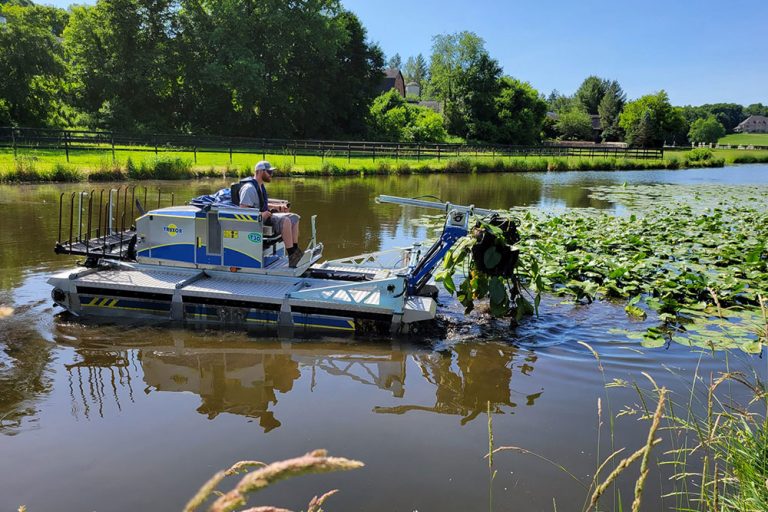
Hydro-raking involves the use of a specialized boat outfitted with a mechanical rake designed to collect sediment and aquatic vegetation. As the rake combs through the pond bed, it dislodges material and removes it from the water. This method is particularly effective for managing floating debris and invasive plant growth.
Its primary purpose is to clear overgrown aquatic vegetation that tends to accumulate in shallow areas or along the pond’s edge. The adjustable rake allows operators to target a range of depths and areas. This makes it a versatile tool for managing surface-level issues and promoting open water.
While hydro-raking is not intended for deep sediment removal, it excels in managing organic buildup and promoting better water circulation. It is a preferred option for pond owners looking to maintain healthy plant levels and prevent excessive overgrowth.
Diver-Assisted Suction Harvesting
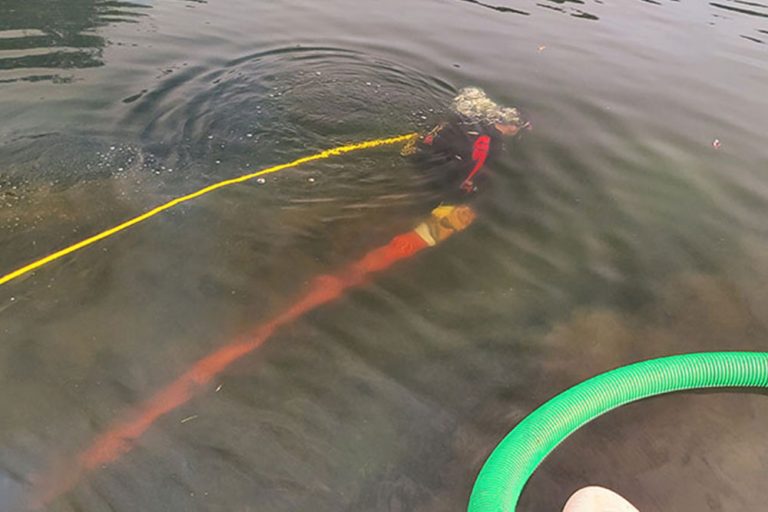
Diver-assisted suction harvesting involves trained divers using suction hoses to manually remove unwanted aquatic vegetation from the pond floor. This approach is especially effective in densely vegetated areas or locations that are difficult for machinery to access, such as around docks, steep banks, or irregularly shaped shorelines.
Divers can precisely target and extract invasive species without harming nearby beneficial plants or disturbing the surrounding habitat. This level of control makes the method ideal for sensitive ecosystems where maintaining ecological integrity is a priority. Once collected, the vegetation is transferred to the surface for proper disposal to help restore balance and reduce the risk of regrowth.
This method works well in confined spaces and shallow zones where mechanical equipment might be too disruptive. Because it supports selective removal, diver-assisted suction harvesting promotes biodiversity, improves habitat conditions, and contributes to long-term water quality. It is a valuable solution for ponds requiring detailed vegetation control with minimal environmental disturbance.
Mechanical Harvesting
Mechanical harvesting involves the use of specialized machines to cut, collect, and remove aquatic plants from the pond. These machines use a cutting mechanism to trim overgrown plants, which are then gathered into a basket or other collection system. Mechanical harvesting is typically used when large-scale removal of plants is necessary, especially in ponds with thick, overgrown vegetation.
The main benefit of mechanical harvesting is its efficiency in clearing large areas of invasive plants, particularly in shallow ponds. These machines are able to cover extensive areas quickly – suitable for projects that require mass plant removal. Additionally, they help maintain water clarity by preventing plant overgrowth that could otherwise limit light penetration.
Mechanical harvesting is commonly used for ongoing pond maintenance, as it can easily remove both floating and submerged plants. It also serves to restore a healthy balance to the pond ecosystem so that the growth of aquatic plants remains manageable.
Get Professional Pond Hydraulic Dredging Services
If you are considering pond dredging for your water body, New England Aquatic Services offers expert pond hydraulic dredging services that can help maintain a clean, healthy environment. Our team has over 15 years of experience in pond and lake management, seeing to it that we use the most effective methods for your unique needs.
Contact us today to learn more about how our dredging services can improve your pond’s health and overall appearance.