Hydro Raking Vs. Dredging: Comparing Lake Sediment Cleanup Methods

New England Aquatic Services has worked with lake and pond owners across the region for more than 15 years. One of the most common questions we hear is: What’s the difference between hydro raking vs. dredging?
Both techniques address sediment and vegetation buildup, but they serve different purposes and are best suited to specific conditions. Understanding how these two approaches compare can help you make an informed decision for your waterbody.
What Is Hydro Raking?
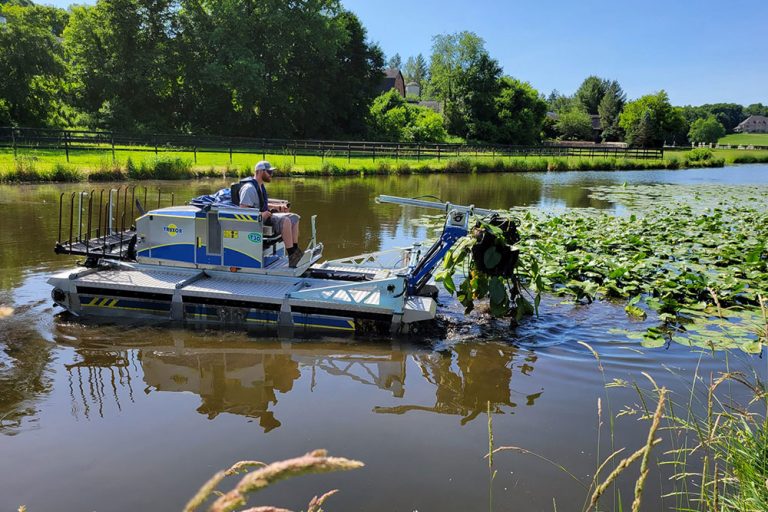
Hydro raking is a mechanical process that uses a floating barge equipped with a backhoe or rake attachment. This rake reaches into the water to grab and remove rooted aquatic vegetation and some loose sediment. It’s an effective way to clear shoreline areas, coves, and shallow water zones that have become overrun with plant growth or organic muck.
The rake can be used to manage aggressive plants like water lilies, cattails, and milfoil. Since the roots are pulled along with the vegetation, hydro raking helps slow regrowth, unlike surface-level cutting. It’s especially helpful in lakes or ponds that don’t require full sediment removal but still need periodic cleanup to keep the ecosystem in balance.
What Is Dredging?
Dredging is a more extensive process focused on removing larger volumes of sediment from the bottom of a lake or pond. This method is used when the buildup of organic material or silt has reached a point where it impacts depth, water flow, or recreational use.
There are different dredging methods, but most involve heavy equipment or suction systems that remove sediment and transport it away for disposal or reuse. Dredging is typically chosen for projects requiring significant restoration, including deepening a pond, removing years of accumulated sludge, or reclaiming shoreline lost to erosion and buildup.
Key Differences Between Hydro Raking vs. Dredging
Purpose and Depth of Removal
Hydro raking focuses on vegetation control and removes a shallow layer of sediment along with plant roots. It’s not designed to deepen a waterbody or remove large amounts of compacted material.
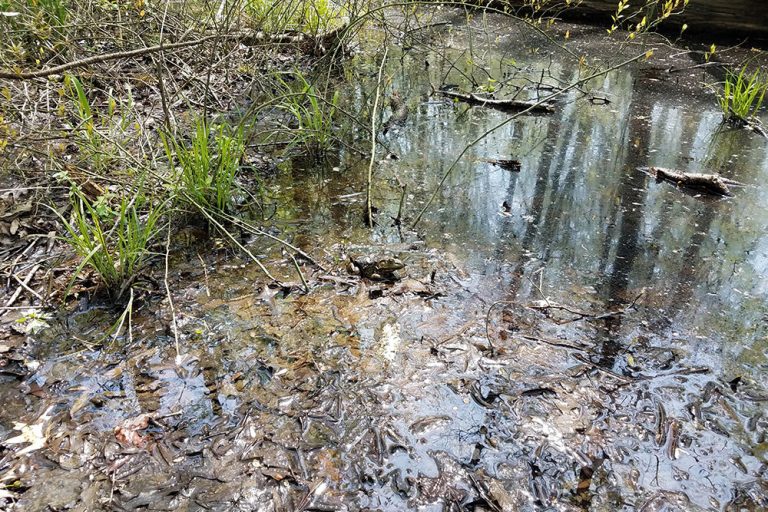
Dredging, on the other hand, goes deeper. It targets accumulated muck and sediment that may be several feet thick. Dredging can dramatically increase depth, restore original contours, and support long-term improvements in water quality.
Equipment and Method
Hydro raking uses a mechanical rake mounted on a floating platform. It physically pulls out plants and loose organic material.
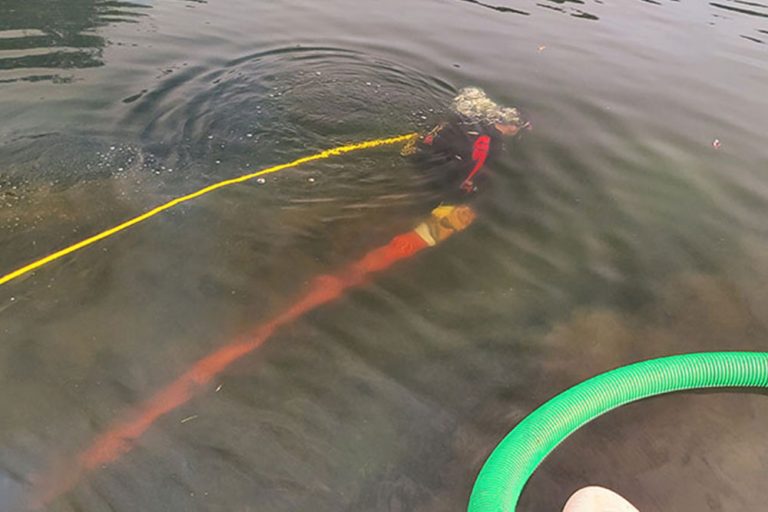
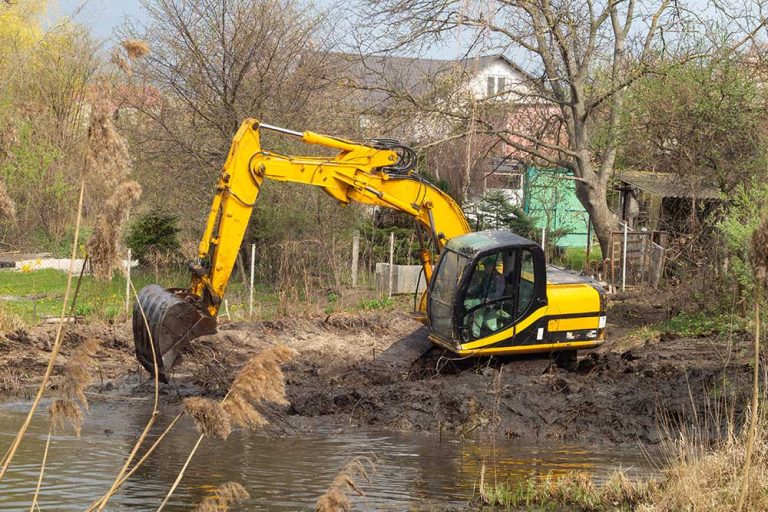
Dredging involves suction or excavation, depending on the method used. Hydraulic dredging, for example, vacuums sediment through hoses and pipes. Meanwhile, mechanical dredging scoops material into barges for transport. The equipment is larger and more specialized than what’s used for hydro raking.
Level of Disruption
Because hydro raking targets only the upper layer of the sediment bed and specific plant growth, it tends to be less disruptive. It’s a good fit for residential lakes or ponds where maintaining the natural shoreline is important.
Dredging is more invasive. It may involve temporary lowering of water levels or staging areas for equipment and sediment handling. While this is necessary for more serious problems, it’s not always the best fit for smaller or more delicate ecosystems.
When to Choose Hydro Raking
We often recommend hydro raking for clients dealing with:
- Overgrowth of emergent or floating plants
- Shoreline crowding due to cattails or lilies
- A need for periodic maintenance rather than full restoration
- Smaller budgets or timeframes
- Shallow coves or swimming areas impacted by vegetation
Hydro raking is also helpful before peak recreational seasons. It’s a great option for spot treatments that restore access or visibility without overhauling the entire lake or pond.
When to Choose Dredging
Dredging becomes necessary when:
- Sediment buildup has decreased overall water depth
- There’s a need to improve stormwater capacity
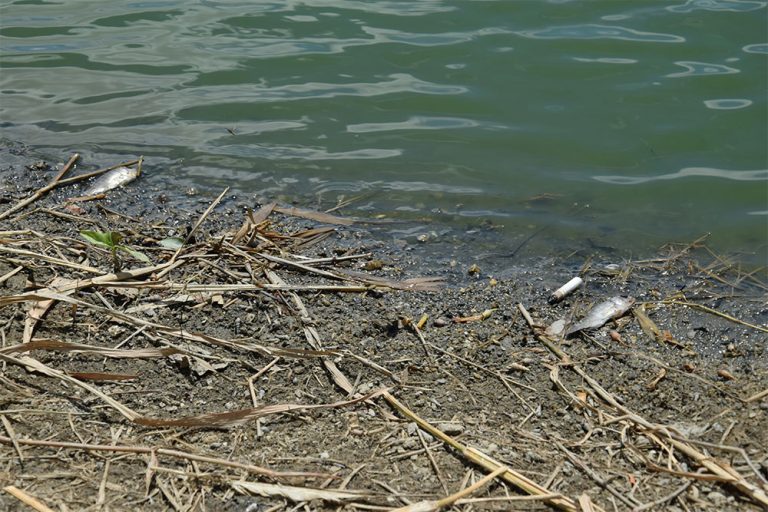
- Organic muck has impacted water quality
- Invasive weeds are thriving in nutrient-rich layers
- The shoreline is retreating due to silt accumulation
In these situations, hydro raking won’t be enough. We’ll often start with a full assessment and sediment survey before recommending a dredging approach. This allows us to create a plan that addresses both short- and long-term goals.
Combining Both Methods for Better Results
In certain situations, using both hydro raking and dredging in tandem offers a more effective and balanced outcome. Hydro raking is often recommended as a first step to remove dense aquatic vegetation, mat-forming weeds, and surface-level organic debris. This clears the way for targeted dredging, which can then focus on removing compacted sediment and restoring depth in key areas without unnecessary disruption.
This combined strategy not only enhances access and aesthetics but also improves water quality and supports the long-term health of the ecosystem. Adjusting the sequence and scope of each method to match the specific conditions of the site allows this approach to deliver greater flexibility and more sustainable outcomes for lakefront properties and recreational waterbodies alike.
Cost Considerations
In most cases, hydro raking is the more budget-friendly option compared to dredging. The equipment is smaller, and the process is less complex. It’s ideal for targeted vegetation removal or shallow sediment cleanup in smaller areas. This makes it particularly appealing for homeowners, lake associations, or municipalities with limited project scopes or budgets.
Dredging, on the other hand, involves larger machinery, more planning, and the added cost of sediment removal and disposal. These factors contribute to a higher price point. However, when deep sediment buildup threatens the usability or ecological balance of a waterbody, dredging becomes a necessary investment with long-term benefits. It restores depth, improves water quality, and can dramatically enhance the overall function and appearance of a lake or pond.
Let’s Talk About Your Waterbody
At New England Aquatic Services, we work closely with lake associations, municipalities, and private property owners to develop effective sediment and vegetation management plans. Our experience with both hydro raking and dredging gives us the insight to choose the best method for your specific situation.
If you’re unsure which option fits your needs, we’re happy to walk through your site, discuss your goals, and offer honest feedback. Whether you’re looking to restore recreational space, improve water quality, or reduce nuisance plant growth, we’re here to help.