Is Your Pond At Risk? Invasive Aquatic Plants You Should Know
When you imagine a pond, you might picture calm water, clear reflections, and thriving fish. That serene balance can be disrupted quickly when invasive aquatic plants take hold. These fast-growing species spread aggressively, crowd out native plants, lower oxygen levels, and make ponds difficult to enjoy or use.
In this guide, we examine common invasive aquatic plants in the region, the risks they present, and strategies to protect your pond’s health and usability.
What Makes a Plant “Invasive”?
Not all aquatic plants are harmful. Healthy ponds rely on native vegetation to filter water, stabilize sediment, and provide habitat and food for fish and wildlife. Problems arise when non-native species are introduced.
Invasive aquatic plants grow and spread beyond natural limits, often lacking predators in the environment. They reproduce rapidly through seeds, fragments, or underground rhizomes. Once established, these plants form dense mats or thick patches that outcompete native species, block sunlight, and deplete oxygen levels.
These plants impact both the ecosystem and recreation. Thick growth can clog boat motors, tangle fishing lines, and make swimming impossible. Understanding how to identify and manage invasive aquatic plants is a critical component of effective pond maintenance.
Common Invasive Aquatic Plants to Watch For
Hydrilla
Hydrilla is one of the most notorious invasive plants in the United States, known for its rapid growth and aggressive spread. It forms dense mats that block sunlight, outcompeting native vegetation and altering the pond’s natural balance. Even a tiny fragment can take root and start a new infestation, making control especially difficult.
Hydrilla also changes water chemistry and depletes oxygen levels, creating stressful conditions for fish and other aquatic life. Property owners often notice sudden thick growth, reduced recreational space, and murky water when hydrilla begins to dominate.
Eurasian Watermilfoil
Eurasian watermilfoil spreads quickly in nutrient-rich waters, forming dense underwater canopies with its feathery leaves. These thick mats choke out native plants, limit water flow, and disrupt habitat for fish and other wildlife.
Similar to hydrilla, it spreads through fragments, which makes eradication challenging once established. This species is particularly problematic for recreational ponds, as dense growth can tangle fishing gear, block swimming areas, and create hazards for boating.
Its persistence requires regular monitoring and ongoing management to keep ponds functional and healthy.
Curly-Leaf Pondweed
Curly-leaf pondweed grows early in the season, giving it a competitive advantage over native plants. Its wavy, serrated leaves are easy to identify for pond managers. Although it dies back in midsummer, decaying material releases nutrients that can fuel late-season algae blooms, contributing to an ongoing cycle of ecological stress.
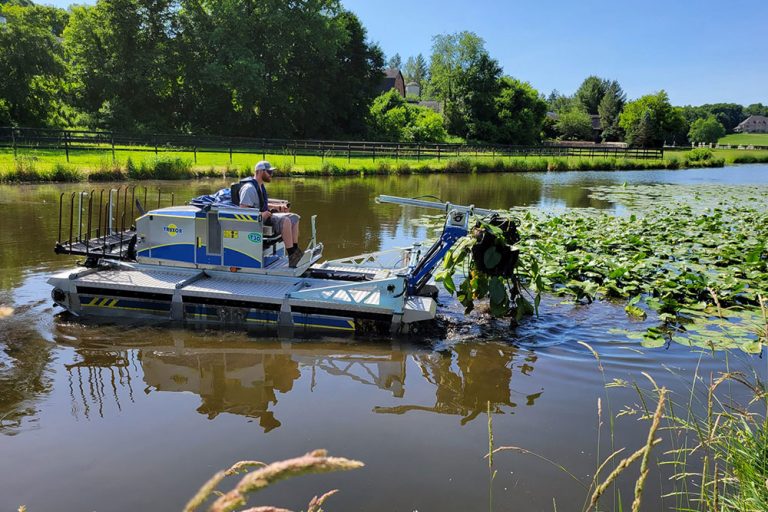
Left unmanaged, this plant can affect water clarity and fish habitat year after year. Removing curly-leaf pondweed with mechanical harvesting or diver-assisted suction harvesting breaks this recurring cycle. This process restores ecological balance, improves water clarity, and creates a healthier environment for fish, plants, and other aquatic life throughout the pond.
Water Chestnut
Water chestnut is an invasive floating plant that forms dense rosettes on the surface. These floating mats shade out native species and block sunlight. Below the surface, the plant produces hard, spiny seeds that can remain viable for years, making management challenging.
Because of its rapid spread and persistence, water chestnut is often best managed through a combination of hand-pulling for small infestations and mechanical removal for larger areas. Early action is key to preventing long-term problems.
The Risks of Invasive Aquatic Plants
The damage caused by invasive aquatic plants extends far beyond how a pond looks. As these species spread, they create a chain reaction of problems that affect the entire ecosystem.
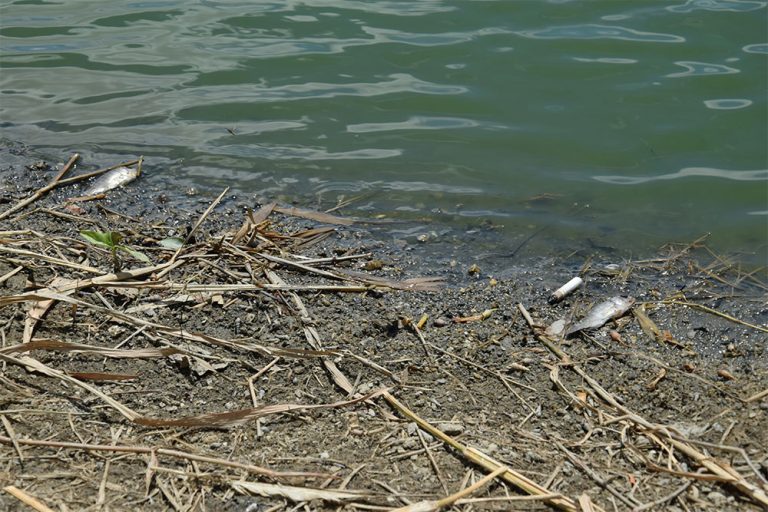
One of the most serious impacts is the reduction of oxygen levels. When thick growth blocks circulation and begins to decompose, oxygen levels in the water drop, which can lead to fish stress or even large die-offs. At the same time, dense mats of vegetation block sunlight from reaching native plants. Without light, native species struggle to survive, and overall biodiversity declines.
Invasive plants also form physical barriers within the water. Dense growth can block shorelines and open areas, making fishing, swimming, or boating difficult and sometimes unsafe. Over time, the accumulation of plant biomass accelerates pond aging.
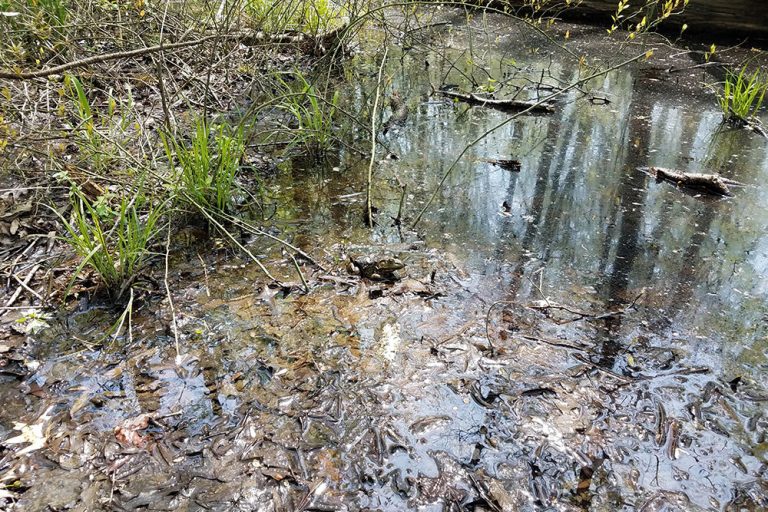
As these plants die and settle on the bottom, they decompose into muck, gradually filling the pond and reducing depth and clarity. These combined effects upset the natural balance, allowing one or two aggressive species to dominate the ecosystem.
How to Spot an Infestation Early
Catching invasive plants early makes them far easier to manage, which is why pond owners should pay close attention to changes in their water. One of the first signs is rapid spreading, where plants seem to appear in dense patches that expand each season. These growth patterns often differ from the slower, more contained spread of native species. Another indicator is the formation of thick mats of vegetation, either on the surface or just below it. These mats may block water movement and create a noticeable difference in clarity.
Visual cues in the plants themselves can also reveal a problem. Invasive species often have distinctive leaf shapes, unusual colors, or aggressive growth patterns that stand out against familiar native plants. Beyond plant appearance, changes in pond life may also point to an infestation. Declining fish populations, unexplained stress on aquatic wildlife, or murky water can all signal the presence of an invasive plant species.
Effective Removal and Management Options
Managing invasive aquatic plants requires more than one-time removal — it calls for strategies that address both immediate growth and long-term prevention. Some of the most effective methods include:
Diver-Assisted Suction Harvesting (DASH)
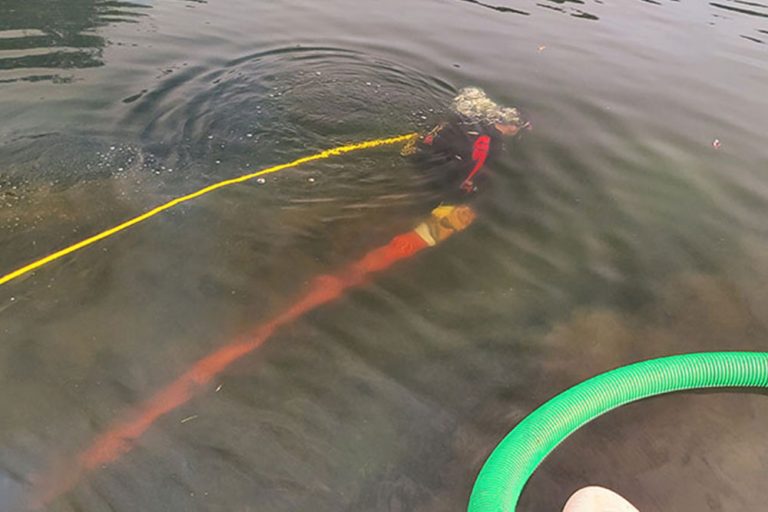
This method allows divers to pull plants by the root and suction them away for disposal. DASH is especially effective for invasive species like hydrilla or fanwort that regrow quickly from fragments.
Hydro-Raking
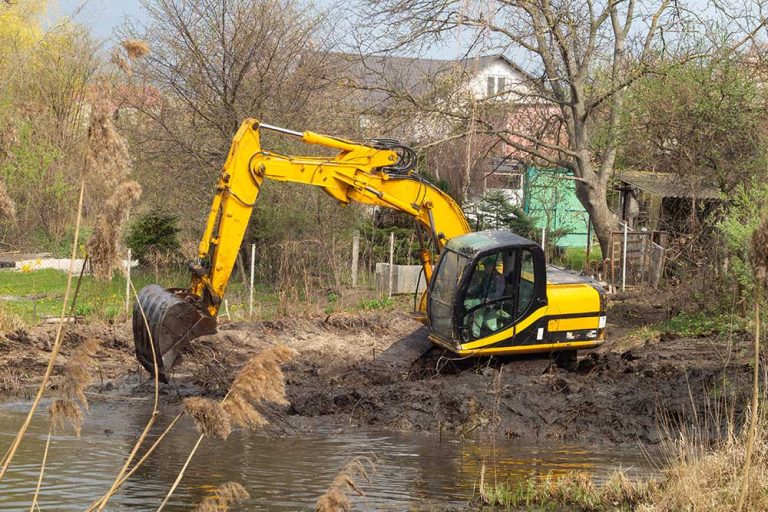
A hydro-rake clears large sections of invasive plants and root systems. This method is ideal for ponds that have been overtaken by dense growth along the shoreline or shallow areas.
Mechanical Harvesting
For larger ponds, mechanical harvesters cut and collect vegetation quickly, reopening waterways for recreation. While it may not remove roots, it provides immediate relief from heavy infestations.
Long-Term Maintenance
Invasive plants often return if ponds are not managed consistently. That’s why we create ongoing maintenance plans that include regular monitoring, seasonal harvesting, and other ecological practices to prevent reinfestation.
Why Work With Us
At New England Aquatic Services, we understand how overwhelming invasive aquatic plants can be. They spread quickly and can feel impossible to manage without help. That’s where our experience makes the difference.
We’ve spent more than 15 years helping property owners across New England restore balance to their ponds and waterways. Our methods are environmentally responsible, scientifically based, and customized to each pond we work on. Whether it’s hydrilla, water chestnut, or any other invasive species, we have the tools and knowledge to control the problem and keep your pond healthy for the long term.
Reclaim Your Pond
Invasive aquatic plants are more than just a nuisance — they can transform a thriving pond into an unbalanced, unusable space. By learning to recognize common species and addressing them quickly, you protect both the beauty and health of your water.
With the right management strategies, it’s possible to reclaim your pond and restore it to a balanced ecosystem. If you’re concerned about invasive aquatic plants in your pond, reach out to us at New England Aquatic Services. We’ll help you identify the problem and create a plan that keeps your pond clear, healthy, and enjoyable for years to come.