How Often To Clean Your Pond For A Healthy Ecosystem
If you own a pond, one of the most common questions is how often to clean your pond. Cleaning goes beyond aesthetics and directly affects the health of the water and ecosystem. Ponds are living systems, and like any living system, they need regular attention to remain balanced. Excess debris, algae growth, or nutrient buildup can quickly turn a serene water feature into a murky, unhealthy environment.
At New England Aquatic Services, we have more than 15 years of experience maintaining ponds and lakes throughout the region. Our services range from dredging and hydro-raking to seasonal cleanouts. Consistency and timing are critical for keeping a pond healthy.
This guide explains how often to clean your pond, why regular maintenance matters, and which techniques help maintain long-term pond health.
Why Pond Cleaning Matters
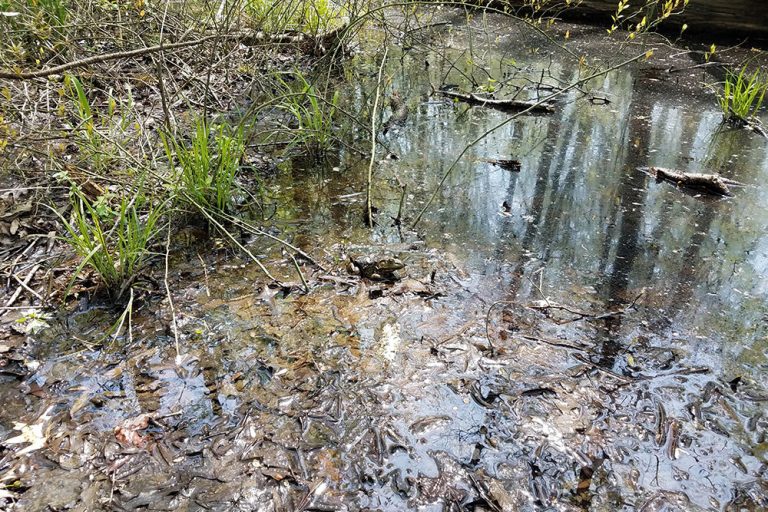
A pond might appear self-sustaining, but without maintenance, conditions deteriorate quickly. Leaves, grass clippings, and organic debris settle at the bottom and begin to break down into muck. This muck clouds the water and releases nutrients that encourage algae growth. Sediment buildup can also make the pond shallower and reduce circulation, stressing fish and other aquatic life.
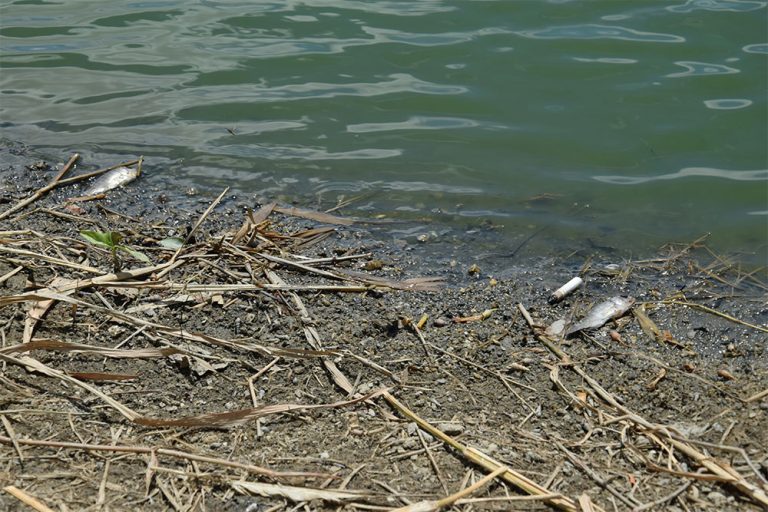
Excessive algae is a clear sign of imbalance. Small amounts are normal, but too much algae blocks sunlight, lowers oxygen levels, and disrupts the ecosystem. Severe oxygen depletion can result in fish kills and degraded water quality. Regular cleaning reduces organic matter buildup, restores balance, and keeps your pond visually appealing.
General Guidelines: How Often To Clean Your Pond
So how often to clean your pond depends on its size, location, and usage. Most ponds benefit from at least one thorough cleaning each year, usually in spring or fall. Seasonal cleanouts remove debris, control muck, and prepare the pond for upcoming weather changes.
Smaller ponds or those near trees may require two or three cleanings per year because debris accumulates faster. Larger ponds might not need as frequent attention, but ongoing maintenance, such as hydro-raking, dredging, or aquatic plant management, helps maintain clarity and balance. Establishing a proactive cleaning schedule keeps the ecosystem stable instead of waiting for problems to arise.
Seasonal Pond Cleaning
One of the best times to clean your pond is during seasonal transitions. Both spring and fall offer opportunities to reset the pond’s ecosystem and prepare it for the challenges of the upcoming season.
In the spring, cleaning removes leaves and debris that accumulated over winter, when natural decomposition slowed down. This prevents an overload of nutrients in the warmer months, when algae growth tends to spike. Spring cleaning also gives you a chance to inspect pond structures, pumps, and aeration systems before they’re put to heavy use.
In the fall, cleaning prepares the pond for colder weather. Removing leaves before they sink and decay prevents nutrient buildup that could fuel winter or early spring algae blooms. Fall cleanouts also keep water clearer through the dormant months, supporting fish and other aquatic life.
Factors That Influence Cleaning Frequency
Pond Size and Depth
Larger and deeper ponds generally offer more natural stability. They can accommodate a moderate amount of organic matter without significantly affecting water quality. This additional volume helps buffer nutrient spikes and prevents sudden oxygen depletion. Smaller or shallower ponds are more sensitive to debris and nutrient buildup.
Organic matter accumulates faster, and oxygen levels can fluctuate quickly, which stresses fish and other aquatic life. As a result, smaller ponds often require more frequent cleanouts and close monitoring to maintain a healthy balance and clear water.
Surrounding Environment
The area around a pond plays a major role in how quickly it accumulates debris. Ponds near trees, shrubs, or landscaped areas tend to collect leaves, grass clippings, and other organic material more rapidly than those in open fields. Runoff from surrounding soil or fertilizers can also contribute to nutrient buildup and algae growth.
If a pond is shaded by overhanging branches, leaves, and debris may fall directly into the water, requiring extra attention. Regular cleanings help prevent excessive muck accumulation and maintain water clarity in ponds influenced by their surrounding environment.
Fish and Wildlife Population
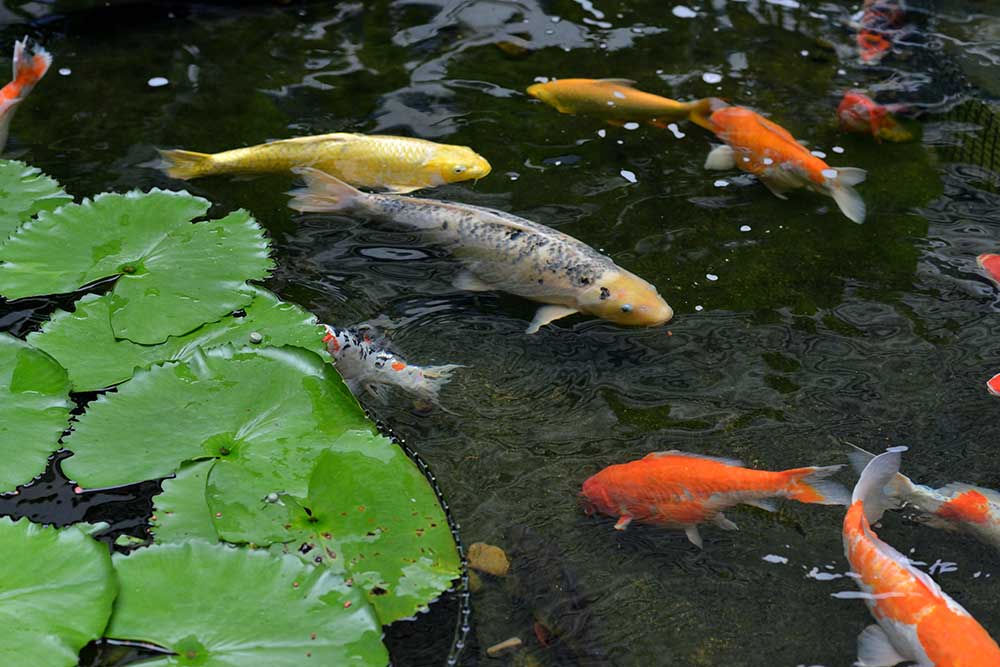
Ponds with fish or other wildlife experience higher levels of organic input. Fish produce waste that increases nutrient levels in the water, promoting algae and muck buildup if left unchecked. Birds, waterfowl, and other animals that visit or live in the pond can add additional debris and organic matter.
The more wildlife activity a pond experiences, the more frequent cleaning becomes necessary to keep oxygen levels balanced and prevent the ecosystem from becoming stressed. Monitoring population and waste load helps determine an effective cleaning schedule.
Purpose of the Pond
The intended use of a pond strongly affects its cleaning frequency. Recreational ponds used for swimming, boating, or fishing need to remain cleaner and clearer than ornamental or purely ecological ponds. Higher water clarity and lower organic content are necessary for safety and enjoyment during recreational use. Ornamental ponds or wildlife-focused ponds may tolerate slightly more organic material without negatively impacting their purpose.
Understanding the pond’s primary function allows you to schedule cleanings that maintain both aesthetics and usability, keeping the water feature healthy and enjoyable for its intended activities.
Cleaning Methods That Support a Healthy Pond
Hydro-Raking
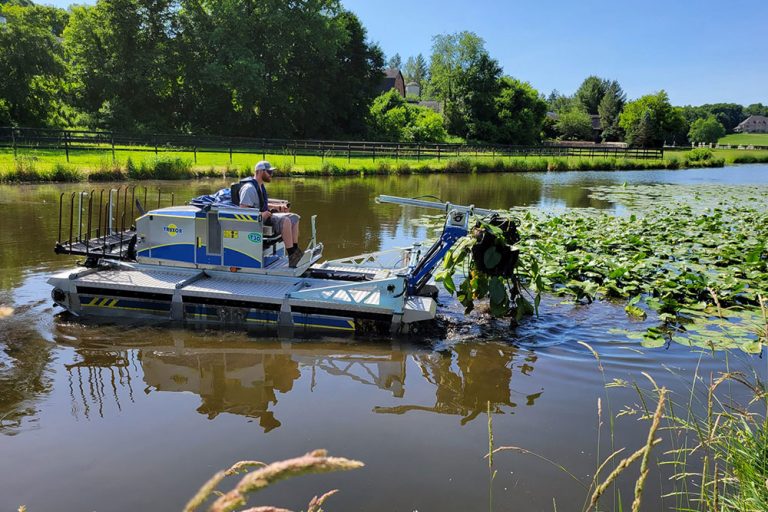
Hydro-raking uses a barge-mounted rake to pull up aquatic weeds, cattails, and organic debris from the pond bottom. This method not only clears the water column but also reduces muck, improving both appearance and water quality.
Diver-Assisted Suction Harvesting (DASH)
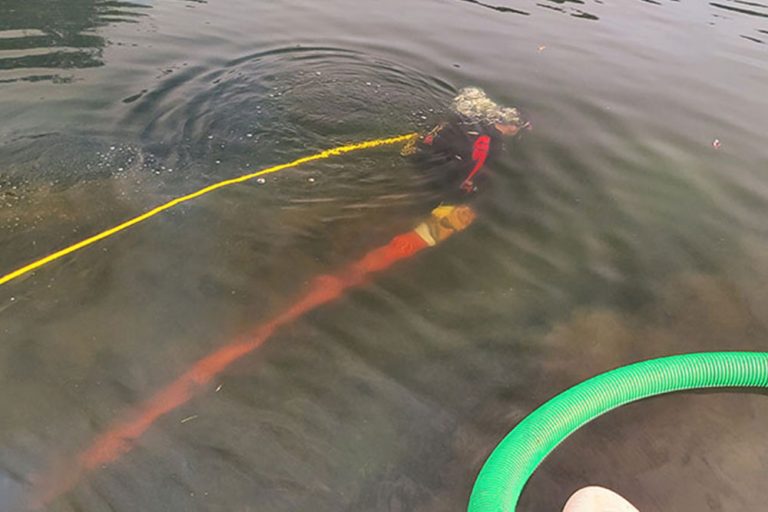
For precise cleaning, DASH allows divers to pull weeds by their roots and suction them to the surface for removal. This method is especially effective for invasive plants that quickly take over if left unchecked.
Dredging
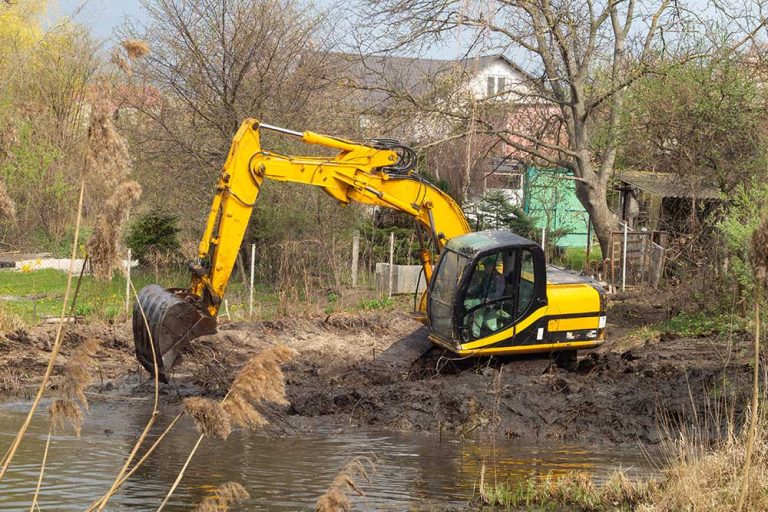
For ponds with heavy sediment buildup, dredging is a long-term solution. By removing accumulated muck and deepening the pond, dredging restores circulation, reduces nutrient levels, and improves the overall health of the waterbody.
Mechanical Harvesting
This approach targets dense growths of aquatic plants and algae mats. Large harvesters cut and remove vegetation quickly, reopening water areas for recreation and restoring balance to the pond.
Signs Your Pond Needs Cleaning
Even with a regular schedule, it’s important to watch for signs that your pond needs extra attention. Some of the most common indicators include cloudy or murky water that doesn’t clear up on its own, having a thick layer of muck or sludge at the bottom, and strong odors coming from the water.
If you notice these signs, it may be time to clean your pond sooner than planned. Addressing problems early prevents them from escalating into larger issues.
The Benefits of Regular Pond Cleaning
Sticking to a consistent pond cleaning schedule offers many advantages. Beyond keeping the water clear and attractive, regular cleaning supports a healthier ecosystem. Removing excess nutrients reduces algae growth, while clearing muck improves oxygen levels for fish and plants. A clean pond is also less likely to experience sudden die-offs, foul odors, or invasive plant outbreaks.
For property owners, regular cleaning also extends the lifespan of pond equipment such as pumps, aerators, and fountains. By reducing sediment and debris, you minimize wear and tear on these systems.
Ultimately, regular pond cleaning is an investment in both the beauty and functionality of your water feature.
Clean Your Pond With Us
So, how often should you clean your pond? At least once a year is a good rule of thumb, but the exact frequency depends on your pond’s size, environment, wildlife, and intended use. Regular seasonal cleanouts combined with methods like hydro-raking, dredging, and harvesting are the best way to maintain clarity and balance.
A healthy pond doesn’t just happen — it takes attention and the right care plan. If you’re ready to establish a cleaning routine that works for your pond, contact New England Aquatic Services today. We’ll help you create a strategy that keeps your water feature clear, balanced, and beautiful year after year.