What’s Involved In Pond And Lake Management
Pond and lake management is an important process for maintaining healthy aquatic ecosystems. Proper management makes sure that water bodies remain clear, balanced, and sustainable. This process involves a combination of techniques that address various aspects such as water quality, plant control, and sediment management.
In this blog, we will explore what’s involved in pond and lake management, including the key practices that contribute to long-term ecological health and functionality.
The Importance of Regular Monitoring
Ongoing monitoring is key to the health of a pond or lake. Regular testing of water quality helps identify potential issues such as high nutrient levels or low oxygen content. Monitoring also allows for the detection of invasive species that could disrupt the ecosystem.
Without monitoring, it is difficult to maintain a balanced aquatic environment. Unchecked changes in water quality can lead to algae blooms or other undesirable effects. Early detection enables timely interventions that keep the water body healthy for both wildlife and human enjoyment.
Effective monitoring also involves closely observing plant growth, fish populations, and the general condition of the ecosystem. Gaining insight into these variables allows management strategies to be adjusted to fit the unique needs of the water body. This well-rounded approach helps confirm that each aspect of the aquatic environment receives the attention it requires for long-term health and stability.
Water Quality Management
Water quality management is a central aspect of pond and lake management. Proper techniques are needed to maintain safe oxygen levels and reduce excess nutrients. Aeration systems, which circulate oxygen, are one common method used to enhance water quality.
Another aspect of water quality management involves controlling pollution. Runoff from nearby land can carry harmful chemicals and sediments into the water. Using natural buffers like plants along the shoreline can help filter out pollutants before they enter the water.
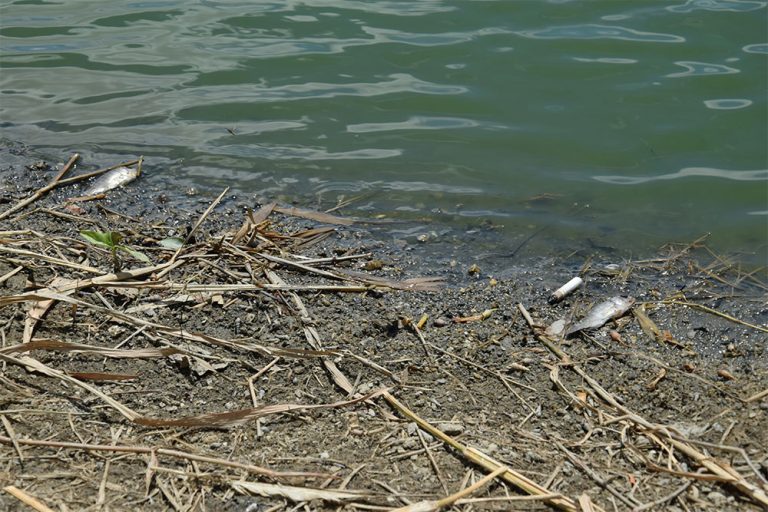
Managing water quality also includes controlling the levels of organic matter in the water. Excessive organic material can decompose and reduce oxygen levels, harming aquatic life. Regular removal of excess organic matter, such as dead plants or algae, is important for preserving the health of the ecosystem.
Plant Control and Aquatic Vegetation Management
Controlling aquatic plants is needed for maintaining a balanced pond or lake. Some plants, like algae, can grow rapidly and create imbalances in the ecosystem. Overgrowth of certain plants can block sunlight from reaching other parts of the water body, harming other plant species and aquatic life.
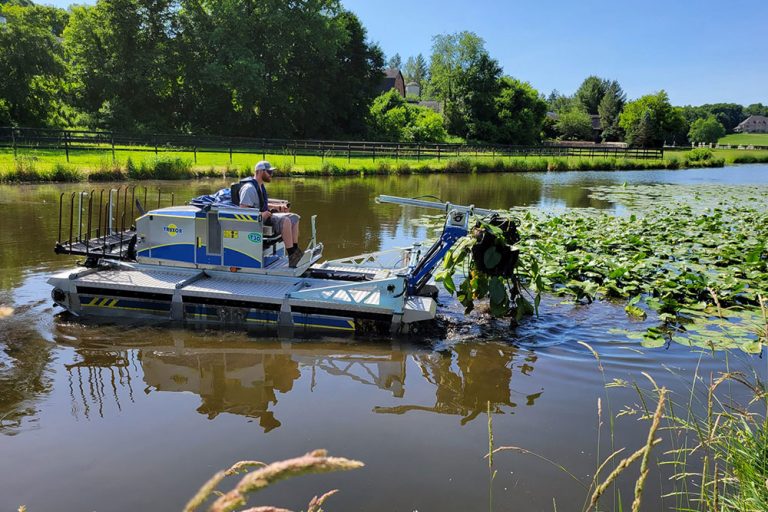
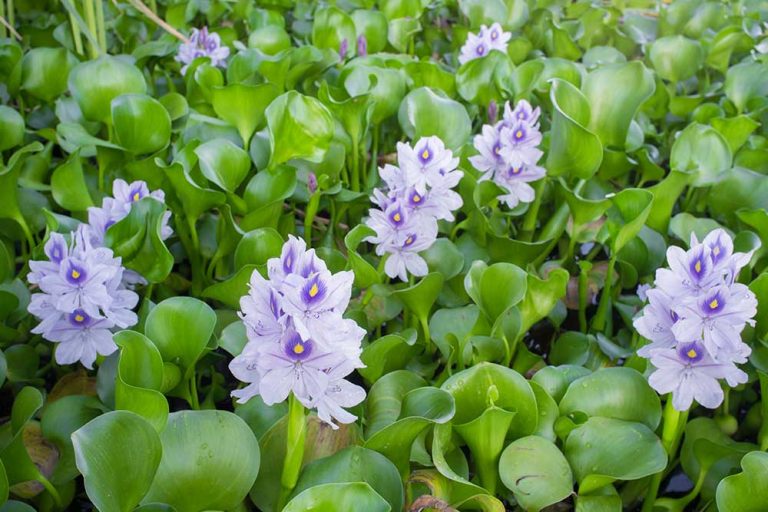
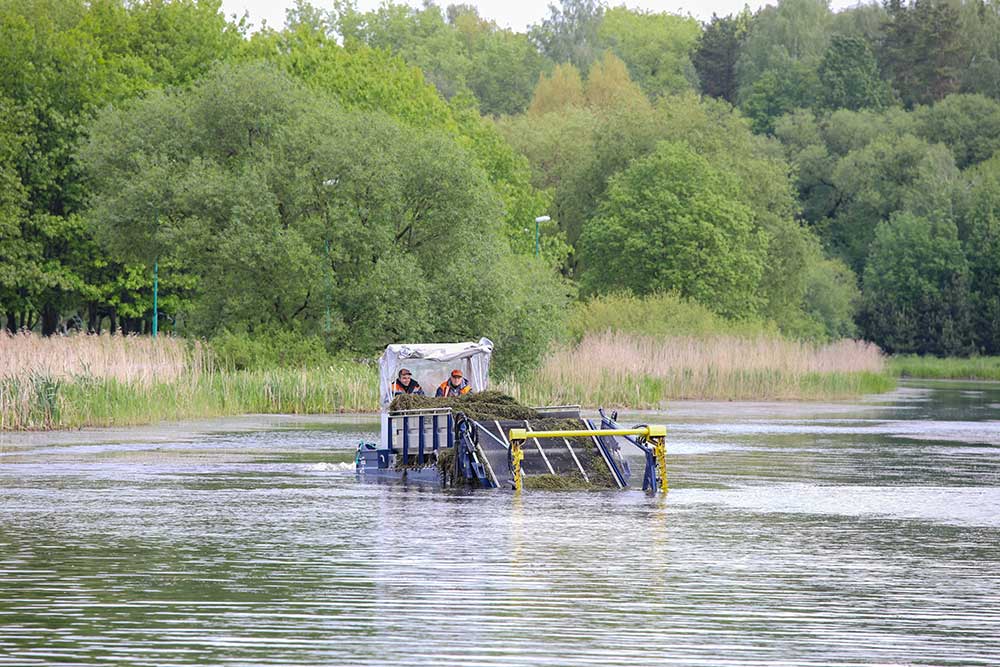
There are various methods for controlling unwanted plants, including chemical treatments and physical removal. Mechanical harvesting is a common technique used to remove invasive plants. This method involves physically cutting and removing the plants from the water, which helps prevent them from taking over.
In some cases, the introduction of beneficial plants can help control unwanted growth. Native aquatic plants can help stabilize the ecosystem by providing food and shelter for wildlife. They also compete with invasive species for nutrients, naturally controlling their growth.
Sediment Management and Dredging
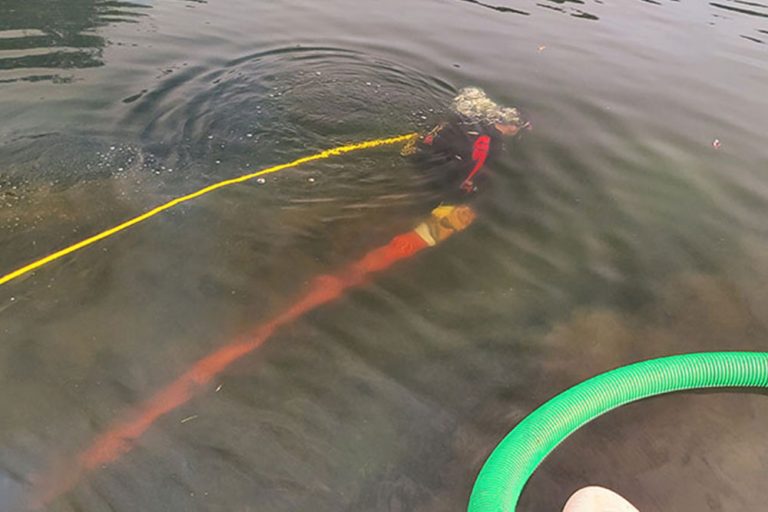
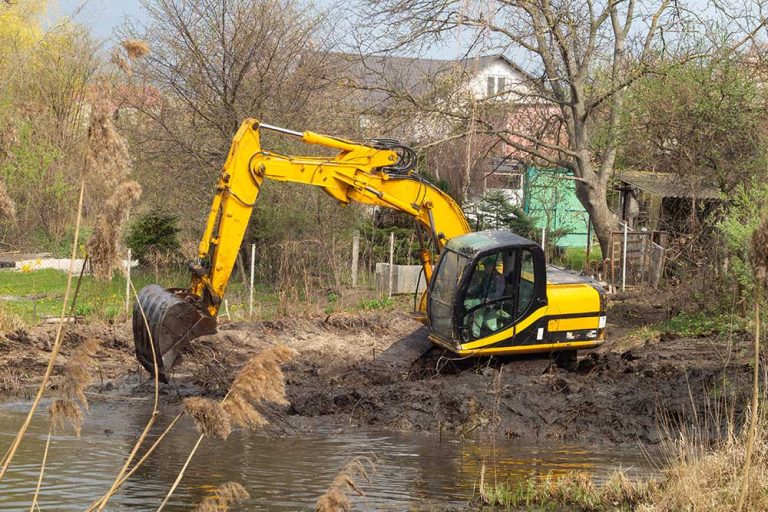
Sediment accumulation is a common issue in lakes and ponds. Over time, sediments can build up and reduce water depth, affecting the health of the ecosystem. Dredging is the process of removing excess sediment from the bottom of a water body to restore its depth and improve water flow.
Sediment management also focuses on limiting future buildup. Erosion control tools such as silt fences and vegetative buffers help minimize sediment runoff entering the water. Preventing additional accumulation supports the long-term health and sustainability of the pond or lake.
Alongside dredging, hydro-raking offers another effective approach for sediment removal. This technique uses specialized equipment to rake and extract debris from the waterbed. Both hydro-raking and dredging contribute to restoring ecological balance by clearing out excess material that can disrupt aquatic environments.
Addressing Invasive Species
Invasive species present a serious challenge to the health of ponds and lakes. These non-native organisms often outcompete local plants and wildlife for food, space, and other resources. Their presence can disrupt natural balance, leading to reduced biodiversity and a decline in overall ecosystem stability.
Early detection plays a critical role in managing invasive species. Once identified, targeted removal methods can be applied. Common strategies include mechanical harvesting, chemical treatments, and introducing natural predators to limit their spread.
Ongoing management remains essential, as invasive species may return even after initial removal. Regular monitoring and timely interventions help prevent reestablishment and allow native ecosystems to recover and thrive. Through consistent efforts, pond and lake environments remain more resilient against invasive threats.
The Role of Aquatic Wildlife
Aquatic wildlife contributes significantly to the health and stability of ponds and lakes. Fish, insects, and other organisms support essential ecological functions, including nutrient cycling and food chain balance. However, certain species may present challenges such as overpopulation or the spread of disease.
Managing aquatic wildlife involves maintaining a balanced population across various species. This can include introducing or removing specific organisms based on habitat conditions and ecosystem needs. Water quality and plant life must also be capable of supporting healthy wildlife populations throughout the year.
In some cases, pond or lake restoration becomes necessary to improve habitat conditions. Enhancing the environment in this way makes it more suitable for diverse species and promotes overall ecosystem health. Responsible aquatic wildlife management helps preserve the long-term stability and vitality of the water body.
Sustainable Practices in Pond and Lake Management
Sustainability is central to effective pond and lake care. Adopting environmentally conscious practices helps protect aquatic ecosystems and keeps them viable for future generations. One common method includes the use of beneficial bacteria to control nutrient levels without disrupting natural processes.
Sustainable approaches also limit the use of harmful chemicals. This includes applying organic treatments and encouraging native plant growth to support biodiversity. These efforts not only maintain water clarity and quality but also strengthen the ecosystem’s ability to adapt and thrive.
Focusing on sustainability allows pond and lake managers to preserve the surrounding environment while protecting the water body’s natural appearance and functionality. Long-term ecological health benefits both local wildlife and the communities that enjoy these aquatic spaces.
The Benefits of Professional Lake and Pond Management Services
Professional pond and lake management services offer many advantages that make ongoing maintenance more effective and less time-consuming. With over 15 years of industry experience, New England Aquatic Services provides specialized support in areas such as hydro raking, pond dredging, and aquatic vegetation control.
Partnering with professionals means receiving customized solutions that suit the specific conditions of your pond or lake. From managing sediment buildup to improving aquatic plant balance, a well-rounded service plan supports every aspect of a healthy ecosystem. These efforts create a more enjoyable and functional space for both wildlife and people.
Routine monitoring and maintenance are also part of professional service plans. Regular oversight helps identify potential issues early and reduce the chance of larger problems developing over time. New England Aquatic Services offers comprehensive care designed to support long-term ecological health.
Get Expert Help with Pond and Lake Management
If you are looking for expert pond and lake management services, New England Aquatic Services is here to help. With over 15 years of experience, we specialize in a range of services, including pond dredging, hydro raking, and more. Our environmentally friendly, scientifically based methods make sure that your water body remains healthy and sustainable for years to come.
Contact us today to learn more about how we can assist with your lake and pond management needs. We are dedicated to providing the highest level of service and building long-term relationships with our clients.
Let us help you maintain a beautiful and thriving water environment.