Why Mechanical Algae Removal Is A Smart Choice For Clearer Lakes
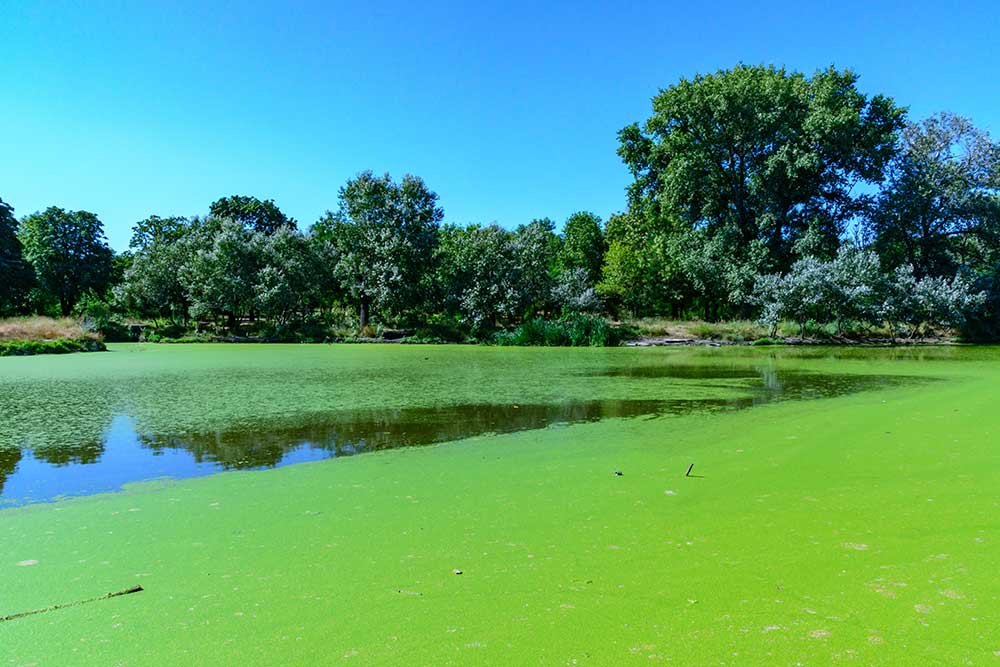
Mechanical algae removal is an effective and environmentally conscious way to restore balance to lakes struggling with algae overgrowth. When mats of algae begin to take over, this method can help restore clarity, improve usability, and support a healthier aquatic environment.
In this blog, we will explore how mechanical algae removal works, when it’s most effective, and why it’s a sustainable solution.
Understanding the Problem: Algae Overgrowth in Lakes
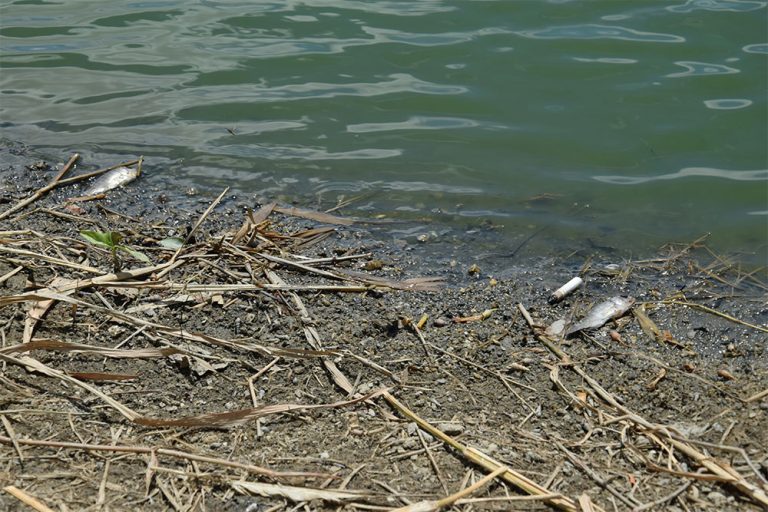
Algae blooms occur naturally. However, when nutrient levels rise, especially phosphorus and nitrogen, the conditions become ideal for rapid algae proliferation. In particular, blue-green algae (cyanobacteria) can quickly disrupt the ecosystem, leading to cloudy water, unpleasant odors, fish deaths, and potential health risks for people and animals.
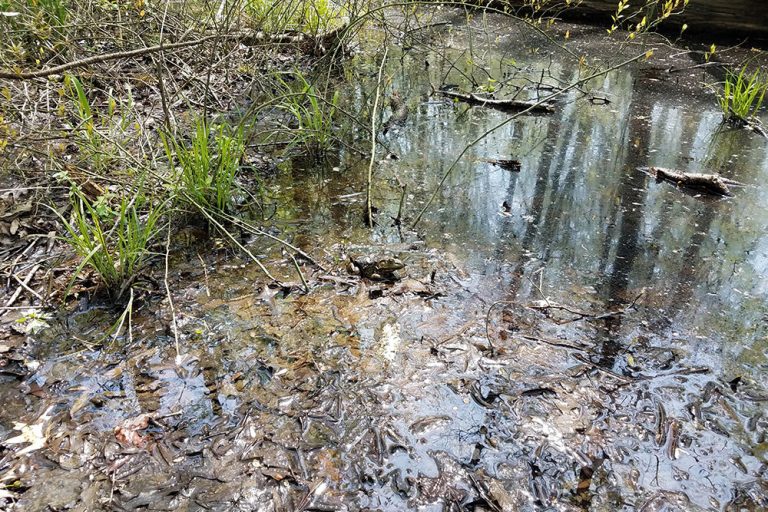
In many cases, the underlying issue is the buildup of organic material and sediment, which acts as a nutrient source that fuels repeated blooms. Chemical treatments may offer temporary visual relief, but they do not address what causes the algae to thrive.
What Is Mechanical Algae Removal?
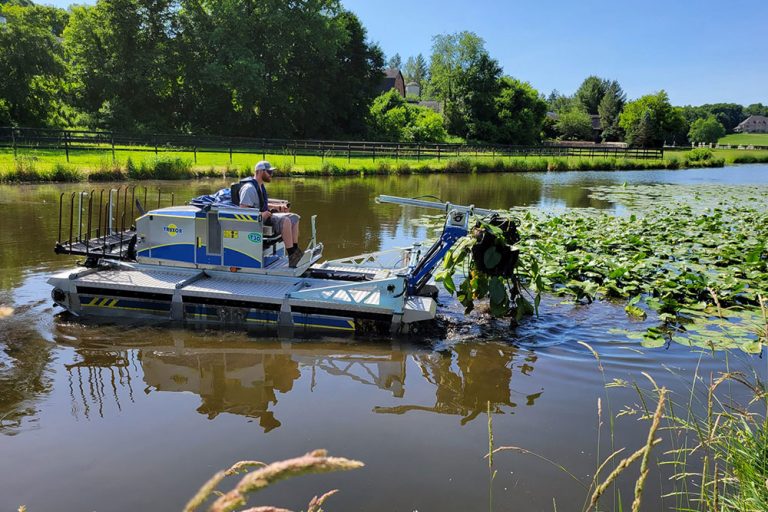
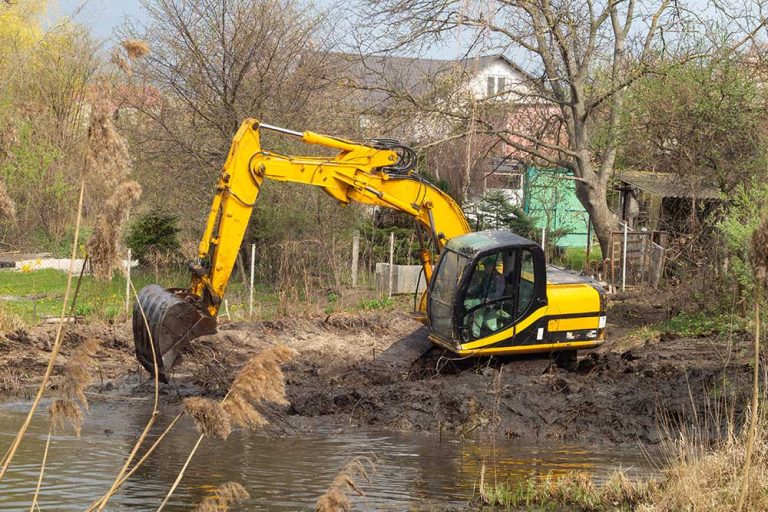
Mechanical algae removal involves physically removing algae from the water using specialized equipment. These machines are designed to skim, cut, or vacuum algae directly from the surface or just below it, depending on the species and density of the growth.
This method is often used when blooms are too large or dense to be addressed by hand or when land-based access is limited. Machines like aquatic weed harvesters or suction dredges can clear wide areas in a short period. This makes it a practical solution for lakes used for recreation, drinking water, or aesthetics.
How It Works
A site assessment helps identify the algae species, the size of the affected area, and the most appropriate equipment for removal. Once the machinery is deployed, it collects the algae and any associated organic matter, which is then offloaded and transported for composting or disposal.
This approach not only clears the current growth but also removes decaying remnants that would otherwise continue contributing to internal nutrient recycling.
Benefits of Mechanical Algae Removal
One of the strongest advantages of this technique is the immediate, visible improvement it provides. Large blooms can be significantly reduced in a short amount of time. For this reason, the solution is particularly effective for lakes used for recreation or those located near residential communities.
In addition, mechanical removal avoids the use of synthetic chemicals, which can impact non-target species and water quality. It offers a selective way to address nuisance algae without harming beneficial native vegetation or aquatic life. Because the process is physical rather than chemical, it supports safer conditions for both people and wildlife.
Ideal Conditions for Mechanical Algae Removal
Mechanical algae removal is most effective in shallow to moderately deep lakes where algae mats are floating or only loosely attached to the bottom. The method works best when applied early in the bloom cycle, limiting the potential for algae to spread or settle into long-term sediment layers.
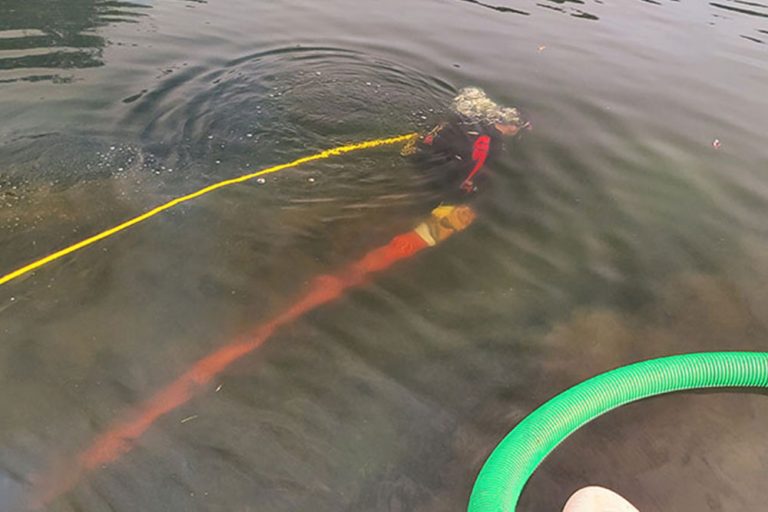
This solution can also be used in combination with other lake management strategies. In some cases, it complements diver-assisted suction harvesting or hydro-raking, especially when aiming for a broader, ecosystem-focused restoration plan.
At New England Aquatic Services, we evaluate each site individually to determine if this technique aligns with your lake’s specific needs. It may also be used alongside other methods like diver-assisted suction harvesting or hydro-raking for a comprehensive management approach.
Mechanical vs. Chemical Algae Control
When comparing algae control methods, mechanical removal comes with distinct advantages over chemical treatments.
While chemicals can produce rapid results, they often require multiple applications and may affect native species or disrupt water chemistry. Mechanical removal physically extracts the algae from the water. It leaves no residue, avoids runoff, and allows for immediate use of the waterbody without waiting periods.
In many cases, chemical treatments cause algae to die off and sink, where the decaying biomass releases nutrients back into the system. This recycling of nutrients can fuel future blooms and lead to a cycle of dependency. Mechanical removal breaks that cycle by extracting the algae altogether, reducing the nutrient load, and supporting longer-term water clarity and ecosystem health.
The Role of Mechanical Removal in Long-Term Lake Health
Algae control is not a one-time solution but rather a part of broader lake management. Mechanical harvesting helps reduce the frequency and severity of blooms, especially when combined with other strategies that address root causes. A sustainable approach to lake health may include:
- Nutrient source control (e.g., runoff management, buffer planting)
- Aeration or circulation systems
- Sediment removal through dredging or hydro-raking
- Routine water testing and monitoring
We often recommend a customized plan that fits your lake’s unique conditions. For some clients, mechanical algae removal is the main focus; for others, it’s one tool in a well-rounded strategy.
Why Work with New England Aquatic Services
With over 15 years of experience, our team understands the science and strategy behind long-term lake management.
We use environmentally sound practices and prioritize the health of both ecosystems and the people who enjoy them. Mechanical algae removal is just one of many aquatic services we offer to help you maintain a clean, safe, and visually appealing waterbody.
Our approach starts with an on-site assessment, followed by a tailored plan based on your goals, your lake’s condition, and the surrounding environment. We’re committed to building lasting relationships with our clients and helping them manage their lakes with confidence.
A Smart Move Toward Cleaner Water
Mechanical algae removal provides an immediate, environmentally responsible approach to managing nuisance blooms. Extracting the algae rather than treating it chemically, this method interrupts the regrowth cycle and promotes lasting improvements in water clarity, habitat health, and recreational value.
It also helps limit nutrient recycling, which is often the underlying cause of repeated algae issues, and supports long-term water quality goals for both private and public use.
At New England Aquatic Services, this technique has consistently delivered strong results when applied with care and precision. For those seeking a safe, effective way to manage algae buildup, expert guidance is available every step of the way.