The Importance Of Lake Restoration For Healthy Ecosystems

Lake restoration plays a vital role in protecting and revitalizing aquatic ecosystems. Over time, ponds and lakes can deteriorate due to pollution, invasive species, sediment buildup, and nutrient overload. Through targeted lake restoration efforts, it becomes possible to improve water quality, promote biodiversity, and support the long-term stability of the environment.
Let’s explore how lake restoration helps protect freshwater environments, improve ecological balance, and support healthier ecosystems for both wildlife and nearby communities.
Understanding Lake Degradation
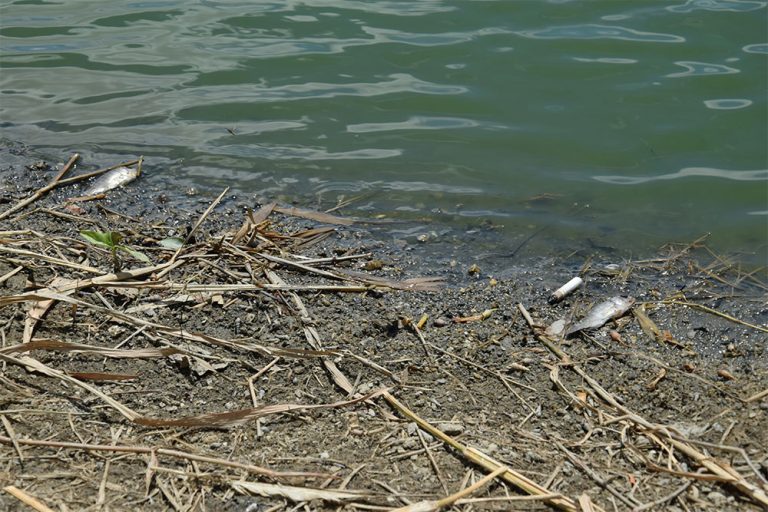
Lakes and ponds around the world are increasingly affected by degradation. Chemicals, runoff, and excess nutrients often lead to harmful algal blooms and reduced oxygen levels. This makes the environment unsafe for both aquatic life and human use. These conditions can quickly disrupt the balance of the ecosystem and lead to a loss of biodiversity.
Without intervention, the damage can extend beyond the water body itself. Native species may disappear as invasive plants or animals take over, altering food chains and weakening the ecosystem’s natural defenses. Lake restoration offers a focused approach to counter these challenges and helps the water return to a healthier, more functional state.
The Role of Aquatic Plants in Lake Ecosystems
Aquatic vegetation contributes significantly to lake health. Plants absorb nutrients that would otherwise feed algae, and they offer shelter and breeding grounds for fish and other wildlife. Their root systems also help stabilize the shoreline and reduce sediment runoff.
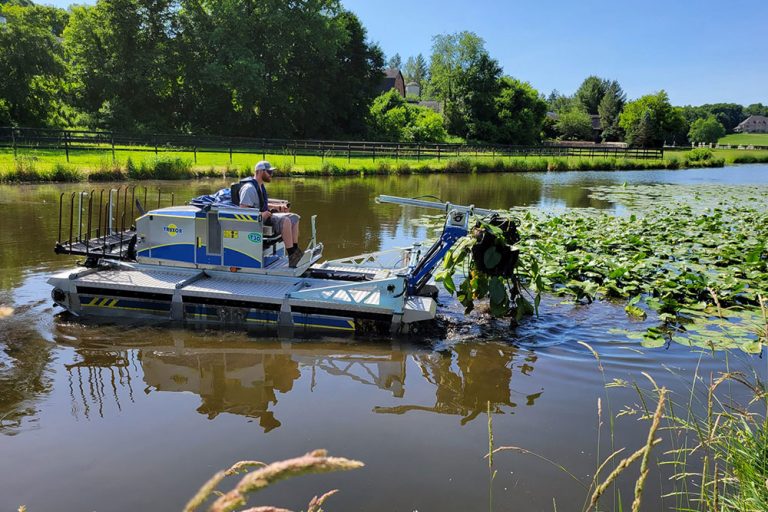
A major component of lake restoration involves restoring native plant species. These plants play a key role in maintaining habitat balance and supporting native wildlife. Removing harmful invasive species and reintroducing beneficial vegetation can help improve water clarity and overall ecosystem function.
Native aquatic plants also enhance oxygen production, promote microbial activity, and contribute to the natural breakdown of organic matter. Their presence helps build a more resilient ecosystem capable of adapting to seasonal changes and long-term environmental shifts.
Improving Water Quality through Restoration
A key objective of lake restoration is to improve water quality. Excessive levels of nutrients like phosphorus and nitrogen can cause eutrophication, a process that depletes oxygen and disrupts aquatic ecosystems. Low oxygen levels make it harder for fish and other wildlife to thrive, often leading to imbalanced conditions.
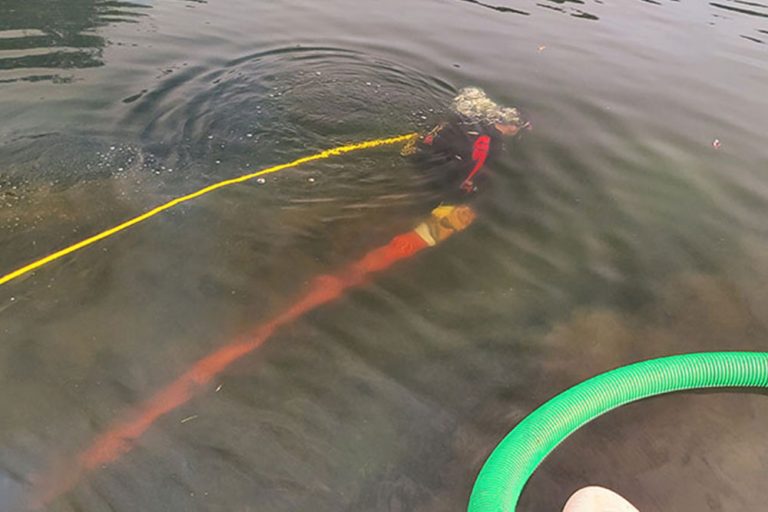
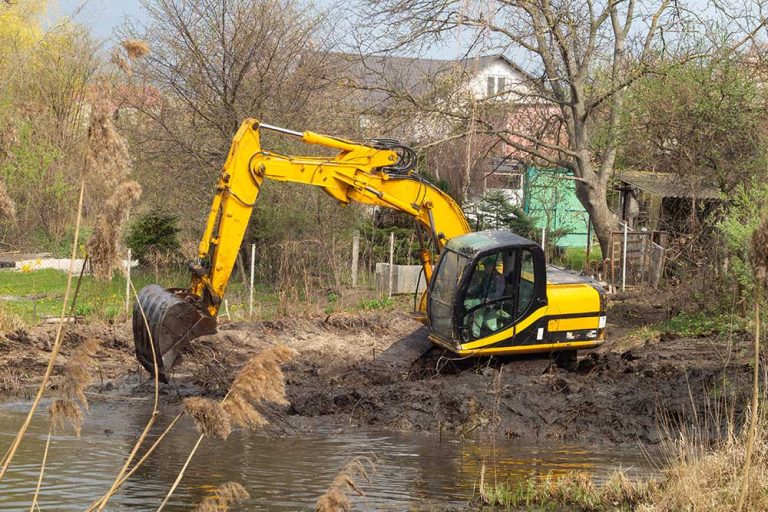
Restoration methods such as dredging and aeration are commonly used to reduce nutrient buildup and help restore proper oxygen circulation. These techniques create a more stable environment where aquatic organisms can flourish and contribute to overall ecosystem health.
Removing sediment and nutrient-rich material also helps limit the growth of harmful algal blooms. These blooms can release toxins that pose risks to both wildlife and people. Reducing their frequency results in cleaner, safer water while also preserving the lake’s natural beauty. Restored water quality can boost recreation, support native species, and contribute to long-term environmental resilience.
Supporting Biodiversity through Restoration
Lake ecosystems are home to a wide range of species, including microscopic organisms, fish, amphibians, and birds. Restoration work focuses on creating the environmental conditions these species need to survive and thrive. Improvements to water quality and the reduction of pollutants play a key role in preserving a balanced and diverse ecosystem.
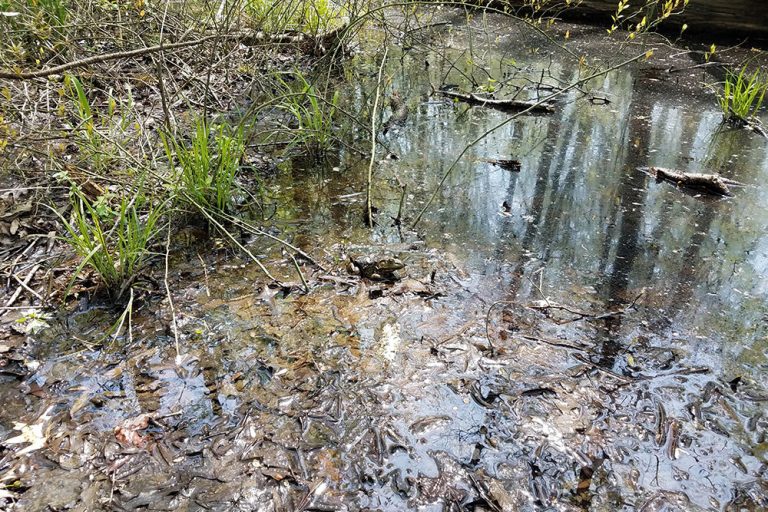
Restoring surrounding wetland areas can provide valuable breeding grounds and shelter for birds, amphibians, and aquatic life. These habitats support the food chain at every level, from insects to larger predators. A rich and varied ecosystem is better equipped to handle environmental shifts and contributes to the long-term stability of the lake.
Another important aspect of restoration involves reintroducing native species that have been affected or displaced by invasive ones. Supporting native wildlife helps reestablish the natural food web and strengthens the ecological foundation of the lake. Through targeted restoration, biodiversity is protected and enriched, benefiting both the immediate environment and the surrounding landscape.
The Economic Benefits of Lake Restoration
In addition to environmental gains, lake restoration can lead to meaningful economic benefits. Restored lakes often become focal points for tourism, fishing, and recreational activities, which can help support local businesses and boost regional economies. Improved water clarity and healthy ecosystems make these areas more appealing to visitors and residents alike.
In communities where fishing plays an economic role, healthier fish populations support commercial and recreational fishing industries. This promotes job creation and helps sustain businesses that depend on access to clean, productive waterways.
Lake restoration can also reduce the financial burden on municipalities. Healthier lakes often require less intensive water treatment and help lower ongoing management and maintenance costs. In the long run, restored lakes contribute to both environmental sustainability and economic resilience for the surrounding area.
Addressing the Challenges of Restoration
Lake restoration brings lasting benefits, but the process often comes with significant challenges. One of the most common difficulties is the large scope of work required.
Many projects demand considerable time, funding, and coordination to complete successfully. Tasks such as sediment removal, reestablishing native aquatic vegetation, and controlling invasive species all require focused effort and careful planning.
Climate change presents another ongoing concern for restoration efforts. Increases in temperature and shifts in rainfall patterns can further complicate water quality and lake health. These factors must be considered when developing strategies that support long-term restoration and stability.
Although the challenges can be substantial, the value of lake restoration remains clear. Using science-based approaches and environmentally responsible techniques can help guide lakes back to a more natural and healthy state. This work takes dedication, experience, and a sustained commitment to the preservation of aquatic ecosystems.
The Environmental Impact of Lake Restoration
It significantly contributes to addressing environmental challenges that result from water degradation. Through this process, ecosystems affected by pollution, invasive species, and habitat loss can begin to regain their natural balance. Restoring ecological functions allows for healthier wildlife populations and the return of native vegetation.
One of the key benefits of restored lakes is their role as natural carbon sinks. They absorb carbon dioxide from the atmosphere, which helps reduce the carbon footprint of the surrounding region. Enhanced water quality and improved biodiversity further support the area’s environmental resilience.
This type of restoration also helps prevent additional degradation. When lake ecosystems are healthy, they are more effective in controlling sedimentation, limiting erosion, and managing flooding. These benefits extend to nearby communities and natural habitats, making restoration a valuable tool in protecting both water and land environments.
The Future of Lake Restoration Efforts
In the coming years, lake restoration is expected to become increasingly common as the value of healthy freshwater ecosystems gains broader recognition.
The development of new technologies and improved techniques will likely make restoration projects more effective and accessible. These innovations may include advanced water monitoring tools, eco-friendly sediment removal equipment, and improved native plant restoration strategies.
Public interest in preserving natural resources continues to grow, encouraging more communities to invest in long-term environmental care. Partnerships involving municipalities, environmental groups, and residents will play a key role in supporting successful restoration projects.
Monitoring progress and remaining responsive to changing conditions will be important as new methods are applied. With continued innovation and a shared commitment to sustainability, lake restoration holds strong potential to safeguard ecological health well into the future.
Restore Your Lake for a Healthier Ecosystem
Lake restoration is a vital process for maintaining healthy ecosystems. If you are looking to restore your pond or lake in Connecticut, New England Aquatic Services offers comprehensive pond restoration services. Our team has over 15 years of experience in lake and pond management, utilizing environmentally friendly methods and scientifically-based practices to restore balance to your water body.
To learn more about our pond restoration and other aquatic services in Connecticut, contact us today and take the first step towards a healthier, thriving ecosystem.