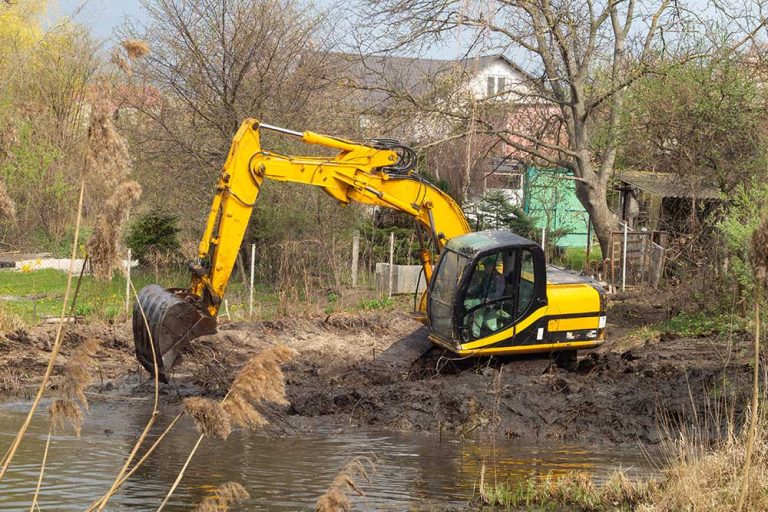
The Innovations Of Dredging Technology For Waterway Management
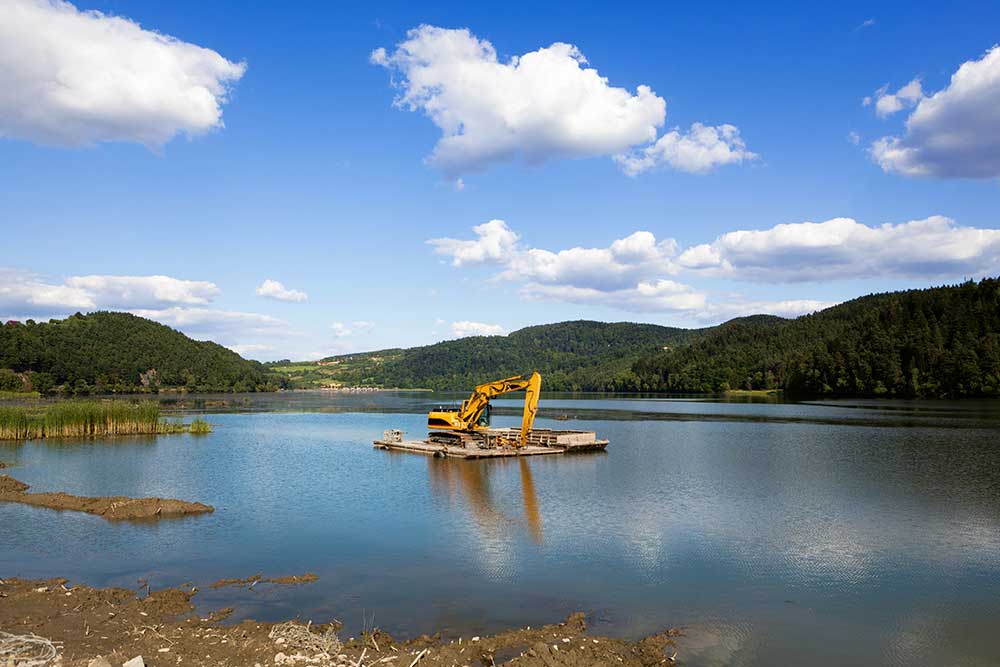
Dredging technology has evolved over time, offering new solutions for managing waterways and maintaining healthy aquatic environments. For lakes, rivers, or ponds, the latest dredging technologies have made the process more efficient, cost-effective, and environmentally friendly.
Here are some innovations in this technology, covering how they are transforming waterway management for better outcomes.
Advanced Dredging Equipment
One significant area of progress lies in the development of advanced dredging equipment. New hydraulic systems use high-pressure water to dislodge and transport sediment to designated disposal sites.
This method is especially effective for managing large volumes of fine material such as silt or clay. Many of today’s dredgers are also more fuel-efficient, quieter, and produce fewer emissions, contributing to a more sustainable approach.
The flexibility of modern dredging equipment has also expanded. Some systems are capable of integrating multiple techniques, including both hydraulic dredging and mechanical harvesting. This capability makes projects more adaptable to changing conditions and helps reduce the time and cost involved.
In addition, real-time sensors and GPS monitoring tools provide operators with continuous data. This helps maintain accuracy throughout the dredging process and allows for more precise adjustments as needed.
Hydraulic Dredging Technology
Hydraulic dredging has long played a central role in waterway management, and ongoing technological improvements have enhanced its overall effectiveness.
This method relies on water pressure to loosen and transport sediment, especially fine particles such as silt and mud, to designated disposal areas. It performs especially well in deeper bodies of water. For this reason, it’s a commonly selected approach for rivers and large lakes where other techniques may fall short.
One of the primary advantages of hydraulic dredging is the limited disruption it causes to the surrounding ecosystem. The process gently lifts sediment without disturbing larger underwater structures, including aquatic plants and fish habitats. This quality makes it a suitable and environmentally friendly method for projects focused on both restoration and conservation.
Recent innovations in hydraulic dredging have introduced more advanced pumps and suction systems. These improvements allow dredging teams to work more efficiently, completing tasks faster while reducing both operational costs and project downtime.
The result is a method that benefits not only aquatic environments but also the communities and organizations responsible for maintaining them.
Diver-Assisted Suction Harvesting
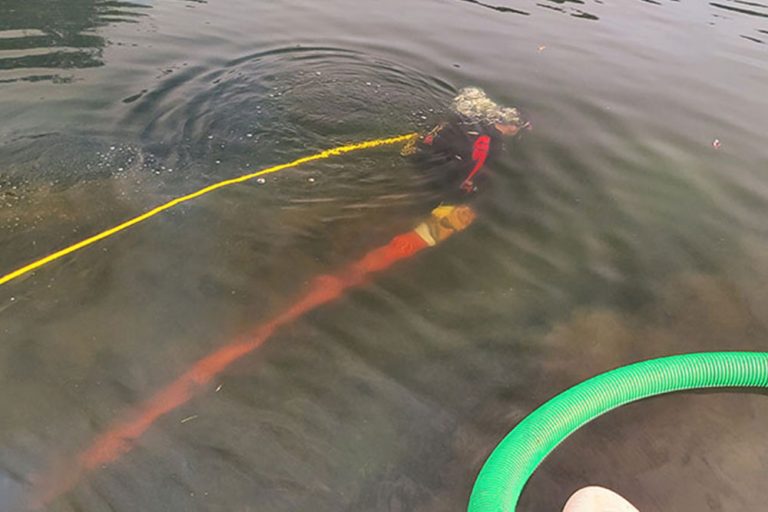
Diver-assisted suction harvesting brings a precise and environmentally considerate approach to dredging. This technique involves trained divers using suction hoses to remove unwanted vegetation and sediment directly from the pond or lake bed. It proves particularly useful in shallow zones or areas that traditional machinery may be unable to access effectively.
This method is commonly applied in situations where invasive species or excessive algae have begun to affect water quality and ecosystem balance. The diver-led approach allows for targeted removal of problem vegetation while leaving beneficial plants and surrounding habitats undisturbed. For this reason, it is often regarded as one of the most environmentally responsible dredging options available.
For property owners, environmental agencies, or aquatic management professionals seeking a sustainable method to control vegetation and sediment accumulation, diver-assisted suction harvesting presents a reliable and effective solution. Its selective nature helps maintain biodiversity while supporting long-term waterway health.
Mechanical Harvesting for Aquatic Vegetation
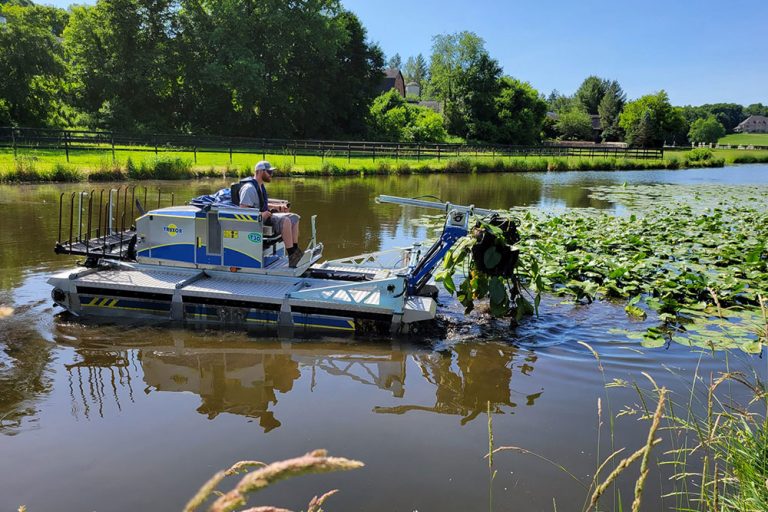
Mechanical harvesting has remained a reliable method for managing the growth of aquatic plants, and recent advancements have further increased its efficiency.
This approach uses specialized equipment designed to cut and collect vegetation from the water’s surface. It is particularly effective for controlling the spread of invasive species that may interfere with water quality and reduce ecological diversity.
Improvements in cutting and collection technology have made modern harvesters significantly more efficient. These machines are capable of removing large quantities of vegetation in a short time. This makes them well-suited for preserving water clarity and supporting healthy aquatic environments. The selective nature of the process allows it to target only unwanted plants while protecting the surrounding ecosystem.
The environmental benefits of mechanical harvesting go beyond plant removal alone. Clearing excess vegetation helps limit the risk of harmful algal blooms and contributes to maintaining a balanced aquatic system. With improved performance, today’s mechanical harvesters are able to complete vegetation control projects more rapidly and with fewer disruptions, resulting in cleaner, more stable waterways.
Hydro-Raking Technology
Hydro-raking offers a practical method for removing sediment and aquatic vegetation from shallow ponds and lakes. This technique uses a mechanical rake attachment to gather material from the waterbed, which is then collected and moved to a disposal site. It is particularly useful in areas where other dredging methods may be less effective due to limited depth or dense growth.
This approach is especially valuable in locations with soft sediment or significant plant buildup. Hydro-raking supports ongoing maintenance of small or shallow bodies of water and helps manage invasive species while preserving the surrounding natural balance. The ability to selectively remove targeted materials without disturbing the broader environment is one of the method’s key strengths.
Because hydro-raking avoids the use of heavy equipment and chemical treatments, it presents a low-impact solution that aligns well with sustainable water management goals. The method continues to grow in popularity as more property owners and waterway managers seek environmentally responsible techniques to maintain water quality and restore ecological balance.
GPS and Navigation Technology in Dredging
The incorporation of GPS and navigation systems into dredging equipment has significantly advanced the industry, offering greater accuracy and improved efficiency. These tools allow operators to monitor the exact position of dredging equipment. This helps them remain within designated boundaries and meet the specific requirements of each project.
Access to real-time navigation data enhances decision-making during active dredging work. Operators can monitor equipment location continuously and adjust their techniques as needed to improve productivity and control costs. The ongoing tracking process lowers the chance of errors and contributes to a more streamlined operation.
With the help of GPS and navigation tools, dredging teams are able to work with a higher degree of precision, which limits unnecessary disruption to aquatic ecosystems. This contributes to faster project completion and helps support the long-term health of surrounding natural environments.
The Future of Dredging Technology
Advancements in dredging technology continue to bring new opportunities to the field. Automation, artificial intelligence (AI), and robotics are expected to play an increasingly important role in how dredging projects are planned and executed. These innovations are paving the way for equipment that can operate with limited human input, leading to greater consistency and operational efficiency.
AI-powered systems are also enabling more accurate analysis of real-time data. This allows dredging professionals to fine-tune their strategies and improve outcomes while minimizing environmental impact.
Some systems are even capable of adjusting operations dynamically, responding to changes in sediment composition, water flow, or ecological sensitivity. Dredging operations are becoming more adaptive, scalable, and responsive to specific site conditions.
As these technologies continue to advance, they will help waterway management efforts become more sustainable and economically viable. The future of dredging is not only defined by efficiency but also shaped by growing environmental awareness and the demand for smarter, cleaner solutions. From predictive maintenance tools to autonomous control systems, each innovation brings the industry closer to a new standard of precision and sustainability.
Ongoing innovation promises to make dredging methods more precise, cost-effective, and environmentally responsible. Greater integration of data-driven decision-making is likely to further improve long-term outcomes for aquatic restoration and maintenance.
Let Us Help with Your Dredging Needs
At New England Aquatic Services, we specialize in pond hydraulic dredging services to help maintain and restore your waterway. With over 15 years of experience, we present expert solutions tailored to your needs.
Contact us today to learn more about how our advanced dredging technology can support your waterway management projects. Let us guide you through every step of the process to create a cleaner, healthier aquatic environment.