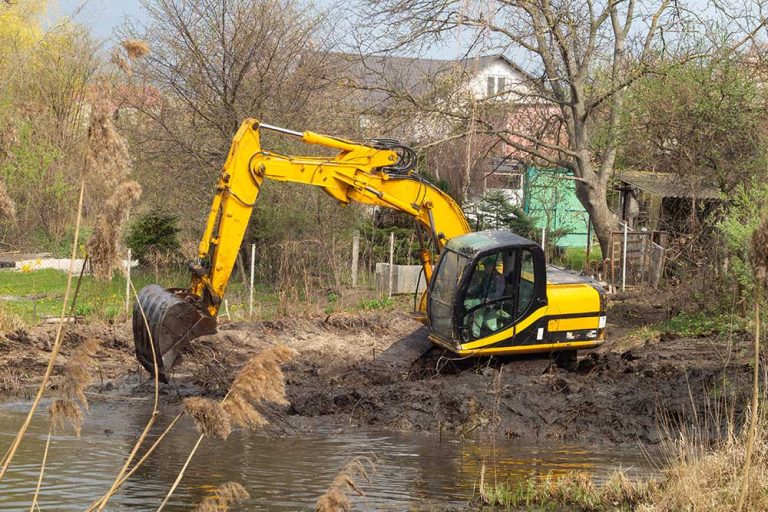
The Importance Of Hydraulic Dredging For Aquatic Maintenance

Hydraulic dredging plays a vital role in lake and pond upkeep. Over time, water bodies naturally accumulate sediment, muck, and organic debris. This build-up can affect depth, clarity, and overall aquatic health. By using hydraulic dredging, it becomes possible to restore water flow, improve aesthetics, and support long-term maintenance goals. Many property owners, municipalities, and environmental professionals rely on this technique to keep lakes and ponds functioning properly.
What Is Hydraulic Dredging?
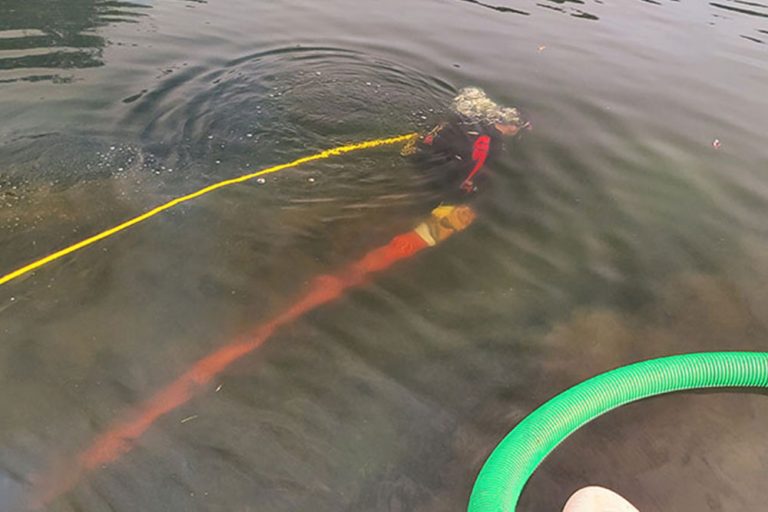
Hydraulic dredging is a sediment removal method that uses suction to pull loose material from the bottom of a water body. Unlike mechanical methods that scoop or rake, this process pumps material through a pipe to a disposal area. It works well in soft-bottomed areas, making it ideal for removing accumulated silt, algae, and organic sludge. The technique is popular because it can target specific zones without disturbing the surrounding ecosystem. It’s especially helpful when dealing with areas that have limited access for larger lake and pond equipment.
Why Sediment Build-Up Happens
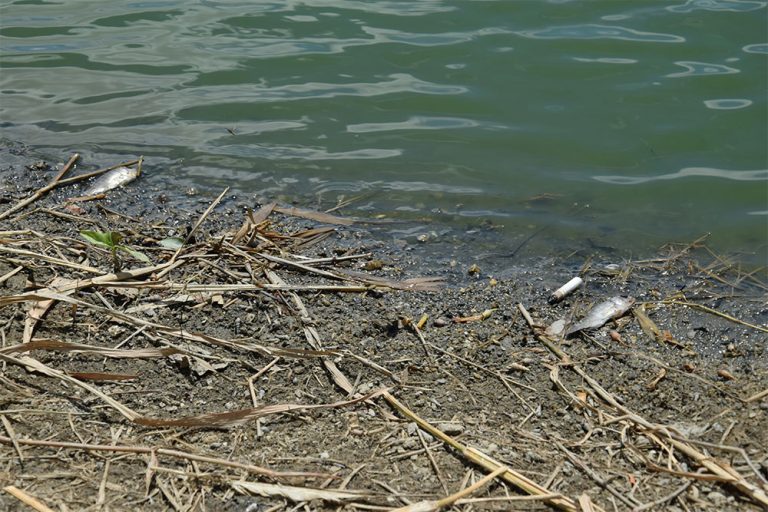
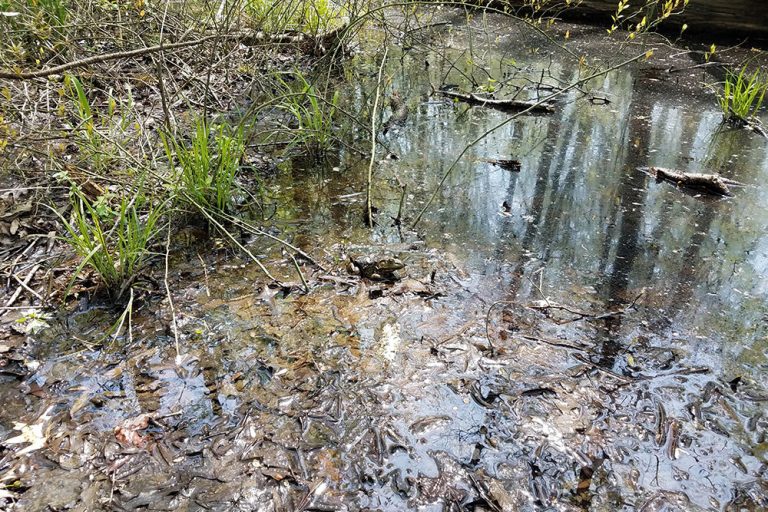
Sediment builds up in lakes and ponds due to natural and man-made sources. Runoff carries soil, leaves, and debris into the water. Dead aquatic plants and algae also settle to the bottom. Over time, this material collects and reduces the water depth. Shallower waters heat up faster and support more algae. This creates an unhealthy cycle that can harm fish and limit recreational use. If left alone, sediment layers can make a pond or lake unusable. Hydraulic dredging interrupts this cycle by removing the material before it becomes a bigger problem.
Benefits to Water Quality
One of the key advantages of hydraulic dredging is its impact on water quality. When sediment is removed, nutrient levels often drop. Phosphorus and nitrogen trapped in muck can feed algae blooms. By clearing these materials, the water becomes clearer and healthier. Improved depth allows sunlight to reach deeper layers, which supports plant growth in the right balance. It also helps oxygen move more freely through the water, benefiting fish and aquatic life. These changes make the ecosystem more stable and attractive for people to enjoy.
Helps Prevent Flooding
Sediment does more than reduce water depth—it can also block natural flow paths. This can lead to flooding after heavy rain. Lakes and ponds that are part of stormwater systems must maintain proper capacity to manage runoff. If they are filled with sediment, they can’t do their job. Hydraulic dredging clears out these channels and restores their holding power. That helps prevent overflow, erosion, and damage to nearby land. It’s a practical way to protect both the environment and nearby infrastructure.
More Precision, Less Disruption
Hydraulic dredging allows for targeted sediment removal. It’s operated from the water surface, so there’s little need to disrupt the shoreline. That’s a major advantage for residential areas, parks, and private properties where access is limited. The process is also less invasive for aquatic life compared to other methods. The use of hoses and pumps creates less physical disturbance than machines digging or dragging across the bottom. It’s a cleaner, more controlled process that works well for both small and large-scale projects.
Restoring Depth and Functionality
As sediment builds, a lake or pond slowly loses its shape and function. Shallow water areas increase, especially near the shoreline. This affects how the water body supports wildlife, recreation, and water management. Fish may have fewer places to thrive. Boating or swimming areas shrink. With hydraulic dredging, these problems can be reversed. Removing sediment helps return the original depth and shape. This not only looks better but also allows the water body to serve its intended purpose again.
Supporting Long-Term Maintenance
Hydraulic dredging fits well into a long-term aquatic management plan. It removes what cannot be treated by surface maintenance alone. When paired with other services like aeration or vegetation control, it extends the life of the water body. Regular inspections can spot early signs of buildup. By addressing these issues before they become worse, future maintenance becomes more manageable. A proactive dredging schedule avoids emergencies and reduces long-term costs. Lakes and ponds stay in better shape for longer periods.
A Good Fit for Many Types of Properties
From private estates to municipal parks, many property types benefit from hydraulic dredging. Golf courses, campgrounds, and retirement communities often rely on water features as part of their landscape. If these features are filled with muck or become stagnant, it reflects poorly on the entire property. Dredging brings back the clarity and health of the water, improving the visual appeal. For commercial properties, this can affect property value and public perception. Even small residential ponds can be dredged with the right equipment.
How We Approach Dredging at New England Aquatic Services
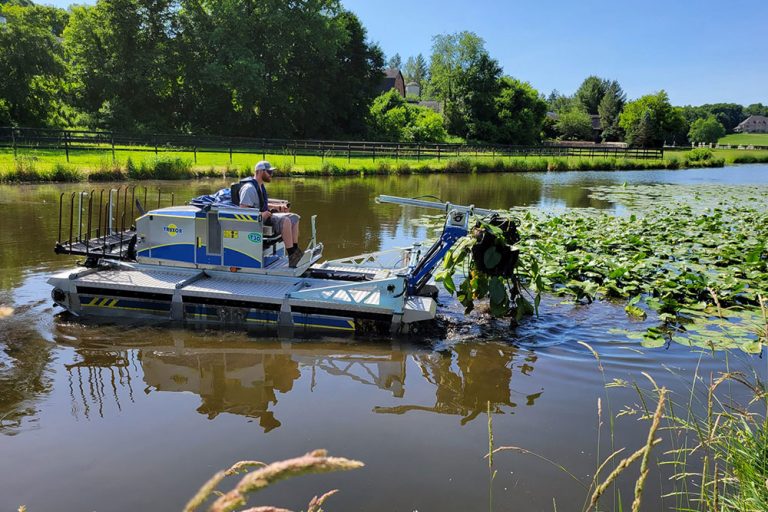
At New England Aquatic Services, we’ve spent over 15 years working with a wide range of lakes and ponds. We start by assessing your water body to understand the depth, sediment type, and access points. Then we recommend a hydraulic dredging plan that fits the condition of your site. Our equipment allows us to reach tough areas without damaging the shoreline or surrounding property. We also handle sediment transport and disposal in a clean, organized way. Each project is designed to improve water quality while protecting the ecosystem.
Why Our Clients Choose Us
Many of our clients return because we don’t take a one-size-fits-all approach. Every lake or pond is different. That’s why we combine hydraulic dredging with other techniques like hydro-raking, mechanical harvesting, or aeration when needed. We’re also known for long-term support. From the first consultation through ongoing care, we build strong working relationships. Clients trust us because we’re direct, responsive, and focused on getting results. We work throughout the Northeast and understand the challenges of maintaining aquatic systems in this region.
Schedule Your Assessment Today
Hydraulic dredging is more than just a cleanup job. It’s a smart, targeted method for restoring the health and function of your water body. If your pond or lake has become shallow, murky, or overgrown, this may be the right solution. At New England Aquatic Services, we’re ready to take a look and talk through the options with you. Reach out today to schedule an assessment and let us help you get your lake or pond back on track.