Suction Dredging For Pond Management: Key Components And Benefits

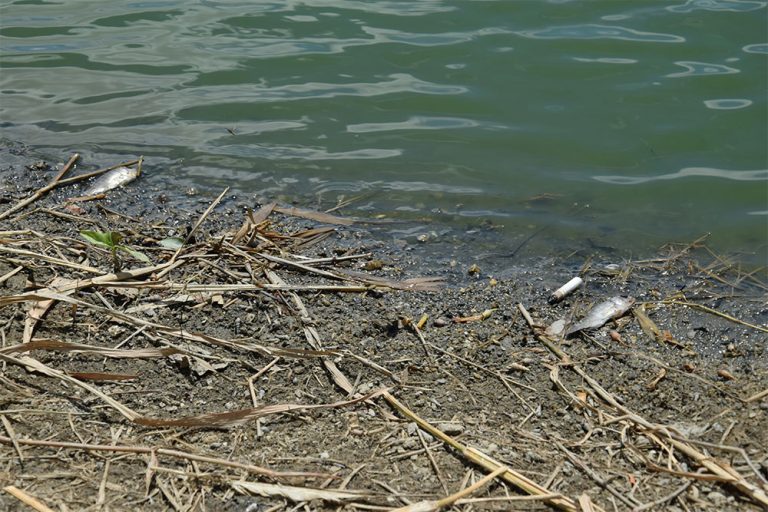
Pond and lakefront property owners face ongoing challenges in maintaining the beauty and health of their aquatic environments. Sediment buildup, invasive weeds, and harmful algae growth threaten water quality, reduce depth, and alter the ecosystem over time.
A proactive approach to these challenges involves implementing a precise and effective sediment removal method like suction dredging. This technique restores natural balance and improves water clarity while supporting a healthier aquatic environment.
Key Components of an Effective Dredging System
The success of any dredging project relies on high-quality equipment designed for sediment removal. A typical suction dredging system includes several key components:
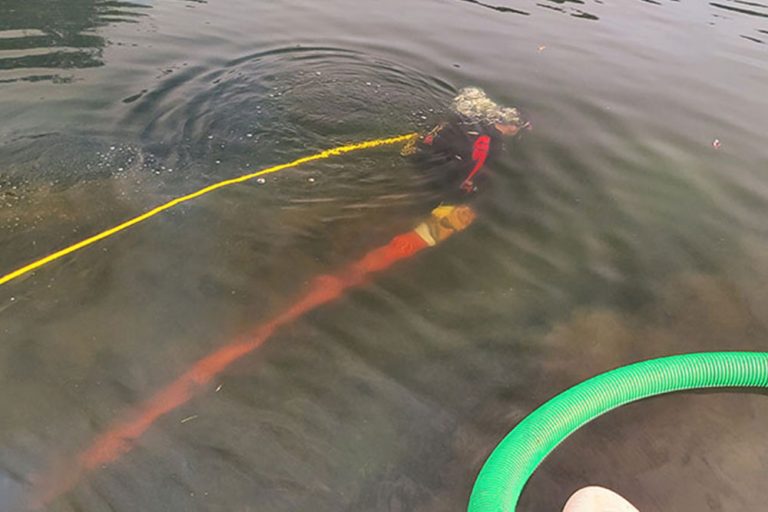
- Pump and engine: Provides the power needed to create a strong vacuum, moving sediment from the pond bottom through the dredge hose to a designated disposal site.
- Dredge head: This attachment is responsible for agitating and lifting the sediment, allowing the pump to easily suck it into the system without disturbing the surrounding water column.
- Hoses and floats: These hoses transport the slurry from the dredge head to the dewatering site while floats keep them suspended on the surface, preventing entanglement and maintaining mobility.
- Monitoring system: Operators can control the dredging depth and location with precision. This directs suction dredging to areas with the most buildup while protecting the pond liner and underlying geology.
Comparing Suction Dredging to Other Methods
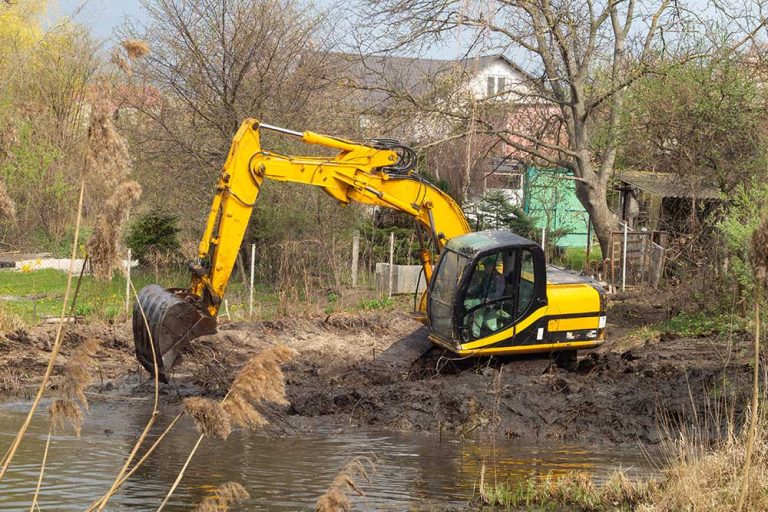
Suction dredging offers several distinct advantages over traditional methods like mechanical dredging, which uses large excavators and bulldozers to scoop out sediment. Traditional mechanical dredging often causes significant turbidity, disturbs wildlife habitats, and requires the complete draining of a pond, which presents a major inconvenience.
In contrast, suction dredging operates with minimal disruption to the aquatic ecosystem and allows for continuous water usage during the operation. This non-invasive method precisely targets specific areas of sediment buildup. The rest of the pond remains undisturbed, preserving the integrity of the shoreline.
Essential Equipment for Efficient Dredging Operations
Achieving the best results with a dredging project depends on having the right combination of specialized equipment and skilled operators. Besides the main pump, hoses, and dredge head, other tools improve the efficiency and safety of the operation.
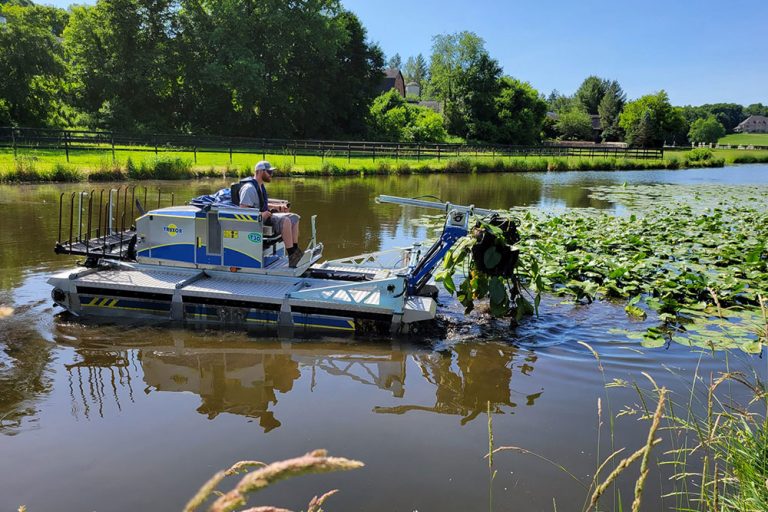
A durable work boat or barge provides a stable platform for the dredging equipment, allowing for easy movement across the water’s surface. GPS and sonar technology assist in creating a detailed map of the pond’s bottom and help operators to accurately target the areas with the most sediment accumulation.
Environmental Benefits of Proper Dredging Practices
Proper dredging practices offer significant environmental benefits. These practices remove nutrient-rich sediments that fuel invasive plant growth and harmful algal blooms.
- Habitat restoration: Removing excess sediment restores the natural depth of the pond. This creates a healthier habitat for fish and other aquatic wildlife while improving water quality.
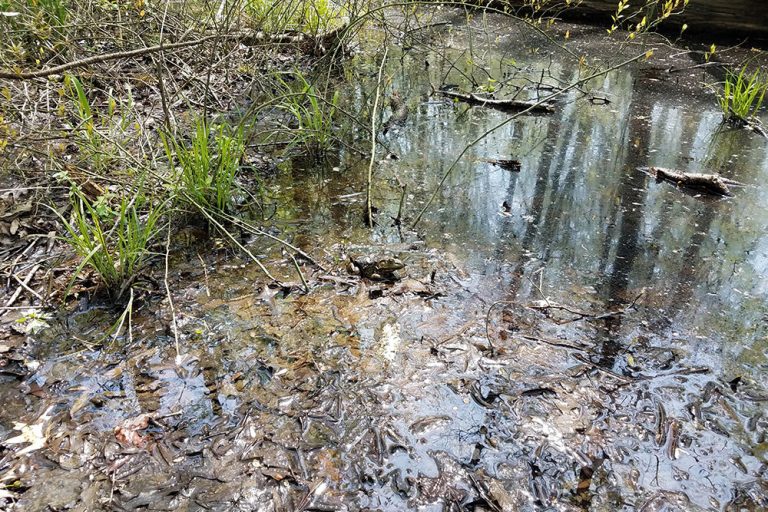
- Ecosystem balance: Dredging eliminates muck that supports undesirable vegetation. This allows native plants to thrive and helps re-establish a balanced ecosystem.
- Water quality: Removing phosphorus-rich silt and organic debris significantly improves water clarity and reduces the risk of oxygen depletion, benefiting all aquatic life in the pond.
- Shoreline stability: A professional dredging operation prevents further erosion. It also stabilizes the banks, preserving the pond’s natural beauty and reducing future sediment runoff.
Steps to Prepare a Pond for Dredging Work
Thorough preparation is a critical step for a successful dredging project. It helps minimize delays and promotes the safety of everyone involved. Waterfront property owners should follow several preparatory steps before the dredging crew arrives.
- Initial assessment: A professional team evaluates the pond’s sediment composition, depth, and the presence of any submerged structures or utility lines to create a detailed dredging plan.
- Permit acquisition: Property owners secure all required local, state, and federal permits for dredging activities. Obtaining permits prevents legal issues and aligns the project with environmental regulations.
- Site preparation: This step involves clearing a path for the equipment, creating a staging area for the dredge pump, and preparing a suitable location for the dewatering of the sediment.
- Public notification: Informing nearby residents and community members about the dredging schedule and possible disruptions helps manage expectations and maintain positive community relations.
Common Challenges in Suction Dredging Projects
Even with planning and proper equipment, suction dredging can encounter challenges that require experienced operators. Submerged obstacles such as old logs, rocks, or debris may clog the dredge head or damage the pump.
Improper handling of dewatered sediment can create environmental issues if not contained and disposed of correctly. Weather conditions, including heavy rain or strong winds, can slow the operation and affect crew visibility and safety.
Cost Factors to Consider Before Dredging
The cost of suction dredging depends on multiple variables. Larger ponds with significant sediment buildup require more time, labor, and equipment, which increases overall expenses.
The distance to the dewatering site also impacts cost, as longer transport adds to the project. Additionally, the type of sediment, ranging from soft muck to dense sand, affects the equipment needed and the duration of the operation.
Maintenance Tips for Prolonging Dredging Results
After a successful dredging operation, taking certain steps helps maintain the pond’s new depth and prevents the rapid return of sediment and unwanted vegetation. Installing a silt fence or a vegetative buffer along the shoreline helps slow down and filter runoff from nearby land, reducing the amount of new sediment entering the pond.
Regularly monitoring the pond for early signs of algae or weed growth allows for quick intervention and prevents a full-scale overgrowth from taking hold. Periodically checking the health of the pond’s ecosystem and implementing a regular maintenance schedule helps preserve the water quality for many years.
Regulations and Permits for Dredging Activities
Dredging a pond or a lake often falls under the jurisdiction of several regulatory bodies, including local conservation commissions and state and federal environmental agencies. These organizations create strict guidelines and require permits to make sure that dredging activities do not harm the surrounding environment or local wildlife.
The specific regulations and permit requirements vary depending on the project’s location, the size of the pond, and the type of dredging method used. Obtaining the necessary permits before starting any work is a legal requirement that protects property owners from fines. It also helps the project follow environmentally sound practices.
How Often Should You Dredge Your Pond
The need for pond dredging varies depending on several factors, such as pond size, depth, and the surrounding land use. Ponds that receive significant runoff from agricultural or urban areas tend to accumulate sediment more quickly and may require more frequent dredging.
Heavily wooded ponds also collect leaf litter and organic debris, which can increase the need for regular maintenance. A professional assessment of your pond’s unique characteristics, along with a review of previous dredging projects, helps determine the best schedule for future upkeep.
Choosing the Right Professionals for Dredging
- Experience and expertise: Look for professionals who possess a deep knowledge of different dredging methods and have experience working in your specific geographic area, including New England and the Tri-State region.
- References and reviews: A reputable company provides excellent references from past clients, demonstrating its commitment to quality work and customer satisfaction throughout the entire project.
- Equipment and technology: The right professionals use modern, well-maintained equipment and advanced technology to ensure efficient, precise, and environmentally friendly sediment removal.
- Permit assistance: A reliable dredging company guides you through the permitting process and helps the project comply with all local and state regulations from start to finish.
Get Pond Dredging Services by New England Aquatic Services
A beautiful, healthy waterfront property begins with clean, clear water and a well-maintained pond bottom. We offer premium pond dredging services and provide tailored solutions to restore your aquatic environment to its natural beauty. Our team delivers superior results using state-of-the-art equipment for all your pond management needs.
Look to our invasive weed removal experts in New England to help maintain your pond for many years after the dredging is complete. Contact New England Aquatic Services today to schedule a consultation.