Lake Silt Removal: What Are Your Options?

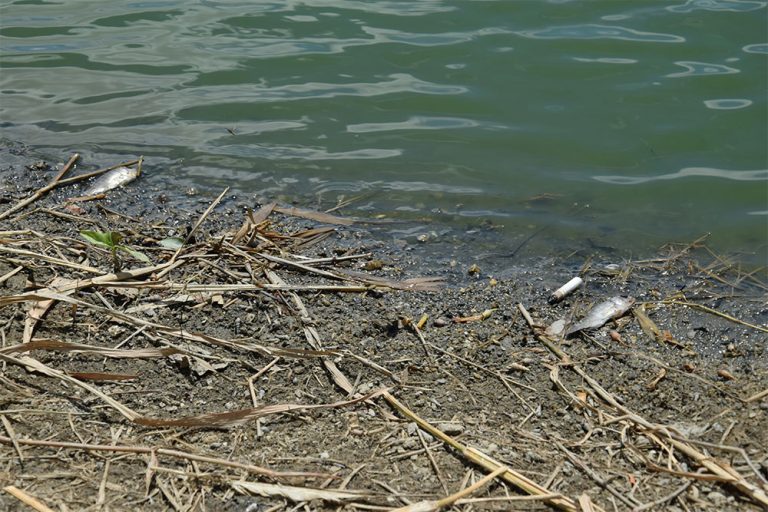
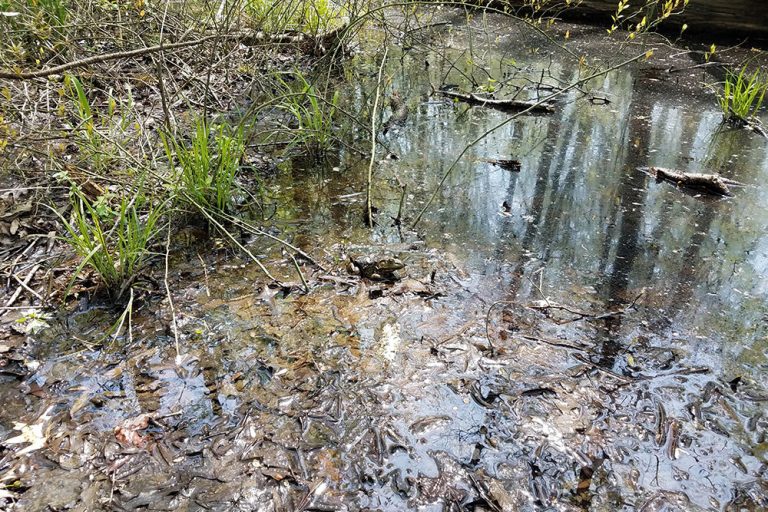
Sediment buildup from soil erosion and decomposed organic matter can create serious problems for lakefront homeowners. A thick layer of silt at the bottom reduces water depth and limits oxygen levels for aquatic life. This buildup also promotes invasive weeds and algae blooms, which make swimming and recreation less enjoyable.
Choosing the right lake silt removal method helps restore depth and improve water quality for a healthier ecosystem. Here are several options to consider.
Mechanical Dredging for Deep Sediment Removal
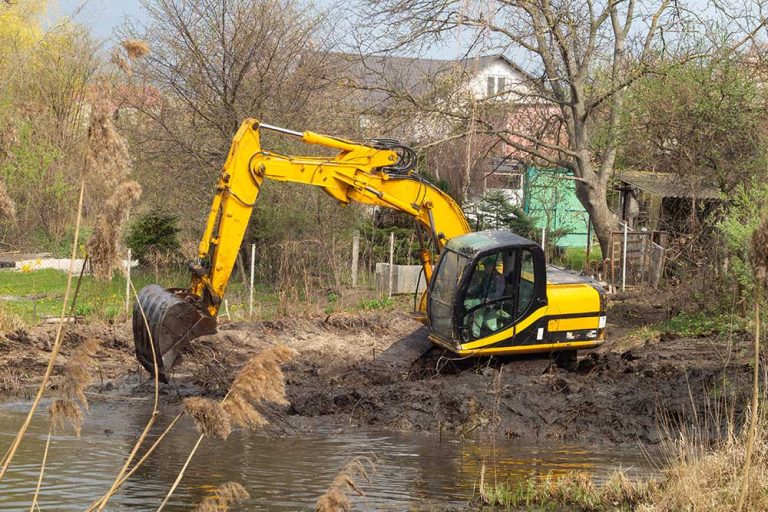
Mechanical dredging uses heavy machinery with a large bucket to scoop and remove deep sediment from the lakebed. This method is best for properties with severe silt buildup that need a complete deep cleaning.
The equipment clears large volumes of debris from deep water areas effectively. It restores the lake’s original depth and creates a clearer water column.
Hydraulic Dredging for Efficient Silt Extraction
Hydraulic dredging uses a high-powered pump to pull a mix of water and silt through a hose. It is highly effective for loose, fine-grain sediment in hard-to-reach spots. This process runs continuously – ideal for large-scale lake silt removal projects. It transfers material to a remote dewatering site with minimal disruption to the surrounding area.
Suction Dredging to Minimize Shoreline Disturbance
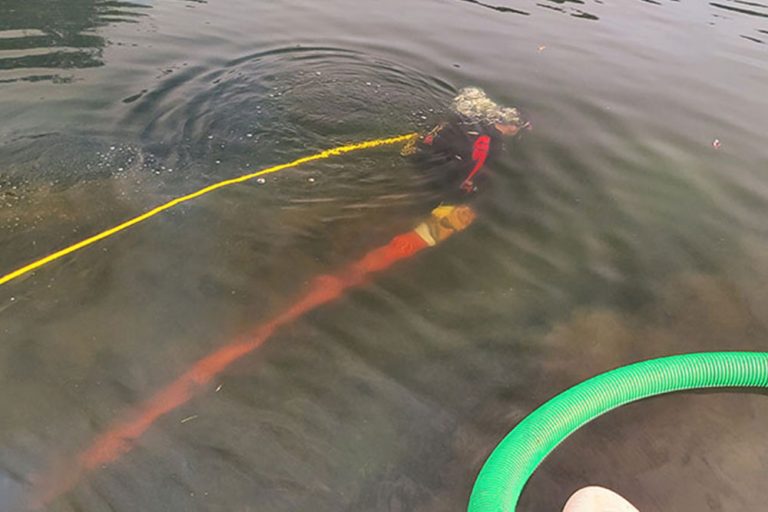
Suction dredging employs a specialized vacuum system to remove silt with minimal disturbance to the lake environment and surrounding shoreline. This technique is gentle and ideal for properties with a sensitive aquatic ecosystem or those located in residential areas.
The precise suction technology removes only the targeted silt without impacting the underlying natural sediment. This method helps preserve the existing fish habitats and maintain the integrity of the natural shoreline.
Hydro-Raking for Shallow Silt Accumulation
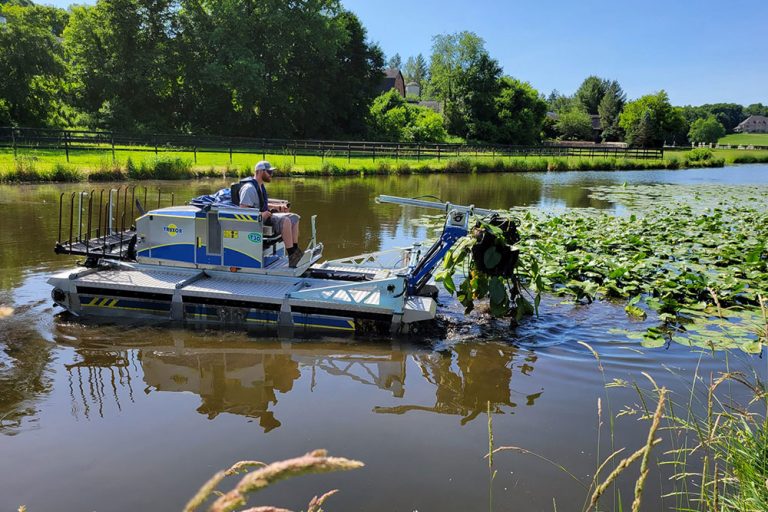
Hydro-raking uses a large floating barge equipped with an extended front rake to clear silt and loose debris from shallow lake areas. It works especially well in lakes with heavy vegetation and soft shoreline sediment.
The rake’s long tines pull up organic material and compacted silt from the lakebed. This process helps restore depth in coves and access points, keeping them suitable for swimming and boating.
Aeration Systems to Reduce Organic Buildup
Aeration systems pump oxygen into the water, accelerating the natural breakdown of organic materials and helping to prevent silt buildup. Diffusers placed on the lake bottom release streams of air bubbles that circulate the water and raise oxygen levels.
This oxygen boost supports beneficial microbes that decompose leaves and other organic debris settling on the lakebed. As a result, the formation of new silt slows, and the water remains healthier for fish and other aquatic life.
Silt Curtains to Contain Displaced Sediment
Silt curtains are floating barriers that keep disturbed sediment from spreading during dredging or other removal work. Placed around the project zone, they form a contained area that traps silt and stops it from drifting into the rest of the lake. This simple, effective barrier also helps protect sensitive areas downstream and ensures environmental regulations are met.
Dredge Spoils Recycling for Eco-Friendly Disposal
Recycling dredge spoils puts the removed silt and sediment to good use. Once dewatered and treated, the nutrient-rich material can become topsoil, fill, or the foundation for new wetland habitats nearby. Repurposing this material reduces waste, supports landscaping projects, and preserves the lake’s ecosystem.
Vegetative Buffers to Prevent Erosion
Planting native vegetation along the shoreline creates a protective barrier that prevents soil erosion and reduces the amount of new silt entering the lake. The deep root systems of these plants hold the soil firmly in place, stopping it from washing into the water during heavy rain or seasonal flooding.
These vegetative buffers also act as a natural filter, trapping pollutants, debris, and excess nutrients from surface runoff before they reach the water.
Over time, this method helps maintain water clarity, protect aquatic habitats, and slow the rate of sediment buildup on the lake bottom. In addition, it enhances the shoreline’s visual appeal and supports local wildlife.
Sediment Basins for Runoff Control
Sediment basins are constructed depressions designed to capture and hold water runoff from a watershed before it enters a lake. These basins act as a collection point where sediment settles out of the water before it gets released into the lake.
They effectively reduce the total amount of silt and other pollutants that enter the water body. This proactive solution helps to manage stormwater and prevents the long-term buildup of new silt on the lake bottom.
Dewatering Bags for Sludge Management
Dewatering bags offer a practical and contained method for separating dredged sediment from water during silt removal projects. The silt-and-water mixture is pumped into the bag, where gravity and filtration allow the water to drain out while trapping the solids inside.
The filtered water flows back into the lake in a cleaner state, while the volume of sludge inside the bag is significantly reduced. This concentrated material is then easier to handle, transport, and dispose of in an environmentally responsible way.
Dewatering bags are particularly useful for sites with limited space or where minimizing environmental impact is a priority.
Biological Additives to Break Down Debris
Enzyme- and bacteria-based biological additives can speed up the natural breakdown of organic debris in lakes and ponds. These products are applied directly to the water, where they work at the sediment layer to consume decaying plant matter before it compacts into silt.
By accelerating this decomposition process, they help maintain open water depth and reduce the need for mechanical dredging in the future. Because they are safe, non-toxic, and environmentally friendly, biological additives can be part of a sustainable lake management plan that supports healthy aquatic life and long-term water clarity.
Excavator-Based Removal for Targeted Areas
An excavator, either operating from land or mounted on a floating barge, offers precision in removing silt from specific problem spots. This method is especially effective in smaller ponds, marinas, or narrow coves where other dredging techniques may be less efficient.
With its extended reach, the excavator can carefully remove sediment from around docks, boat ramps, and shoreline structures without disturbing nearby habitats. This focused approach reduces unnecessary disruption while restoring function and depth exactly where it is most needed.
Water Injection Dredging for Sensitive Zones
Water injection dredging uses high-pressure water jets to loosen and suspend sediment on the lakebed, allowing natural currents to carry the silt away. It is particularly effective for fine-grained sediment and performs best in areas with an active current.
Because the process is gentle and causes minimal disruption to the lake bottom, it is well-suited for environmentally sensitive zones. This method restores depth and improves water flow without the need for heavy machinery.
Long-Term Monitoring to Prevent Reaccumulation
A post-dredging monitoring plan helps maintain lake depth, prevent sediment buildup, and support long-term ecological health. This involves routine water quality testing and bathymetric surveys to measure changes in depth and silt accumulation.
The information gathered guides property owners in making strategic decisions about ongoing maintenance and future interventions. By taking this proactive approach, the investment in silt removal is protected, and the lake’s beauty is preserved for years to come.
Restore Your Waterfront Property with New England Aquatic Services
You feel ready to restore your waterfront property’s natural beauty and get rid of unwanted aquatic weeds. New England Aquatic Services offers professional lake weed removal services to waterfront homeowners and lake associations across the New England and Tri-State areas.
We also provide professional and comprehensive pond hydraulic dredging services in the Tri-State area to restore the depth and health of your water body. Contact our team today for an effective and long-lasting solution to your aquatic needs.