How Much Does Pond Dredging Cost?
When property owners consider improving water quality or restoring depth, one of the first questions that comes up is the pond dredging cost. While there’s no one-size-fits-all price, understanding the factors that influence cost can help you make informed decisions when planning your next project.
At New England Aquatic Services, we’ve spent over 15 years working with ponds and lakes of all sizes. From diver-assisted suction harvesting to full-scale mechanical dredging, we’ve seen firsthand how each site presents unique challenges and variables.
Here’s a detailed breakdown of what affects cost and how you can better prepare.
What Is Pond Dredging?
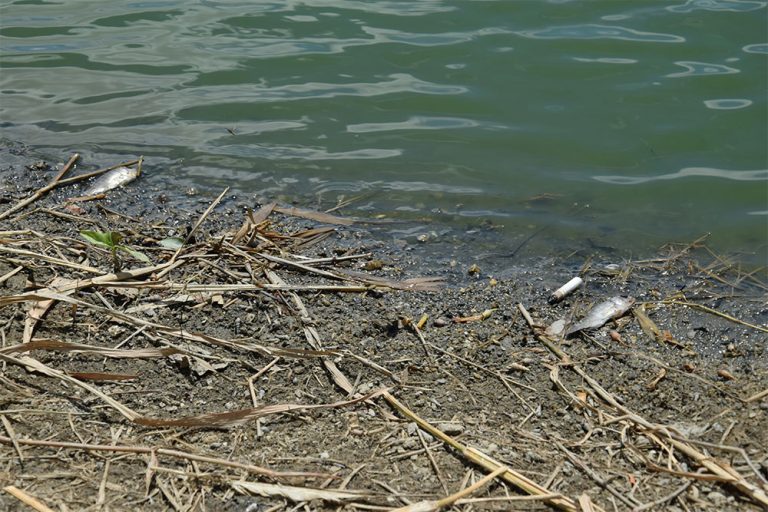
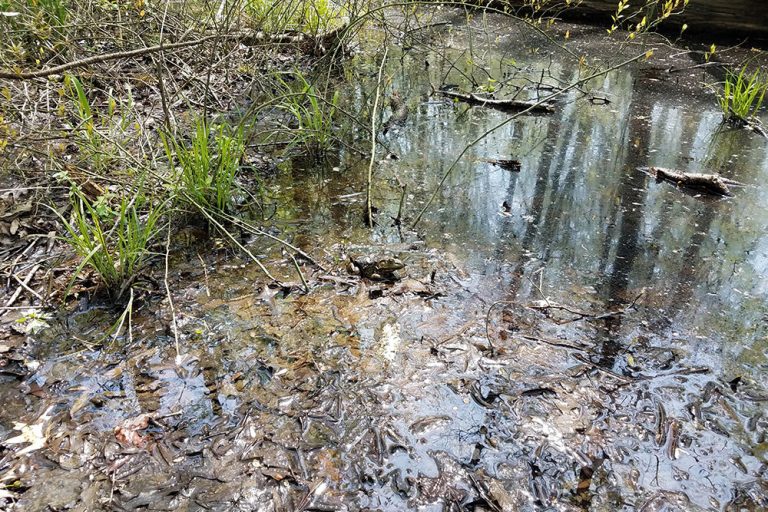
Pond dredging refers to the removal of accumulated sediment, decaying organic matter, and debris from the bottom of a pond. Over time, these materials build up naturally, reducing water depth, clouding clarity, and disrupting the ecological balance.
Shallow areas can become stagnant, oxygen levels may drop, and aquatic habitats often suffer as a result. Dredging restores depth, improves circulation, and supports healthier conditions for fish, plants, and recreational use by removing this buildup.
This process is especially valuable for ponds serving irrigation systems, livestock, or scenic features on residential or commercial properties. When done correctly, dredging enhances both function and appearance and lays the groundwork for long-term aquatic health.
Key Factors That Affect Pond Dredging Cost
Size and Depth of the Pond
The overall dimensions of the pond play a significant role in determining cost. Most dredging estimates are based on the volume of material removed, measured in cubic yards.
A larger surface area combined with greater depth increases the amount of material to be extracted, extending the time, labor, and logistical support needed. For example, dredging a one-acre pond to a three-foot depth can involve nearly 4,800 cubic yards of material.
Larger projects may also require multiple pieces of equipment, temporary staging areas, and longer disposal operations. In some cases, more than one dredging technique may be necessary to accommodate different zones within the same pond, further influencing cost and project duration.
Sediment Volume and Type
The type of material sitting at the pond bottom has a direct impact on both the method used and the effort required. Loose organic muck is generally easier and less expensive to remove, while compacted silt, clay, or debris may require more robust equipment.
In some instances, sediment may contain contaminants that require special handling or regulated disposal, which increases cost and planning complexity.
Material that is heavier or more consolidated takes longer to extract and may need specialized attachments or additional passes. Sediment testing during the planning phase can help identify the physical and chemical composition. This allows for more accurate cost forecasting and method selection for optimal removal.
Dredging Method Used
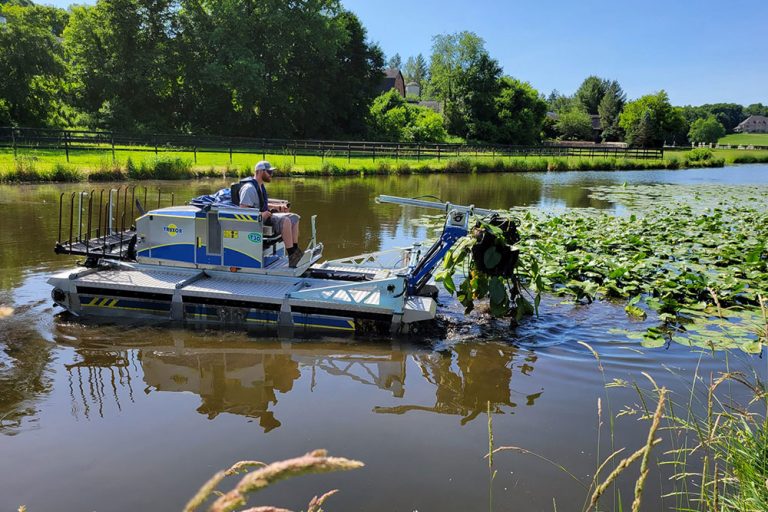
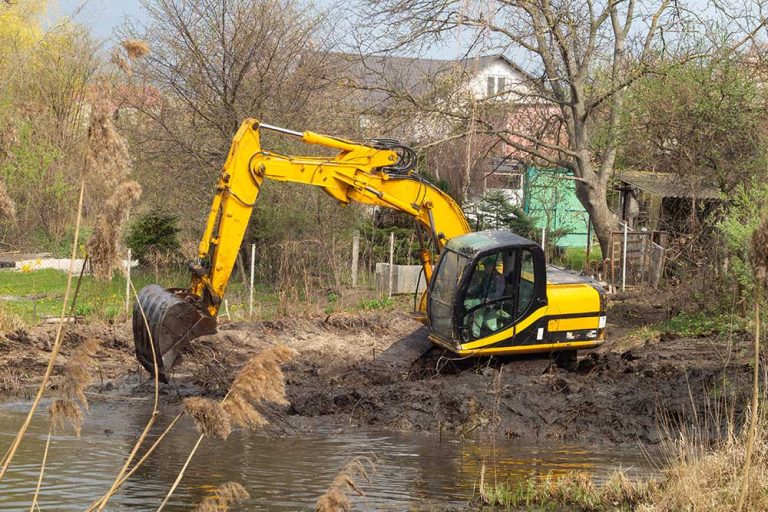
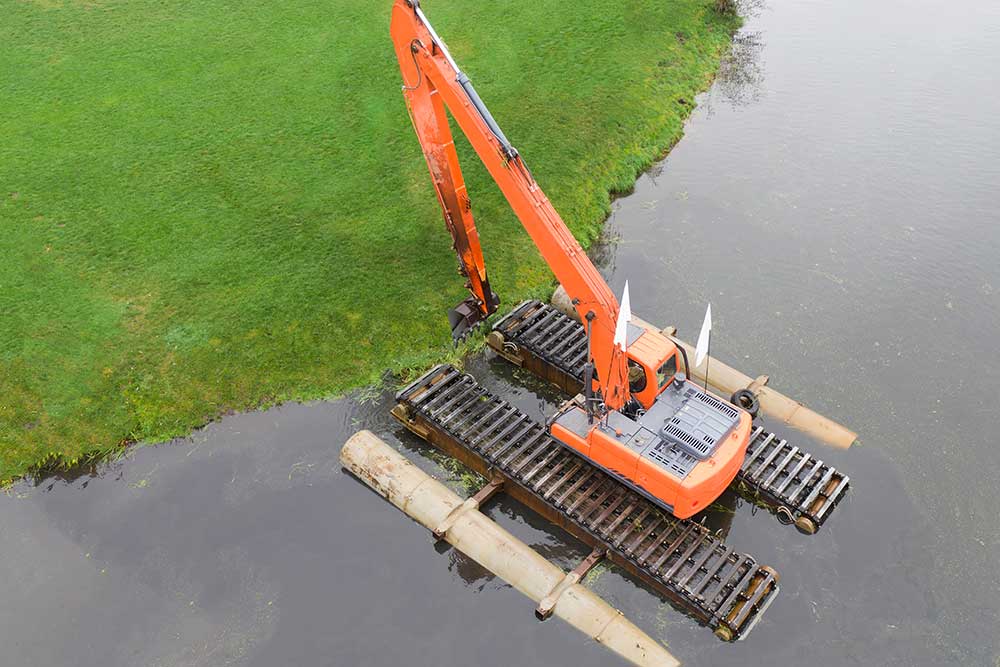
Different techniques come with different pricing structures. Mechanical dredging typically involves draining the pond and using excavators or barges, suitable for larger ponds with good land access.
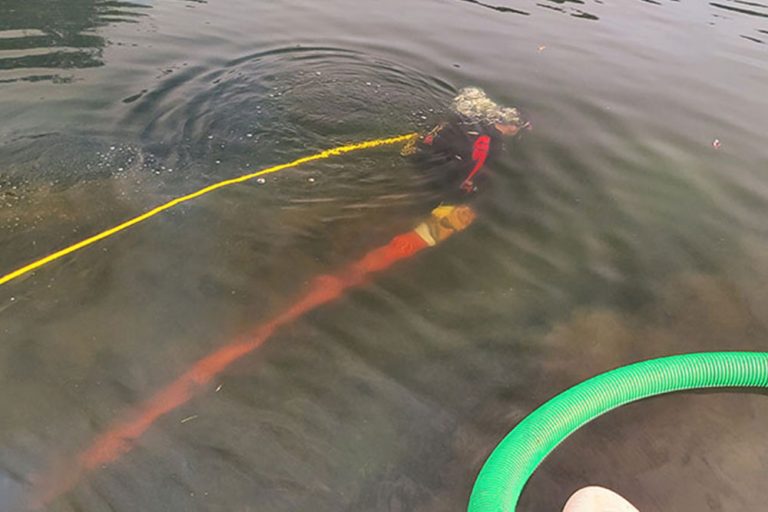
Hydraulic dredging uses floating pumps and pipelines to move sediment from deeper waters and can be more efficient for large volumes, though it includes higher setup costs. Diver-assisted suction harvesting is a precise method ideal for small or sensitive environments. The best method depends on site conditions, goals, and available budget.
Accessibility of the Site
Limited access can raise the cost of mobilization and influence the type of dredging technique that can be used. Sites with steep grades, wooded surroundings, or proximity to residential areas may require smaller-scale equipment or creative solutions to avoid unnecessary disruption. Additional expenses may include the construction of temporary roads or access paths.
Disposal of Dredged Material
What happens to the sediment after it’s removed is another major cost factor. If the material can be dried and spread on-site, this tends to be the most budget-friendly option. However, in some situations, sediment must be trucked to a nearby disposal site or even taken to a landfill, both of which involve transportation and tipping fees.
Permitting and Environmental Compliance
Most dredging projects require permits from local or state agencies. These permits may involve application fees, ecological surveys, or coordination with conservation commissions.
Some areas also require wetland assessments or mitigation planning. Project timelines can be affected by permitting delays, which makes early application and compliance planning an important part of the budget.
Typical Pond Dredging Cost Ranges
While prices can vary widely, here’s a general idea of what you might expect. A small pond under half an acre typically ranges from $20,000 to $50,000. Medium ponds between half an acre and one acre can range from $50,000 to $100,000. Larger ponds, over an acre, often start around $100,000 and increase depending on complexity and depth.
These are ballpark figures, and the final costs depend on all the factors mentioned above.
Why Dredging Is Worth the Investment
Many ponds suffer from sediment buildup over time, reducing depth and creating stagnant, weed-filled environments. Dredging improves water circulation, supports aquatic life, and extends the life of the pond. It can also enhance property value and usability for fishing, swimming, or irrigation.
At New England Aquatic Services, we’ve worked with property owners who were amazed at the transformation after dredging. In many cases, restoring a pond breathes new life into the surrounding landscape and eliminates long-standing water issues.
How We Approach Cost Planning
When a client contacts us about dredging, we start with an on-site evaluation. We measure sediment depth, assess access points, and review environmental conditions. Based on this, we recommend the most effective method and develop a transparent estimate.
We believe it’s important to guide each property owner through the budgeting process with realistic expectations. By discussing all options early, we help clients make decisions that match both their goals and finances.
Budgeting for Pond Dredging
Understanding pond dredging costs starts with identifying the scope of your needs. From size and sediment type to access and disposal, each element plays a role in shaping your budget.
If you’re considering a dredging project, we’re here to help you evaluate your options and create a plan that works for your property. With over 15 years of experience in pond and lake management, our team brings the knowledge, tools, and commitment needed for successful outcomes, no matter the size or complexity of your pond.