Effective Hydrilla Removal Options For A Clearer Waterway
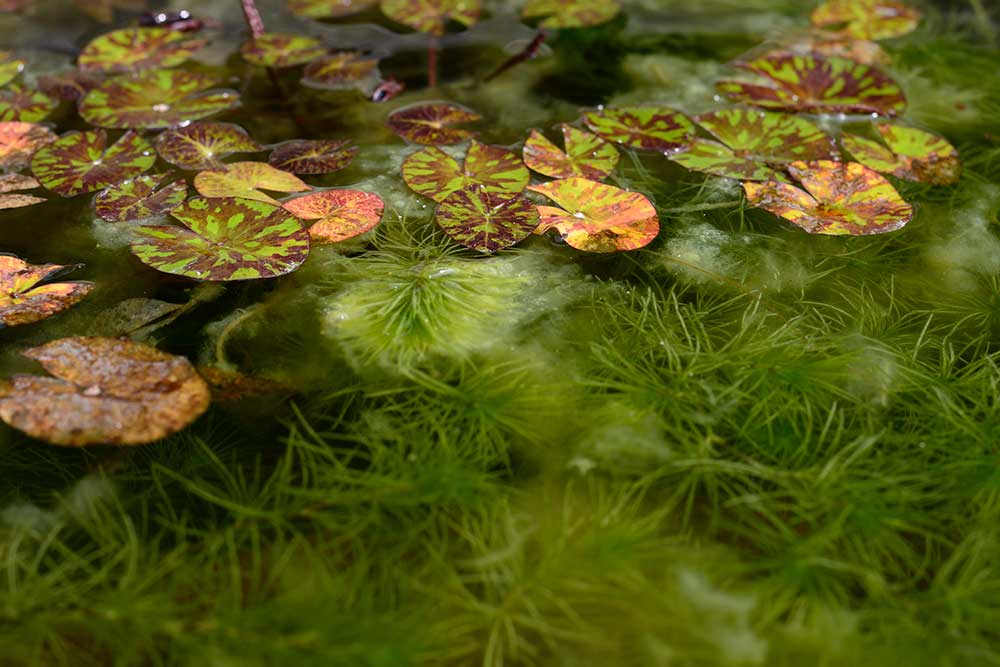
Hydrilla is one of the most aggressive invasive aquatic plants found in ponds, lakes, and waterways. Once it takes hold, it grows quickly, spreading across the bottom and forming dense mats at the surface. These mats block sunlight, limit oxygen levels, and make recreational use of the water nearly impossible.
Left unchecked, hydrilla can crowd out native vegetation and alter the balance of the entire ecosystem. We will break down the most effective hydrilla removal options, explain how they work, and help you decide which strategy may be right for your waterway.
Understanding Hydrilla and Its Impact
Hydrilla is notoriously difficult to manage due to its aggressive growth and multiple reproduction methods. It spreads through fragments, tubers, turions, and seeds, which means even a small piece can drift, settle, and develop into an entirely new colony. Tubers buried in pond sediment can remain dormant for years, then sprout when conditions become favorable.
This adaptability allows hydrilla to outcompete native aquatic plants, alter habitats, and interfere with recreational activities such as swimming, boating, and fishing. Dense mats of hydrilla restrict water flow, reduce circulation, and can contribute to stagnant conditions that lower oxygen levels, stressing fish and other aquatic life.
Because hydrilla spreads so aggressively, removal needs to be more than a quick fix. The best strategies start with immediate removal to address the current infestation. Ongoing long-term control is then applied, using a combination of mechanical, biological, and chemical methods. This integrated approach helps maintain healthy, functional waterways and reduces the likelihood of hydrilla regaining dominance.
Mechanical Harvesting
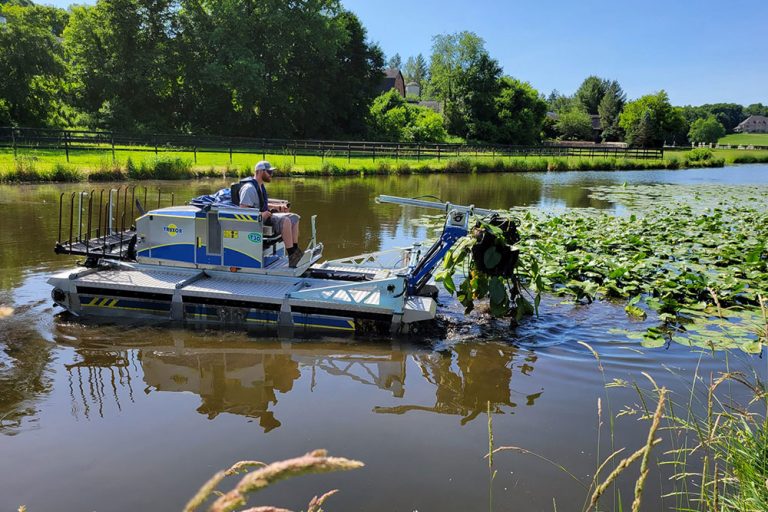
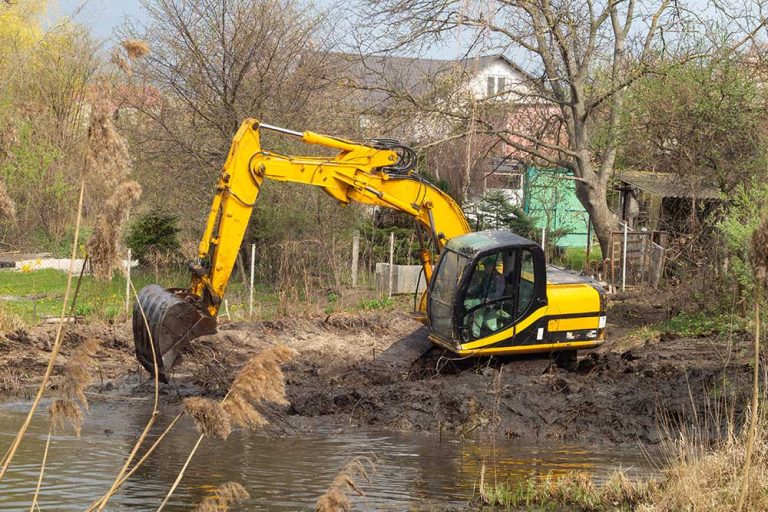
Mechanical harvesting is a widely used method for controlling hydrilla in larger ponds, lakes, and waterways. This technique employs specialized aquatic machines designed to efficiently cut, gather, and remove plant material from the water. Harvesters feature underwater blades that slice through dense hydrilla stems. On the other hand, conveyor systems lift the cut vegetation onto the machine for safe disposal on land, preventing additional spread.
The benefits of mechanical harvesting are immediate and highly visible. Thick mats of hydrilla that obstruct boating channels, swimming areas, or fishing spots can be removed quickly, restoring access and usability. This process also reduces overall plant biomass and limits decomposition that would otherwise release nutrients and contribute to faster aquatic plant regrowth.
While mechanical harvesting produces rapid results, it does not completely eradicate hydrilla. Small fragments left behind can drift and re-establish new colonies, meaning this method is best considered a short- to mid-term solution.
For long-lasting control, mechanical harvesting is most effective when combined with other strategies such as diver-assisted suction harvesting, hydro-raking, or biological treatments to manage regrowth and support a healthier aquatic ecosystem.
Diver-Assisted Suction Harvesting (DASH)
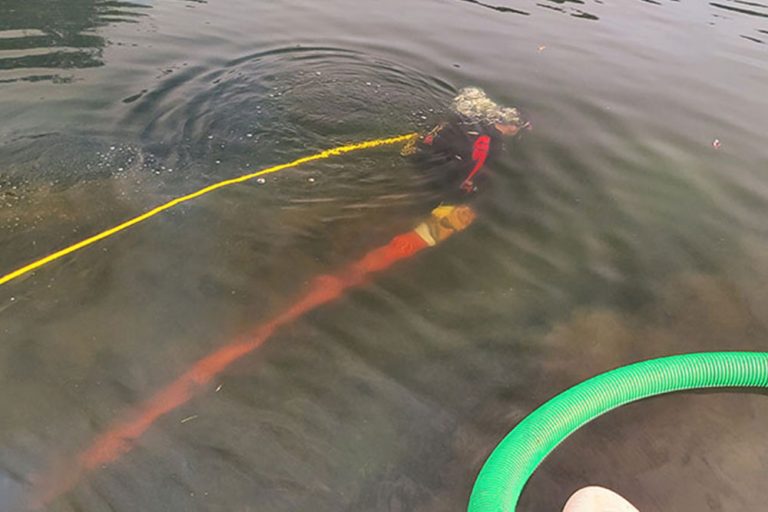
For targeted hydrilla removal, diver-assisted suction harvesting (DASH) is a highly effective option. This method uses divers who carefully pull hydrilla from the sediment, making sure to extract the roots whenever possible. The plants are then vacuumed through a hose to a surface boat, where they’re collected for disposal.
The advantage of DASH is precision. Divers can focus on heavily infested zones, shorelines, or sensitive areas where machinery isn’t practical. By removing the entire plant, including its root system, the chances of regrowth are significantly reduced compared to surface cutting. DASH also prevents fragments from floating freely, since the suction system collects material as it’s removed.
This method is labor-intensive and best suited for smaller infestations or areas requiring careful management. We often recommend DASH for clients who want to restore balance without disturbing other aquatic vegetation or wildlife in the process.
Hydro-Raking
Hydro-raking is another effective mechanical method for hydrilla removal, especially in shallow or moderate-depth areas. A hydro-rake is a barge-mounted machine with large, claw-like rakes that pull vegetation and root material from the sediment. Unlike surface harvesters that simply cut hydrilla, hydro-rakes lift whole plants and rhizomes, reducing the potential for regrowth.
This technique is particularly useful when hydrilla has formed dense mats close to the shoreline, where it interferes with fishing or swimming. Hydro-raking also removes organic debris such as muck, leaves, and decaying plants, which contributes to clearer water and improved oxygen levels.
While hydro-raking provides longer-lasting results than surface harvesting, hydrilla can still return from deep tubers or overlooked fragments. For this reason, hydro-raking often works best as part of an integrated management plan that may include biological or chemical tools.
Herbicide Treatments
Aquatic herbicides are frequently used as part of comprehensive hydrilla management programs, particularly for large or densely infested waterways.
When applied by licensed professionals, these treatments specifically target hydrilla while minimizing effects on native plants, fish, and other aquatic life. Different herbicides are formulated for hydrilla control, with some acting on contact and others working systemically to move throughout the plant, attacking it from root to tip.
Herbicides offer the advantage of treating widespread infestations across expansive or hard-to-reach areas that mechanical methods cannot access efficiently. This approach can provide longer-lasting control and help reduce regrowth over time.
Successful application requires careful planning, strict adherence to state and federal regulations, and thoughtful consideration of water use, including irrigation, recreational access, and drinking water restrictions. Properly integrated into a larger management plan, herbicide treatments can be a powerful tool for maintaining healthy, balanced waterways.
Biological Control Options
Biological control is a natural approach to hydrilla management that introduces species capable of reducing hydrilla growth. One of the most widely used biological tools is the triploid grass carp — a sterile fish that feeds heavily on hydrilla and other aquatic vegetation. In the right setting, these fish can reduce hydrilla populations significantly over time.
The benefit of biological control is sustainability. Once introduced, grass carp continue to graze for years, helping limit hydrilla regrowth without ongoing mechanical or chemical treatments. However, they are not selective feeders and may also consume desirable native plants. Stocking grass carp requires permits and careful population management to balance their impact.
In addition to fish, research continues into insects and pathogens that target hydrilla specifically. While these methods are less common today, they may become more viable as long-term, environmentally friendly tools in the future.
Integrated Management Approach
No single hydrilla removal method provides a permanent solution. Hydrilla reproduces through multiple pathways, including fragments, tubers, turions, and seeds, allowing it to spread rapidly and persist in waterways. Long-term success depends on an integrated management approach that combines mechanical, biological, and selective chemical techniques to maintain open, healthy, and balanced aquatic environments.
For instance, mechanical harvesting or hydro-raking can quickly clear dense mats and reopen water channels for recreation or flow. On the other hand, biological control methods, such as introducing sterile grass carp, help limit regrowth over time.
Targeted herbicide applications may be used to treat areas that remain heavily infested. This approach adds an additional layer of control and helps maintain long-term ecosystem health.
Effective Hydrilla Removal
Hydrilla is one of the most challenging invasive plants to control, but with the right strategy, it doesn’t have to take over your pond, lake, or waterway. From mechanical harvesting and hydro-raking to diver-assisted suction harvesting, herbicides, and biological control, there are multiple hydrilla removal options to consider. The best results often come from combining these tools into a long-term management plan that fits the unique needs of your waterbody.
At New England Aquatic Services, we treat every pond and lake as if it were our own. Our science-based, environmentally friendly methods are designed to restore balance while giving you back clear, healthy water. If you’re struggling with hydrilla and want lasting results, contact us today to discuss your options.