Cattail Removal Methods For A Healthier Pond
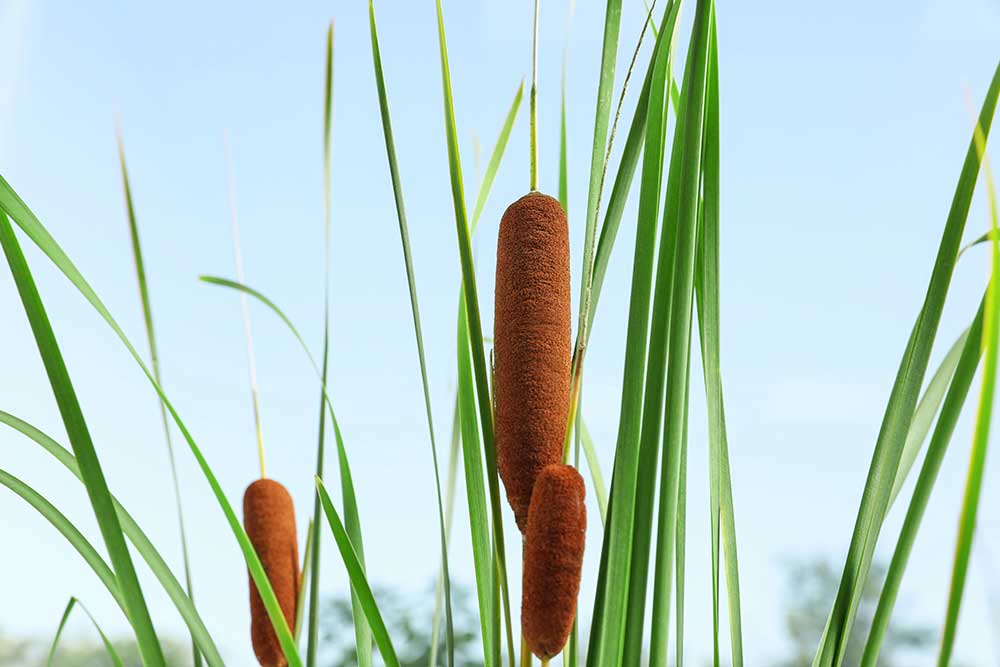
Cattails are one of the most recognizable plants in ponds and wetlands. Their tall stalks and distinctive brown seed heads may appear charming initially, but these plants often grow faster and spread farther than most pond owners anticipate.
When cattails dominate the shoreline, they reduce open water, limit recreational use, and disrupt the natural balance of the pond. Over time, unchecked growth can transform a once-clear pond into a marshy area that is difficult to enjoy.
For many property owners, cattail removal becomes an essential step toward restoring water clarity, improving habitat diversity, and reclaiming usable space. At New England Aquatic Services, we have seen firsthand how cattail infestations impact ponds across the region.
With more than 15 years of experience in aquatic management, we have developed methods that not only address cattails but also enhance long-term pond health. In this guide, we will explain the most effective cattail removal strategies and how they contribute to a balanced pond ecosystem.
Why Cattails Become a Problem
Understanding how cattails grow helps explain why removal is often necessary. Cattails thrive in shallow, nutrient-rich water, spreading rapidly through underground rhizomes. A single patch can expand year after year, eventually forming dense walls of plants along the shoreline. What begins as a few scattered shoots can quickly take over an entire pond edge.
Although cattails provide some ecological benefits, such as erosion control and nesting areas for birds, their rapid spread usually outweighs these advantages in managed ponds. Thick cattail stands trap sediment and organic debris, accelerating the process of pond succession. This natural process slowly fills in open water, turning a pond into marshland much faster than it would otherwise.
Cattails also interfere with human use. They limit swimming, fishing, and boating access, and can block water flow near docks or inlets. In winter, dead stalks remain unsightly and contribute additional organic matter as they decompose. Removing cattails is therefore a vital step in pond management, helping restore functionality and aesthetics.
Physical Cattail Removal
One of the most straightforward ways to address cattail growth is through physical removal. This process can be done manually or mechanically, depending on the size of the infestation.
Cutting the plants below the waterline is a commonly used method, since cattails rely on their leaves to carry oxygen to their root system. When stems are cut and submerged, the roots often suffocate and die back over time.
Hand tools such as cutters, shears, or rakes are effective for smaller ponds or for owners who want to target specific patches. This type of manual removal can create an immediate improvement in the pond’s appearance and help reopen sections of shoreline. However, it does require persistence — cattails have tough rhizomes that may regrow if not addressed repeatedly.
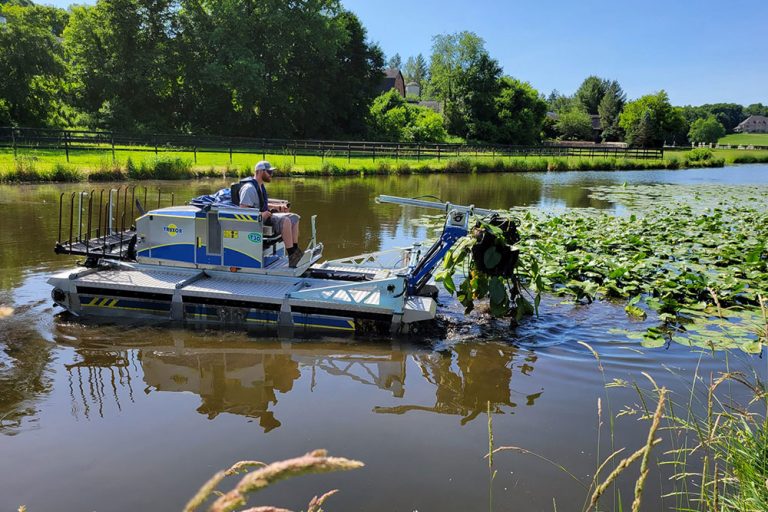
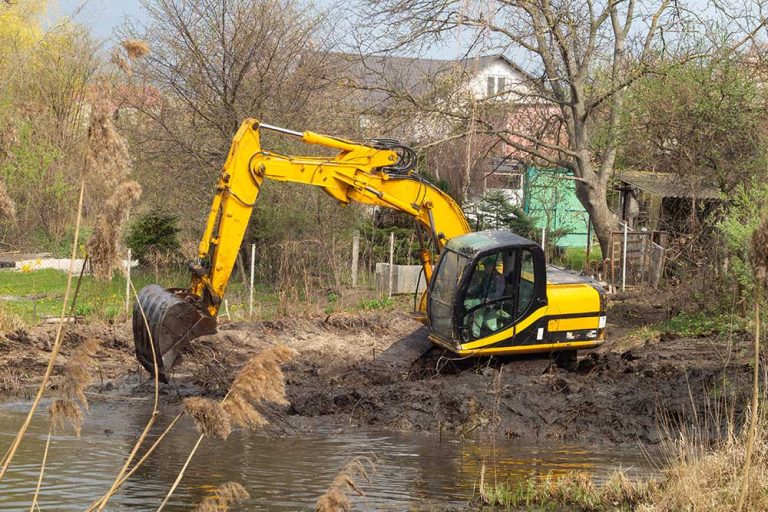
For larger ponds or heavy infestations, mechanical removal offers a more efficient solution. Machines designed for aquatic vegetation can cut and clear broad sections quickly.
Hydro-Raking for Cattail Control
Hydro-raking is an especially effective technique for dense cattail infestations. Unlike surface cutting, hydro-raking targets the entire plant structure, including thick rhizomes beneath the water. This makes it an excellent long-term solution for ponds where cattails dominate large areas and threaten both aesthetics and ecological balance.
A hydro-rake is a floating, barge-mounted machine equipped with mechanical rakes that reach the pond bottom. As it moves through the water, it lifts cattails, root mats, and accumulated debris onto the barge. This process not only clears vegetation but also reduces organic matter that would otherwise decompose and contribute to pond muck, improving oxygen levels and water clarity.
Hydro-raking is versatile and works on a variety of emergent and submerged aquatic plants, as well as leaves, branches, and other debris. For ponds overtaken by cattails, this method opens sightlines, restores open water, improves recreational access, and helps prevent future regrowth. The combination of precision and thoroughness makes hydro-raking one of the most reliable long-term approaches to pond management.
Mechanical Harvesting
Mechanical harvesting is a practical and efficient solution for ponds with large or dense cattail infestations. Specialized machines are designed to cut and collect cattails across broad areas, producing immediate and visible results for property owners. This approach is especially useful when rapid restoration of open water is a priority.
While mechanical harvesting may not always remove the roots entirely, it significantly reduces surface coverage, giving aquatic ecosystems a chance to recover. Combining this method with other strategies, such as hydro-raking or dredging, increases its long-term effectiveness.
Mechanical harvesting also allows ponds to be accessed for recreation and inspection shortly after the operation. This makes it a time-saving and impactful tool in maintaining pond health.
Pond Dredging and Long-Term Control
In situations where cattails have grown unchecked for many years, dredging often becomes the most effective solution for restoring pond health. This process removes accumulated sediment, muck, and organic matter from the pond bottom, directly addressing the shallow, nutrient-rich conditions that allow cattails to thrive.
Restoring depth and improving water circulation not only makes it harder for cattails to re-establish dense stands but also enhances oxygen levels, supports aquatic life, and improves overall water quality. Dredging creates a more stable ecosystem, increases water clarity, and extends the pond’s usable life for recreation and habitat purposes. Regularly maintained dredged ponds require less frequent cattail removal and promote a balanced, sustainable aquatic environment over the long term.
Environmentally Friendly Considerations
While cattail removal is often necessary, managing the process responsibly is critical for long-term pond health. Cattails provide important ecological benefits, including nesting areas for birds, habitat for insects, and stabilization of shoreline soils. We approach every project with careful planning, balancing removal with the preservation of these natural features to maintain biodiversity.
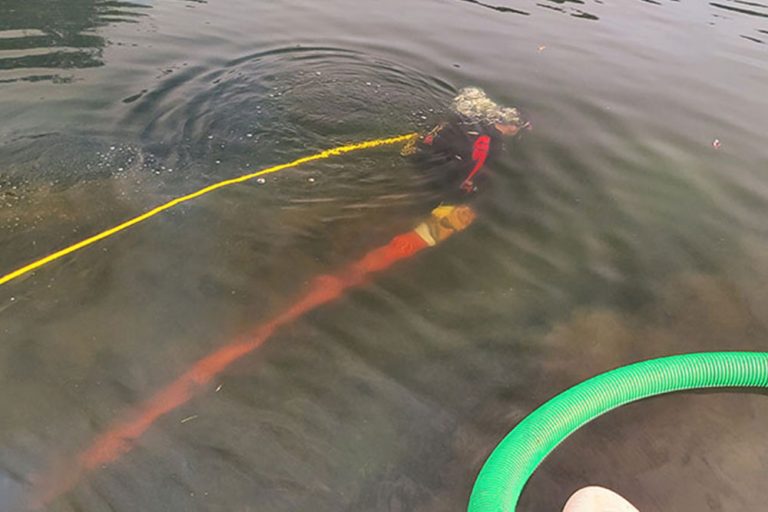
Using environmentally friendly methods such as diver-assisted suction harvesting, hydro-raking, and mechanical control allows us to limit chemical use that can harm fish, plants, and overall water quality. These strategies minimize disruption to the ecosystem while effectively controlling cattail growth.
Our goal is to restore your pond in a way that supports wildlife, improves recreation, and sustains a balanced aquatic environment over time.
Benefits of Cattail Removal
Proper cattail removal offers benefits that extend well beyond aesthetics. Clearing these dense plants reclaims open water for recreational activities such as boating, swimming, or fishing, and improves water flow throughout the pond. Healthy water circulation and increased oxygen levels create a more balanced habitat for fish, amphibians, and other aquatic life.
Reducing cattail density also slows sediment accumulation, which prevents the pond from becoming shallow or marshy too quickly. For property owners, this translates to a visually appealing, functional water feature that supports aquatic biodiversity and remains easier to manage.
Thoughtful cattail management transforms a pond from a potentially overgrown and frustrating space into a sustainable, enjoyable ecosystem for both wildlife and people.
Why Work With New England Aquatic Services
With more than 15 years of experience in lake and pond management, we understand how to handle cattail removal with precision and care. We apply scientifically based techniques and environmentally responsible practices to achieve results you can trust.
Our commitment to long-term relationships means we don’t just clear your pond once. We design a comprehensive management plan that supports lasting pond health, balances the ecosystem, and prevents future overgrowth. Our team works closely with property owners to assess pond conditions, recommend customized solutions, and monitor progress over time. If you’re ready to tackle cattail growth and restore balance to your pond, contact us today. Our team at New England Aquatic Services is here to help you reclaim your water and enjoy a healthier ecosystem.